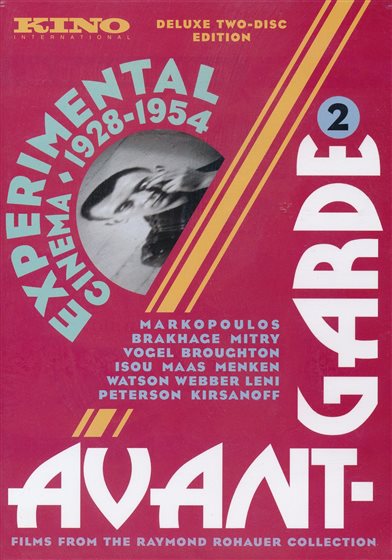
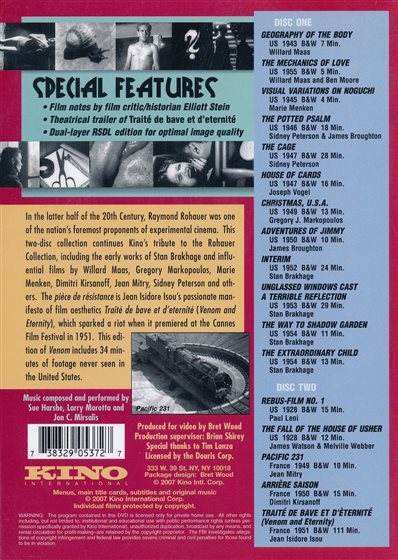
Arrière Saison (1950)
Short/Drama · 0h 15m


Description
Arrière Saison is an extremely moving and elliptical film based on a relatively simple narrative. In an isolated spot in rural France, a woodcutter and his wife have been living for some time. Unable to stand the solitude and tedium any longer, she prepares a last meal for her husband, packs her bags and leaves him a note informing him that she is going to stay with her sister. He returns, finds the note, goes out to work the next day and comes back lo find that she has returned, prepared dinner and is waiting for him. The film is understated, somewhat Bressonian, and a joy to watch thanks to Costey's superbly subtle black and white cinematography. The entire soundtrack consists of music, with the exception of a few seconds when the woman returns: as she reaches the door, the music stops and shouts of the woodcutters are heard in the background. It is a somber, subtle, plaintive and thoroughly satisfying short film, proof that Kirsanoff's great talent, which had first manifested itself in the 1920s, had not diminished a quarter of a century later.
Release Country
United StatesMedia Type
MovieStudio
Films KirsanoffAspect Ratio
1.33:1Discs

Avant-Garde 2: Experimental Cinema 1928-1954


