Big Trouble (1986)
Comedy · 1h 33m · 7/22/2003


Description
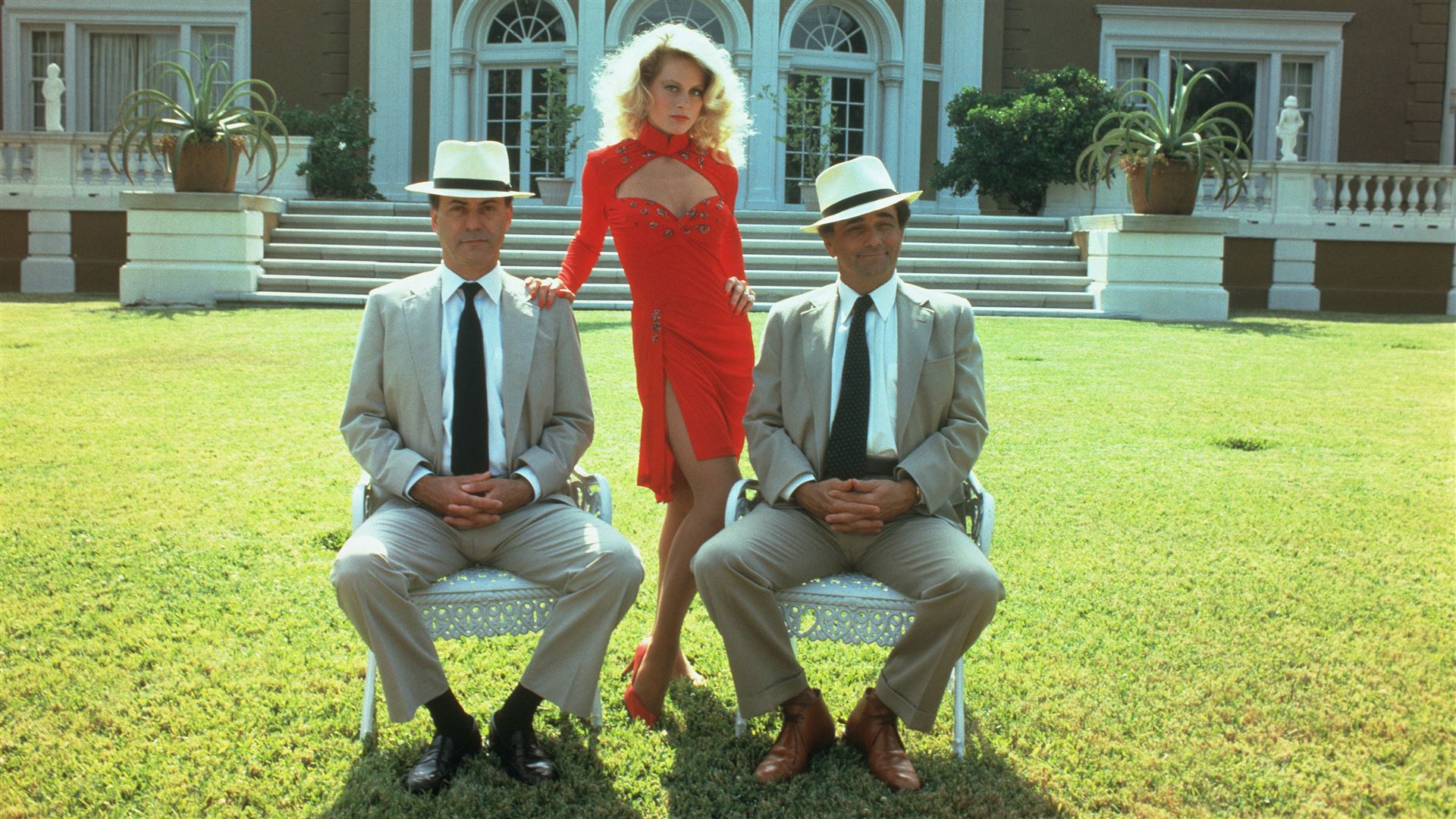
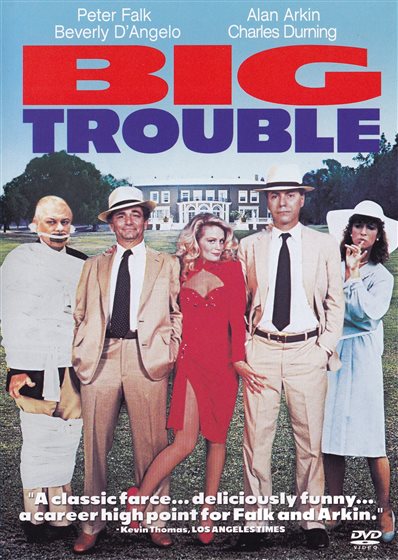
At first glance, Big Trouble seems to be an uneven ode to Billy Wilder's Double Indemnity (1944). As in Wilder's film, a femme fatale, Blanche Rickey (Beverly D'Angelo), convinces an insurance salesman, Leonard Hoffman (Alan Arkin), to murder her husband, Steve (Peter Falk), in order to collect a $5 million insurance policy. But a sharp insurance fraud investigator, O'Mara (Charles Durning), thwarts their plans, while Hoffman learns that Steve was never actually killed. And in this plot turn, Big Trouble initiates a theme that runs through all of Cassavetes' work, that is, his interest in ruinous deceptions and failed relationships. Typically, Cassavetes provides complex characters, whom we never entirely like, and refuses to explain fully their motivations. Big Trouble, however, is only concerned with investigating the basic deception. The intimate reality that lies beneath this scheming remains unseen. Much of the film's humor comes from its parodies of stereotypes. Devious Blanche is surely out of place in the 1980s 'burbs, and as such, she embodies male anxieties about female fidelity and love. Both Leonard and Steve fall prey to her, unable to tell whether her seductions are genuine, or if there is anything genuine about her at all. Steve, in turn, is a parody of conventional masculinity. Dressed in jungle fatigues and hat, posed in pictures with rifles and slain animals, he is a Hemingway character come to life 50 years too late. In one of the film's most hilarious scenes, Steve offers hen-pecked Leonard a potent Norwegian liqueur, calling it "really a man's drink." Leonard takes a large sip, then, unwilling to admit that he can't handle it, nods approval as his gag reflex forces him to rid his mouth. Steve offers him another drink that might suit him more. But Leonard insists, in a gruff voice, "This was fine. This was plenty."

Release Country
United StatesBarcode
043396103627Release Date
7/22/2003Media Type
MovieAspect Ratio
1.85:1Discs


Peter Falk
Steve Rickey
Alan Arkin
Leonard Hoffman
Beverly D'Angelo
Blanche Rickey
Charles Durning
O'Mara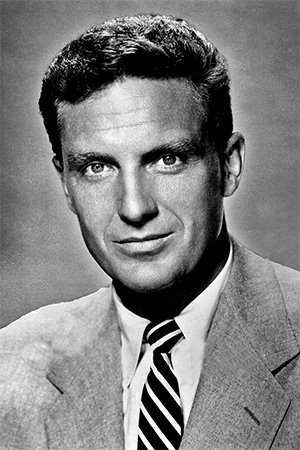
Robert Stack
Winslow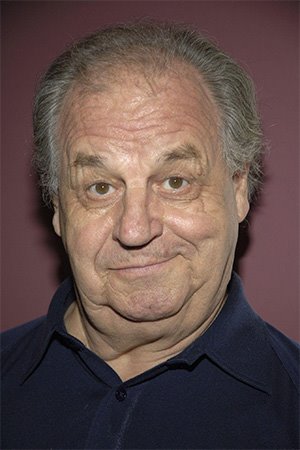
Paul Dooley
Noozel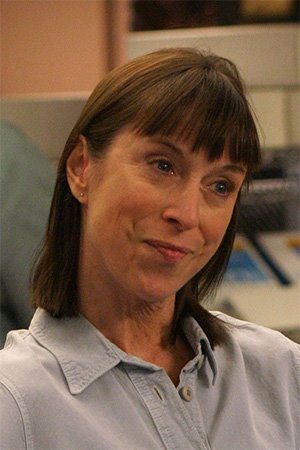
Valerie Curtin
Arlene Hoffman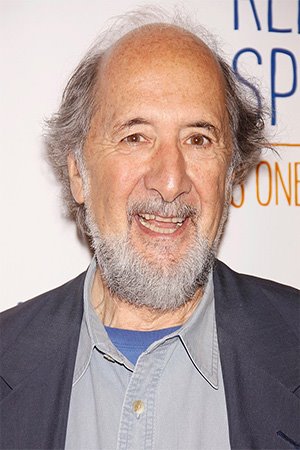
Richard Libertini
Dr. Lopez
Steve Alterman
Peter Hoffman
Jerry Pavlon
Michael Hoffman
Paul La Greca
Joshua Hoffman
John Finnegan
Det. Murphy
Karl Lukas
Police captain
Maryedith Burrell
Gail
Edith Fields
Doris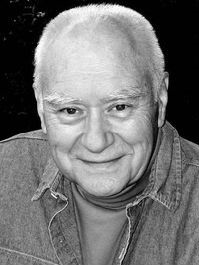
Warren Munson
Jack
Rosemarie Stack
Mrs. Winslow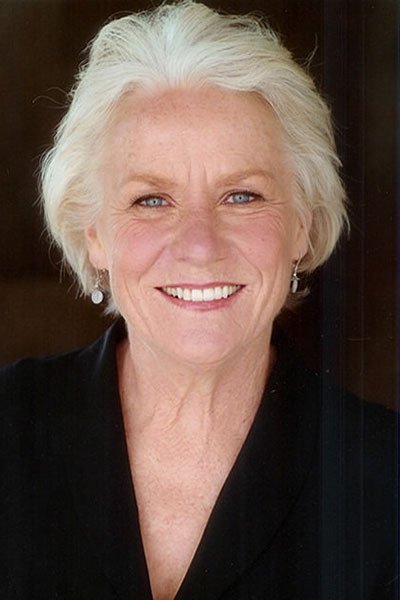
Barbara Tarbuck
Helen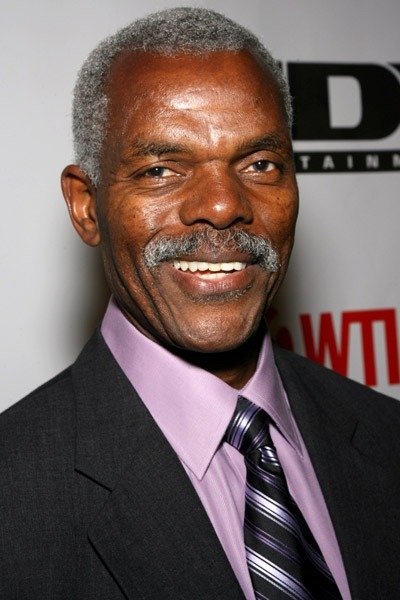
Al White
Mr. Williams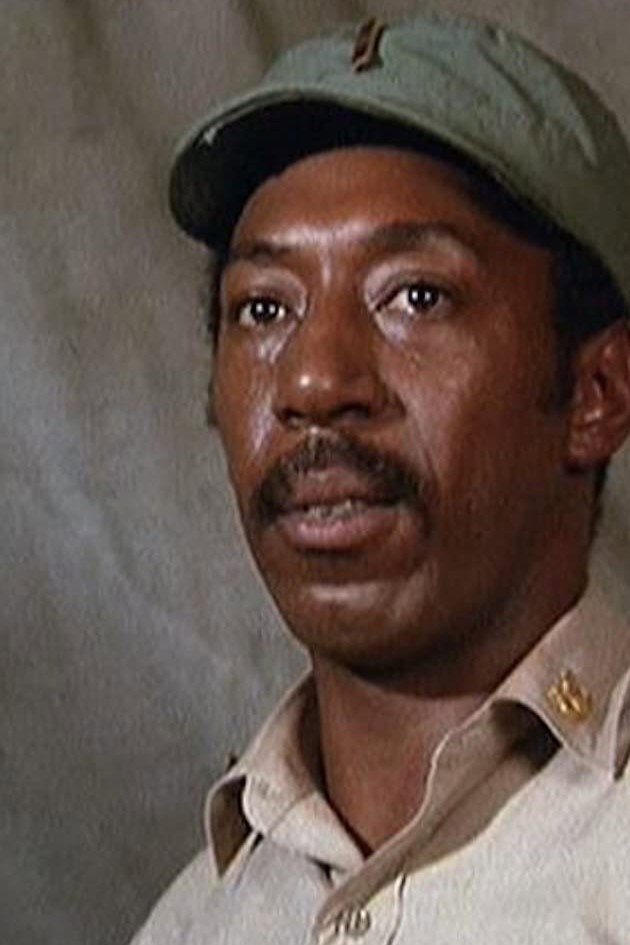
Teddy Wilson
Porter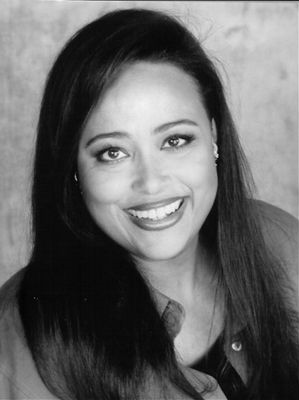
Gloria Gifford
Wanda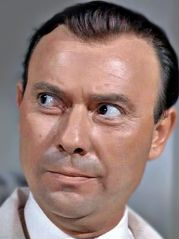
Herb Armstrong
Night security guard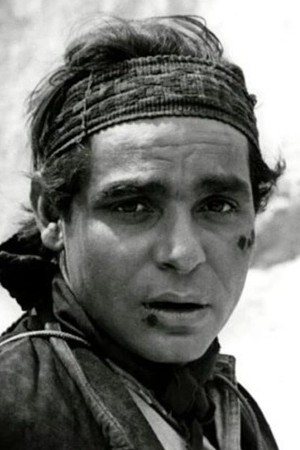
Jaime Sánchez
Chief terrorist
Gaetano Lisi
Gaetano Lopez
Chester Grimes
Flavio LopezIrene Olga López
Lopez' receptionistDaphne Eckler
ReceptionistCarol Reinhard
Winslow's secretary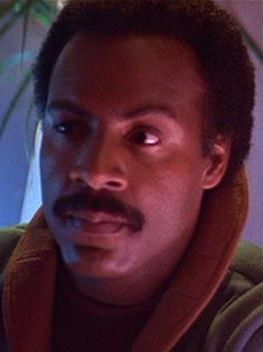
Conroy Gedeon
Reporter
Leonard P. Geer
Whitlow Kepler (as Lenny Geer)Melvin Jones
Terrorist #1
Luis Contreras
Terrorist #2John M. Kochian Jr.
Terrorist #3
Domingo Ambriz
Terrorist #4John Bianchini
Terrorist #5Nafa Rasho
Terrorist #6Roger Ito
Terrorist #7Perry Fluker
Terrorist #8Lynn Ready
Terrorist #9Steven Lambert
Terrorist #10Yukio G. Collins
Terrorist #11Howard Clapp
Executive #1
Jeff Howard
Executive #2Leland Sun
Chinese laborer #1
Al Leong
Chinese laborer #2 (as Albert Leong)Danny Lew
Chinese laborer #3
Michaelani
Chinese laborer #4Dennis Phun
Chinese laborer #5
Walter Soo Hoo
Chinese laborer #6Richard Walter
Hot dog eater
Joseph G. Medalis
Salesman
Michael Santiago
Cop (uncredited)
John Cassavetes
Director
Midnight Run
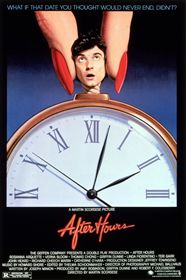
After Hours
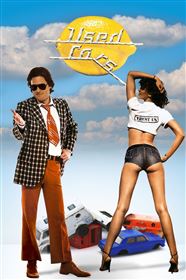
Used Cars
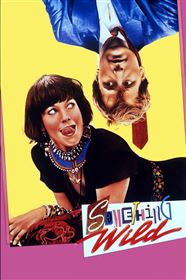
Something Wild
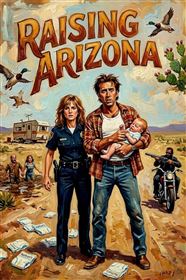
Raising Arizona
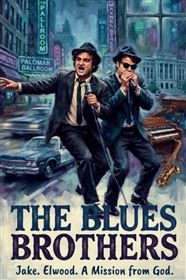
The Blues Brothers
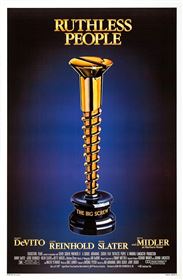
Ruthless People
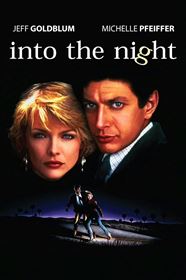
Into the Night
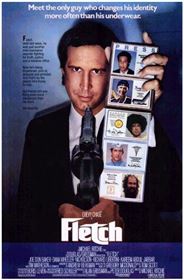
Fletch
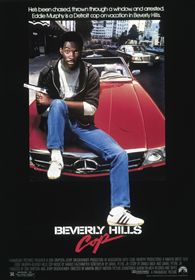
Beverly Hills Cop
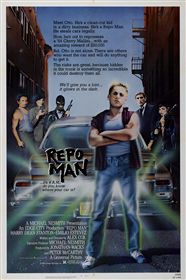
Repo Man
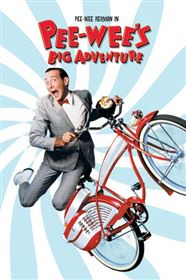
Pee-wee's Big Adventure
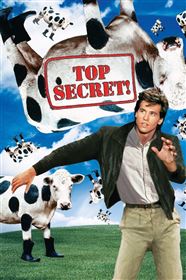
Top Secret!

Airplane!
A Fish Called Wanda
Inherent Vice
Burn After Reading
The Nice Guys
Kiss Kiss Bang Bang
Sneakers
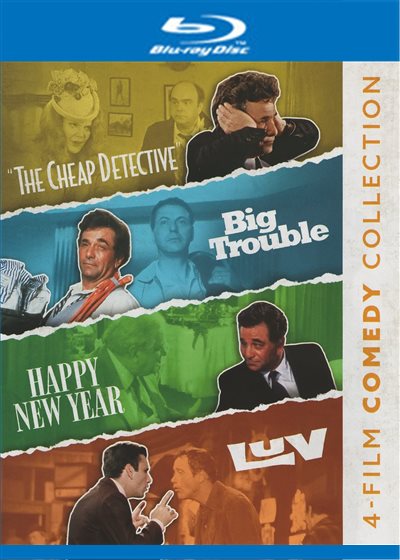
Big Trouble
(Blu-ray, Keep Case (HD Slim, Low))
1/31/2023