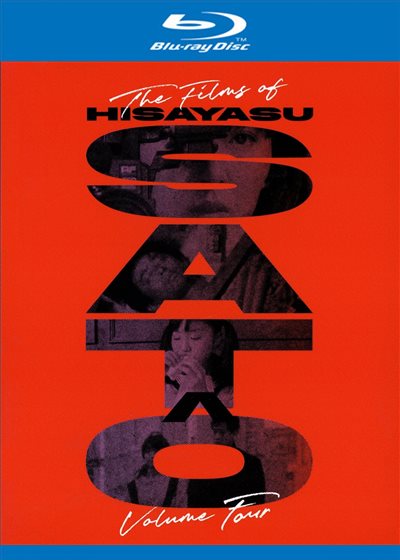
Save the Last Dance for Me (1988)
Drama · 1h 0m · 7/28/2026


Description
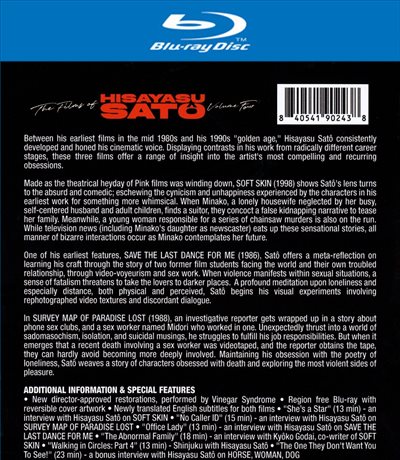
Between his earliest films in the mid 1980s and his 1990s "golden age," Hisayasu Satô consistently developed and honed his cinematic voice. Displaying contrasts in his work from radically different career stages, these three films offer a range of insight into the artist's most compelling and recurring obsessions. One of his earliest features, SAVE THE LAST DANCE FOR ME (1986), Satô offers a meta-reflection on learning his craft through the story of two former film students facing the world and their own troubled relationship, through video-voyeurism and sex work. When violence manifests within sexual situations, a sense of fatalism threatens to take the lovers to darker places. A profound meditation upon loneliness and especially distance, both physical and perceived, Satô begins his visual experiments involving rephotographed video textures and discordant dialogue.
Release Country
United StatesRelease Date
7/28/2026Media Type
MovieAudio
 |
Japanese | PCM |  |
Digital Copy
Not IncludedStudio
MelusineSubtitles
 English
Video Format
1080iAspect Ratio
1.85:1Cover Type
Keep Case (Std.) , Slip CoverDiscs


The Films of Hisayasu Satô: Volume Four

Mayumi Inoue
CastNarutoshi Ishikawa
CastKiyomi Itô
Cast
Ai Kobayashi
CastKiichirô Mutô
CastShôichirô Sakata
CastBunmei Tobayama
Cast
Hisayasu Satō
DirectorShirô Yumeno
Writer
New Apartment Wife: Afternoon Beast

Stray Cat Rock: Sex Hunter

Working Girl

Scandal
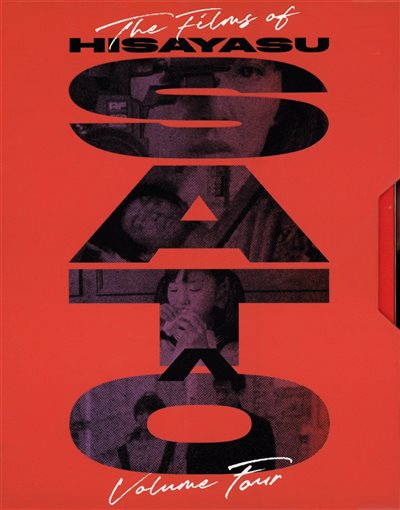
Save the Last Dance for Me
(Blu-ray, Box)
7/28/2026


