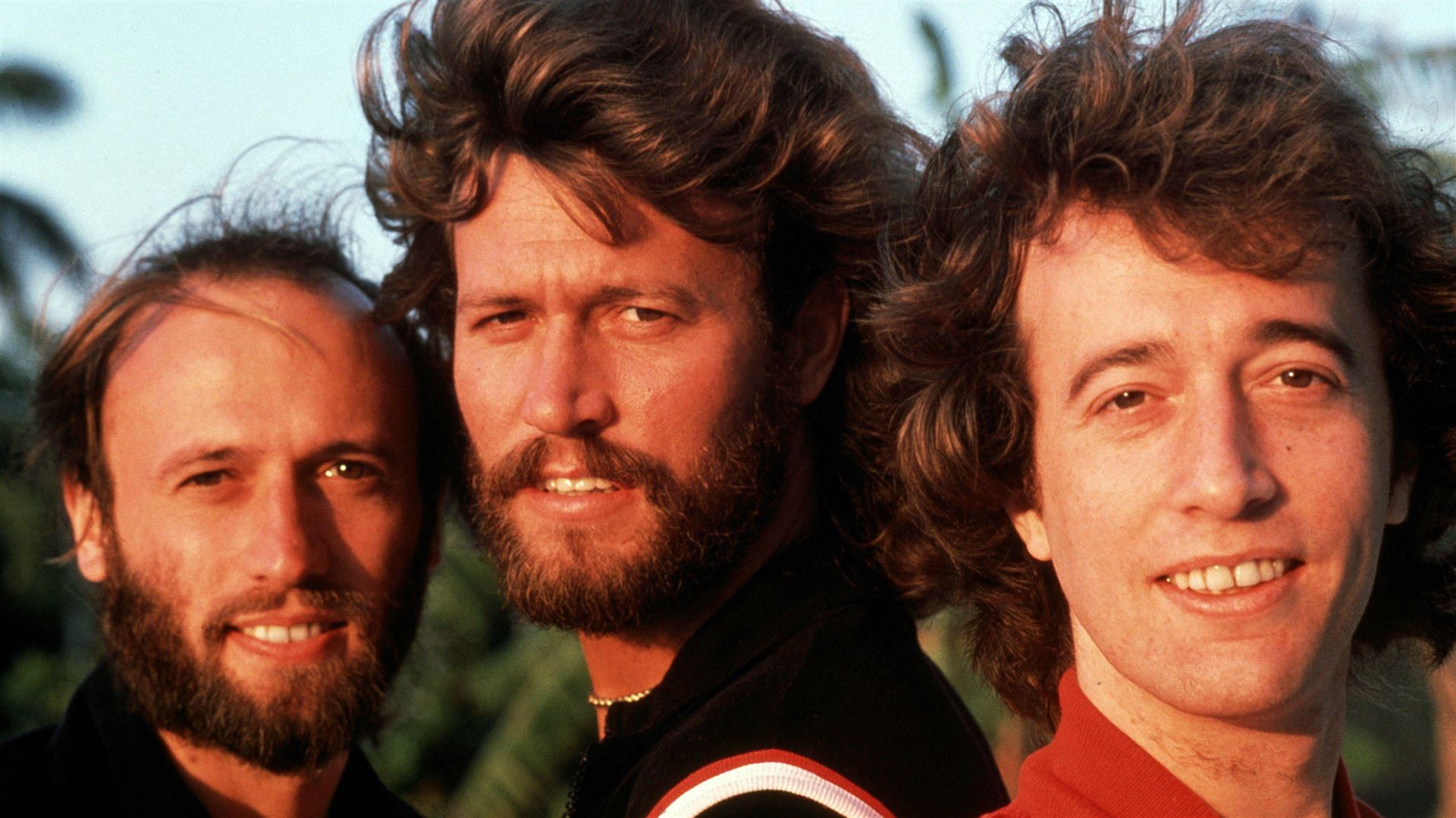
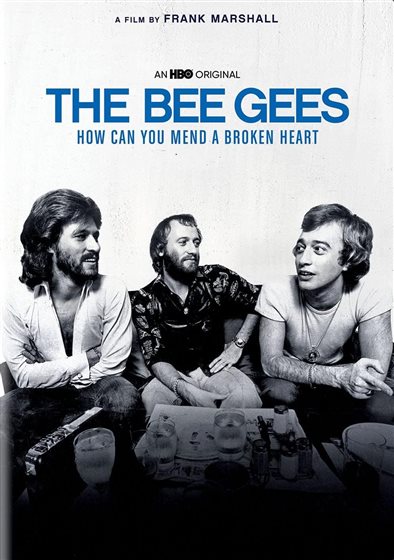
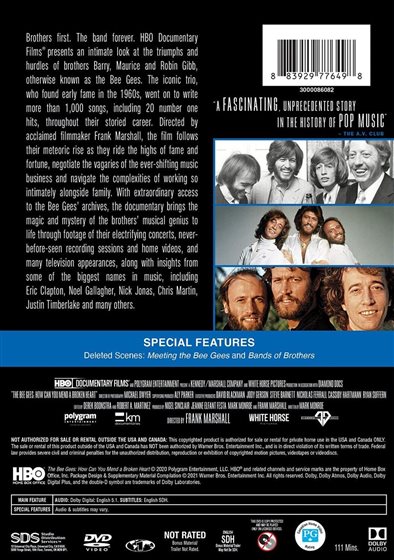
The Bee Gees: How Can You Mend a Broken Heart (2020)
Documentary · 2h 7m · 11/16/2021


Description
The Bee Gees: How Can You Mend a Broken Heart is a 2020 documentary film about the Bee Gees, an English-Australian pop music group who achieved worldwide fame in the late 1960s and early 1970s. The film was directed by Frank Marshall and produced by Brian Grazer. It features interviews with the Bee Gees, their family and friends, and music critics. The film chronicles the group's rise to fame, their personal struggles, and their lasting legacy. The film begins with the Bee Gees' early days in Australia, where they were born and raised. The brothers Gibb were musically gifted from a young age, and they began performing together as a group in the 1950s. In 1967, they moved to England and signed with Polydor Records. Their first album, Bee Gees 1st, was released in 1967 and was a commercial success. The Bee Gees' second album, Horizontal, was released in 1968 and was also a success. However, it was their third album, Idea, that truly put them on the map. The album featured the hit singles "Massachusetts" and "Words". In 1969, the Bee Gees released their fourth album, Odessa. The album was a critical and commercial success, and it spawned the hit singles "I Started a Joke" and "Clap Hands, Clap Hands". The Bee Gees' fifth album, Trafalgar, was released in 1970. The album was another commercial success, and it featured the hit singles "To Love Somebody" and "Lonely Days". In 1971, the Bee Gees released their sixth album, Bee Gees' 1st. The album was a commercial success, and it featured the hit singles "How Can You Mend a Broken Heart" and "Don't Forget to Remember". The Bee Gees' seventh album, Saturday Night Fever, was released in 1977. The album was a commercial and critical success, and it spawned the hit singles "Stayin' Alive" and "Night Fever". The Bee Gees' eighth album, Spirits Having Flown, was released in 1979. The album was a commercial and critical success, and it spawned the hit singles "Too Much Heaven" and "Love You Inside Out". The Bee Gees' ninth album, One, was released in 1981. The album was a commercial and critical success, and it spawned the hit singles "You Win Again" and "Desire". The Bee Gees' tenth album, Living Eyes, was released in 1983. The album was a commercial and critical failure, and it marked the end of the Bee Gees' commercial success. The Bee Gees' eleventh album, E.S.P., was released in 1987. The album was a commercial and critical failure, and it marked the end of the Bee Gees' career as a recording act. The Bee Gees' twelfth and final album, Still Waters, was released in 1997. The album was a commercial and critical success, and it spawned the hit singles "Alone" and "I Still Love You". The Bee Gees were inducted into the Rock and Roll Hall of Fame in 1997. They have sold over 220 million albums worldwide, making them one of the best-selling music groups of all time.

Release Country
United StatesBarcode
883929776498Release Date
11/16/2021Media Type
DocumentaryAudio
 |
English | |
| ||
 |
French | |
| ||
|
English | |
 |
Digital Copy
Not IncludedStudio
Universal Pictures UKSubtitles
English
FrenchVideo Format
PALAspect Ratio
1.78:1Cover Type
Keep Case (Std.)Discs

Streaming Rank Today
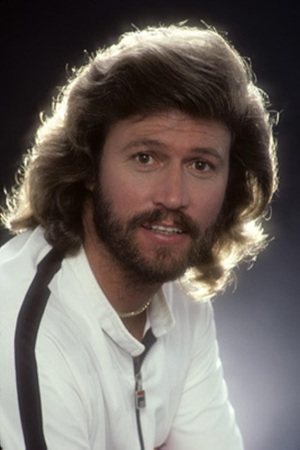
Barry Gibb
Self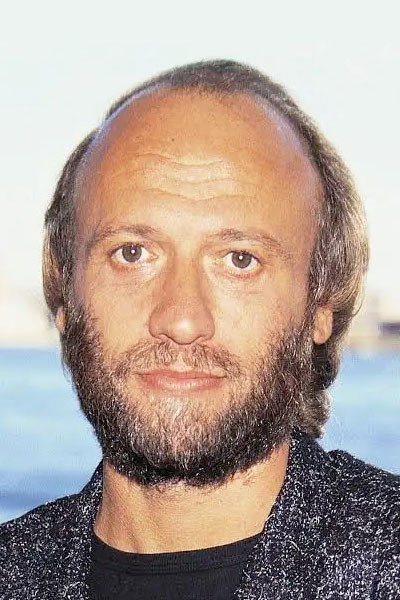
Maurice Gibb
Self (archive footage)
Robin Gibb
Self (archive footage)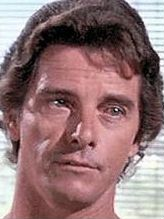
Peter Brown
Self - NEMS Management Team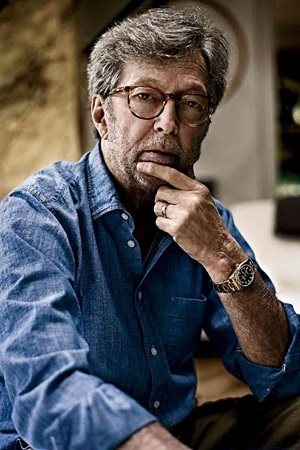
Eric Clapton
Self - Musician / Singer-Songwriter
Vince Melouney
Self - Bee Gees' Guitarist 1967-1969
Mark Ronson
Self - Producer / Musician / SongwriterNoel Gallagher
Self - Noel Gallagher's High Flying Birds / OasisMykael S. Riley
Self - Musician / Singer-Songwriter - Steel Pulse, Music Producer - Westminster School of Arts
Lulu
Self - Musician / Singer-Songwriter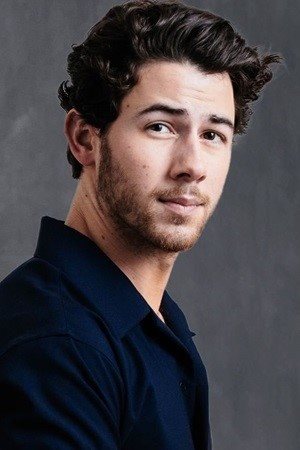
Nick Jonas
Self - Actor / Musician / Singer-Songwriter, Jonas Brothers
Alan Kendall
Self - Bee Gees' Guitarist 1971-1980 & 1989-2001Yvonne Gibb
Self - Maurice's WidowBill Oakes
Self - Former CEO, RSO RecordsDennis Byron
Self - Bee Gees' Drummer 1974 - 1979Blue Weaver
Self - Bee Gees' Keyboardist 1975 - 1979Karl Richardson
Self - Studio Engineer - Criteria Studios
Chris Martin
Self - Musician / Singer-Songwriter - ColdplayAlbhy Galuten
Self - Musician / Record Producer
Justin Timberlake
Self - Actor / Musician / Singer-SongwriterNicky Siano
Self - DJ - The Gallery / Studio 54
Charley Steiner
Self - Radio DJ - WXLO 99XVince Lawrence
Self - House Music ProducerDwina Murphy-Gibb
Self - Robin's Widow (as Dwina Gibb)
The Beatles
Themselves (archive footage)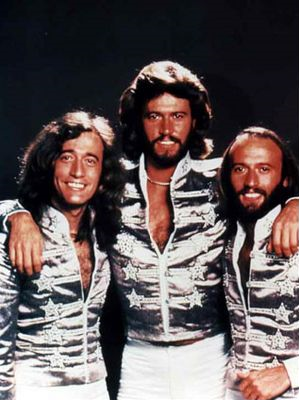
The Bee Gees
Themselves (archive footage)The Mills Brothers
Themselves (archive footage)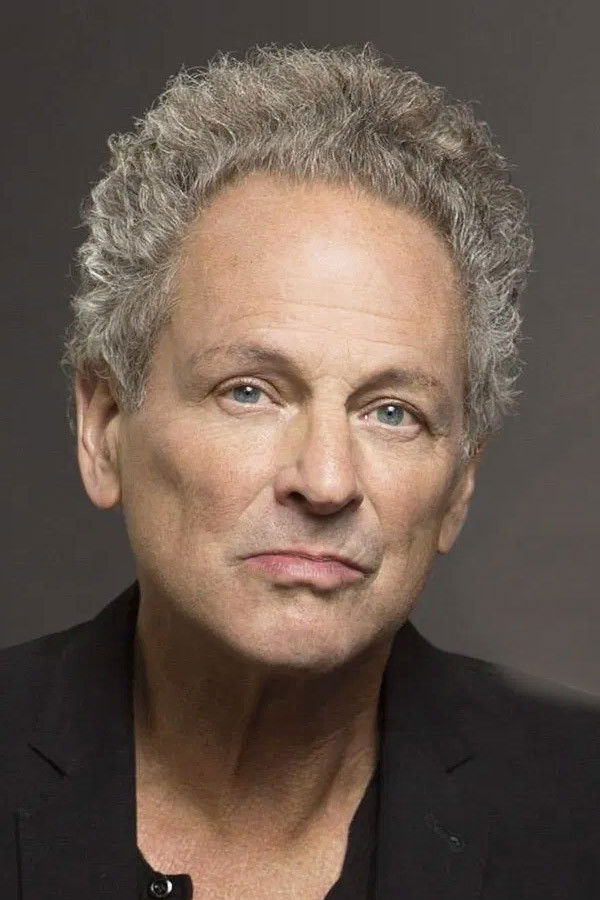
Lindsey Buckingham
Self - Fleetwood Mac (archive footage)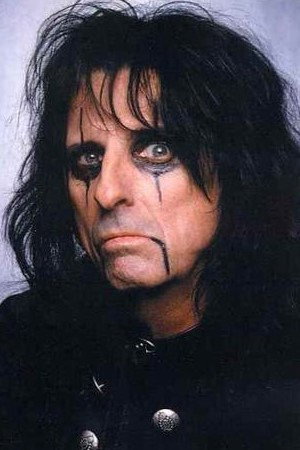
Alice Cooper
SelfCream
Themselves (archive footage)
Steve Dahl
Self - Radio DJ - 97.9 The Loop (archive footage)
Céline Dion
Self (archive footage)Brian Epstein
Self - Manager of The Beatles (archive footage)Ahmet Ertegun
Self - Atlantic Records Co-Founder (archive footage)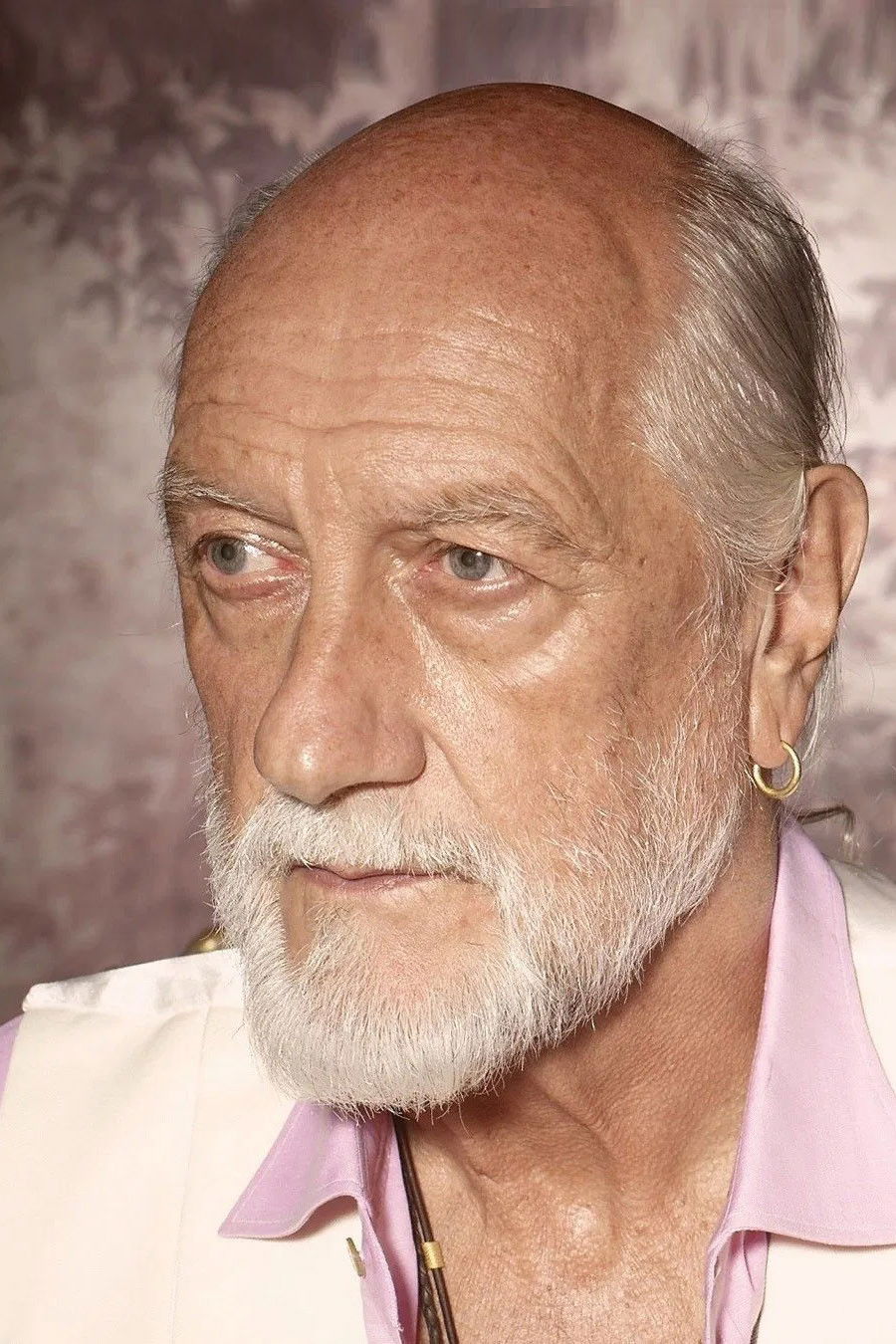
Mick Fleetwood
Self - Fleetwood Mac (archive footage)
David Frost
Self (archive footage)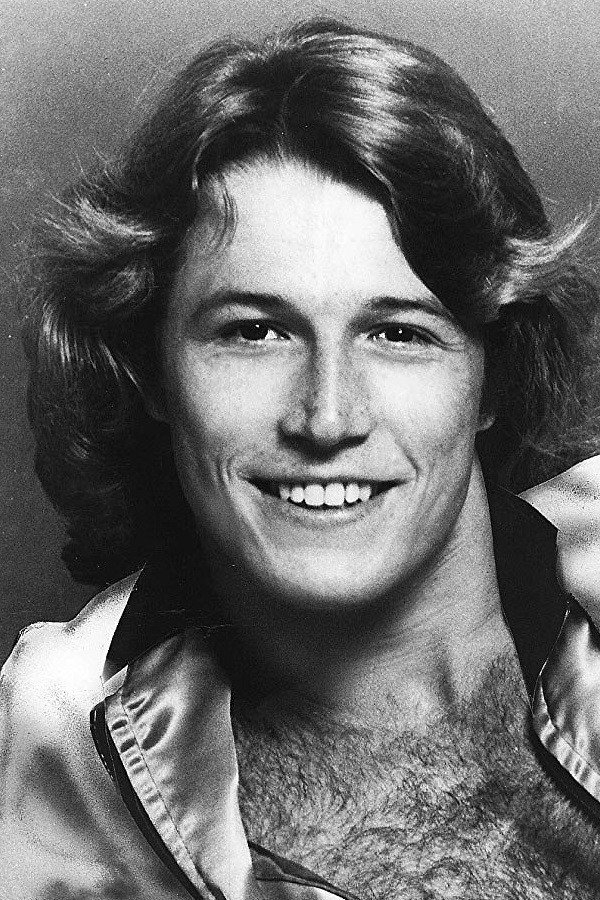
Andy Gibb
Self - Youngest Brother (archive footage)Barbara Gibb
Self - Mother (archive footage)Hugh Gibb
Self - Father / Manager (archive footage)Linda Gibb
Self - Wife of Barry Gibb (voice) (archive footage)
Merv Griffin
Self (archive footage)
Bob Harris
Self - Host - Old Grey Whistle Test (archive footage) (as 'Whispering Bob' Harris)
Casey Kasem
Self (voice) (archive footage)Arif Mardin
Self - Staff Recording Producer, Atlantic Records (archive footage)Colin Petersen
Self - Bee Gees' Drummer 1967 - 1969 (archive footage)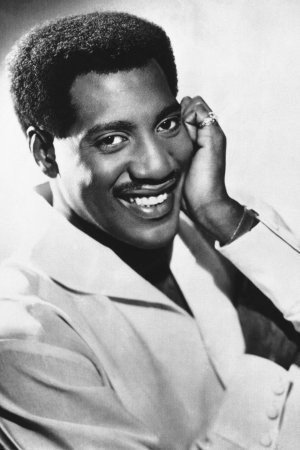
Otis Redding
Self (archive footage)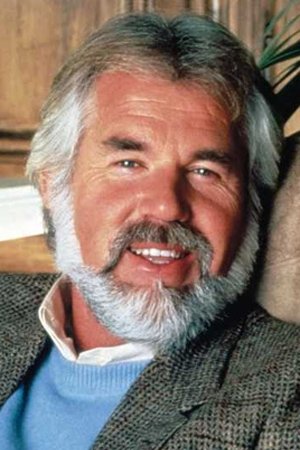
Kenny Rogers
Self (archive footage)
Diana Ross
Self (archive footage)
Ed Sheeran
Self (archive footage)
Tom Snyder
Self (archive footage)
Robert Stigwood
Self - NEMS General Manager 1967-1968 (archive footage)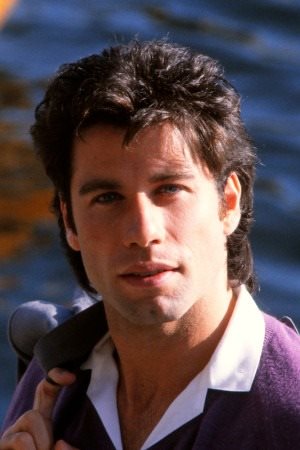
John Travolta
Self (archive footage)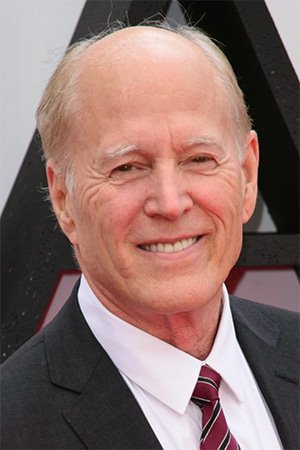
Frank Marshall
DirectorMark Monroe
Writer
Searching For Sugar Man

Raw: The Amy Winehouse Story

20 Feet from Stardom
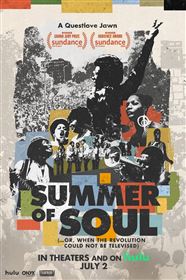
Summer of Soul (...Or, When the Revolution Could Not Be Televised)
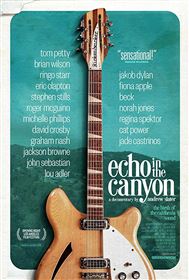
Echo In the Canyon

Janis: Little Girl Blue

What Happened, Miss Simone?
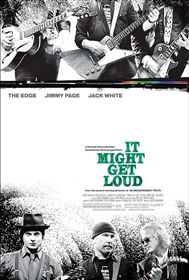
It Might Get Loud
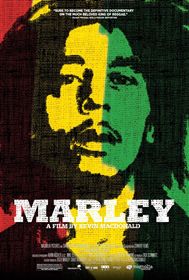
Marley
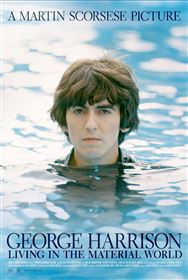
George Harrison: Living in the Material World
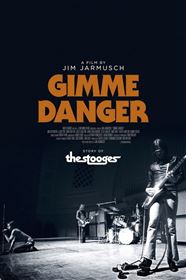
Gimme Danger
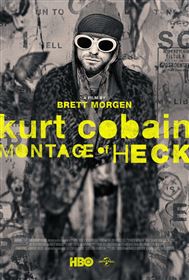
Cobain: Montage of Heck
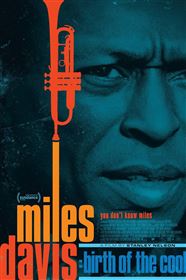
Miles Davis: Birth of the Cool
Supersonic
The Beatles: Eight Days a Week - The Touring Years
Straight Outta Compton
Rocketman
Bohemian Rhapsody
Amazing Grace
Hired Gun: Out of the Shadows, Into the Spotlight.
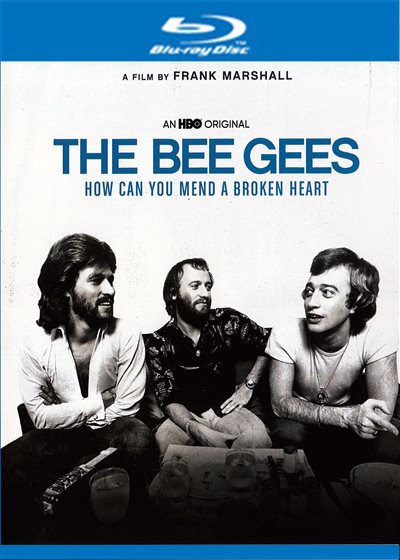
The Bee Gees: How Can You Mend a Broken Heart
(Blu-ray, Keep Case (HD Slim, Low))
11/17/2021