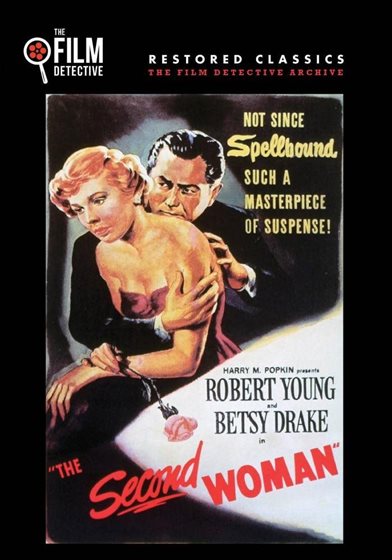
The Second Woman (1950)
Mystery/Drama/Film-Noir/Romance · 1h 31m · 9/16/2015


Description
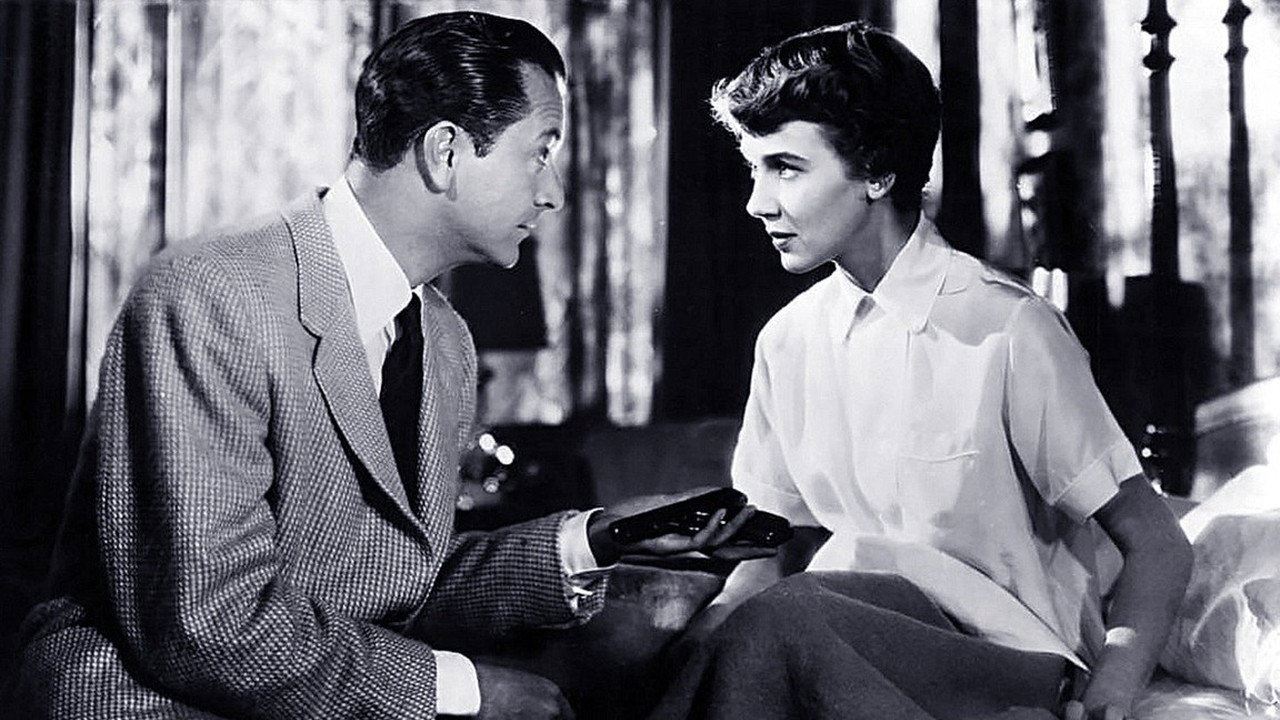
The Second Woman is a 1950 black-and-white mystery-suspense film directed by James V. Kern and featuring Robert Young, Betsy Drake, John Sutton and Florence Bates[1] Sequences of the film were shot on the coastal areas of Monterey, California. Ellen Foster visits her aunt on the California coast and meets neighbor Jeff Cohalan at his swinging cliff-top house. Ellen falls hard for Jeff, who is plagued by a series of accidents. Can she save the man she loves before sinister forces claim him? Plot This psychological thriller tells the story of Jeff Cohalan (Robert Young). He's a successful architect who is tormented by the fact that his fiancée was killed in a mysterious car accident on the night before their wedding. Blaming himself for her death, Colahan spends his time alone, lamenting in the state-of-the-art cliff-top home he'd designed for his bride-to-be. Cohalan also notices that ever since the accident, he seems to be followed by bad luck. His horse and dog turn up dead without explanation, leading him to wonder if he has been cursed. He meets a woman named Ellen (Betsy Drake), and they are immediately attracted to each other. She soon learns about Jeff's past and begins to suspect that Jeff may be much more in danger than he himself realizes. Reception Film critic Craig Butler had problems with the script. He wrote, "The Second Woman is an intriguing if frustrating little thriller -- frustrating because it verges on being very good but settles for being merely OK. Part of the problem is that Woman combines elements of various styles -- film noir, psychological drama, mystery, thriller, romance -- but doesn't meld them into a satisfying whole ... All in all, The Second Woman is a good attempt that is worth watching, even if it falls short of reaching its goals."[2] Film critic Dennis Schwartz was also disappointed, "Robert Young gives a subdued performance that is somewhat credible but not all that endearing. The film's ultimate villain is the real estate industry that is spoiling the natural beauty in its need to make lots of money. But the brooding melodrama, thought of by many as film noir, never seemed vibrant as a thriller."[3]
Release Country
United StatesBarcode
889290274519Release Date
9/16/2015Media Type
MovieVideo Format
NTSCDiscs

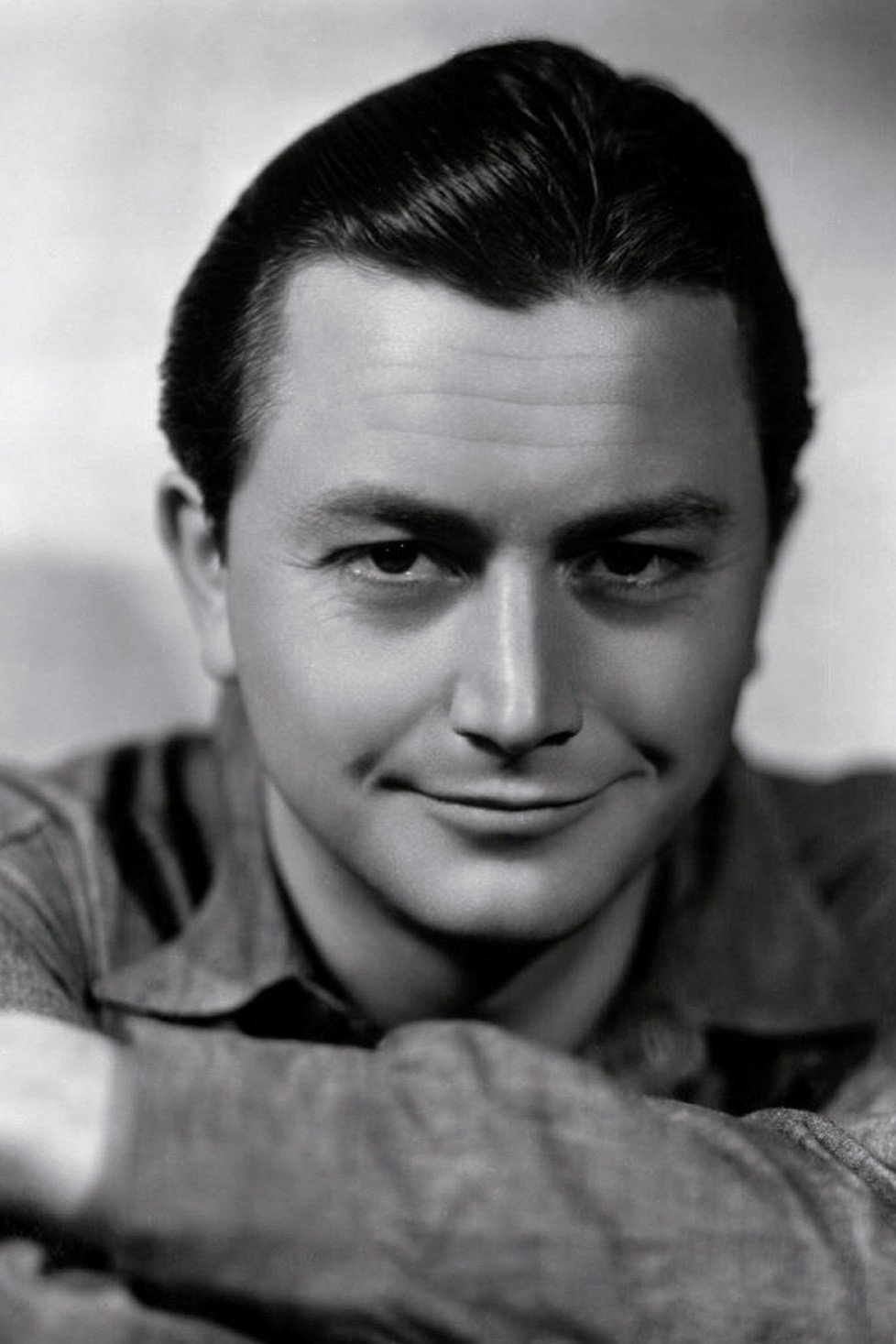
Robert Young
Jeff Cohalan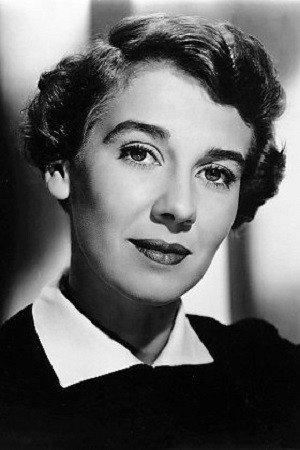
Betsy Drake
Ellen Foster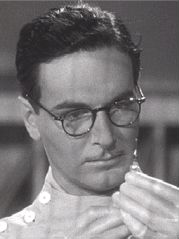
John Sutton
Keith Ferris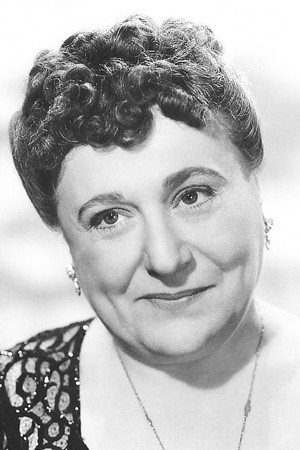
Florence Bates
Amelia Foster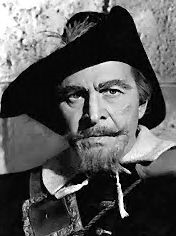
Morris Carnovsky
Dr. Raymond Hartley
Henry O'Neill
Ben Sheppard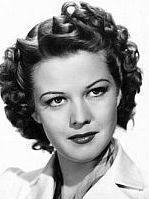
Jean Rogers
Dodo Ferris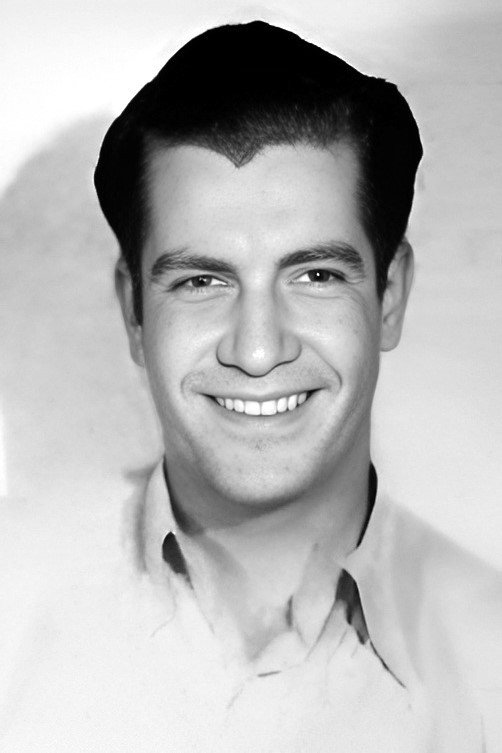
Raymond Largay
Maj. Badger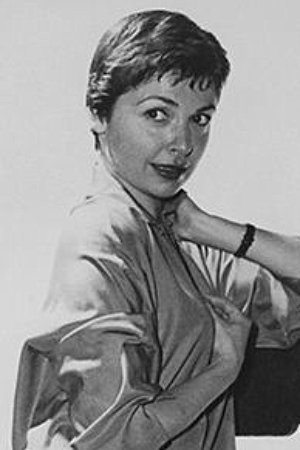
Shirley Ballard
Vivian Sheppard
Vicki Raaf
Sue, Sheppard's Secretary (as Vici Raaf)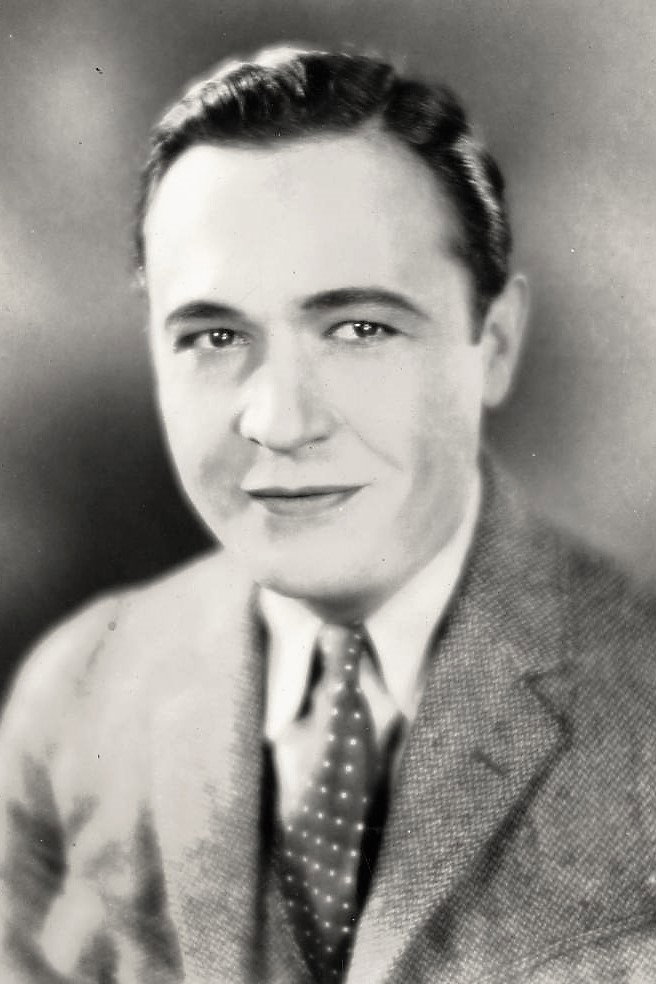
Jason Robards Sr.
Stacy Rogers (as Jason Robards)
Steven Geray
Balthazar Jones
Jimmie Dodd
Mr. Nelson (as Jimmy Dodd)Smoki Whitfield
Albert, Club Car Waiter (as Smokey Whitfield)Cliff Clark
Police Sergeant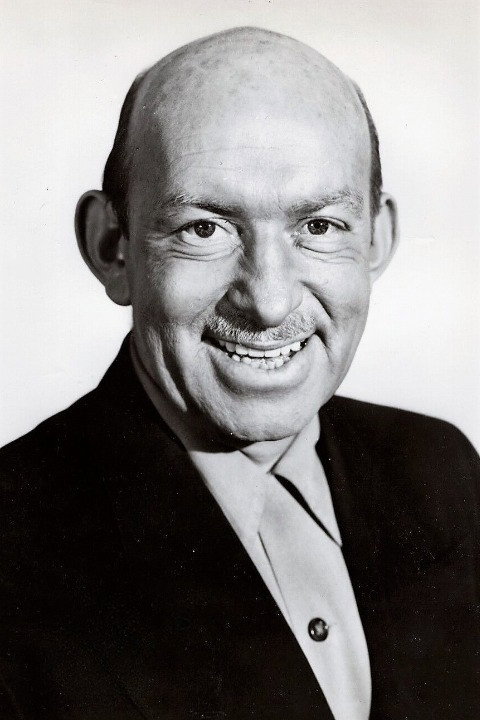
Vince Barnett
Giovanni Strobini (uncredited)Jack Chefe
Country Club Cook (uncredited)James Conaty
Country Club Patron (uncredited)
Franklyn Farnum
Country Club Patron (uncredited)
Bess Flowers
Country Club Patron (uncredited)Sherry Hall
Van Dyke School of Art (uncredited)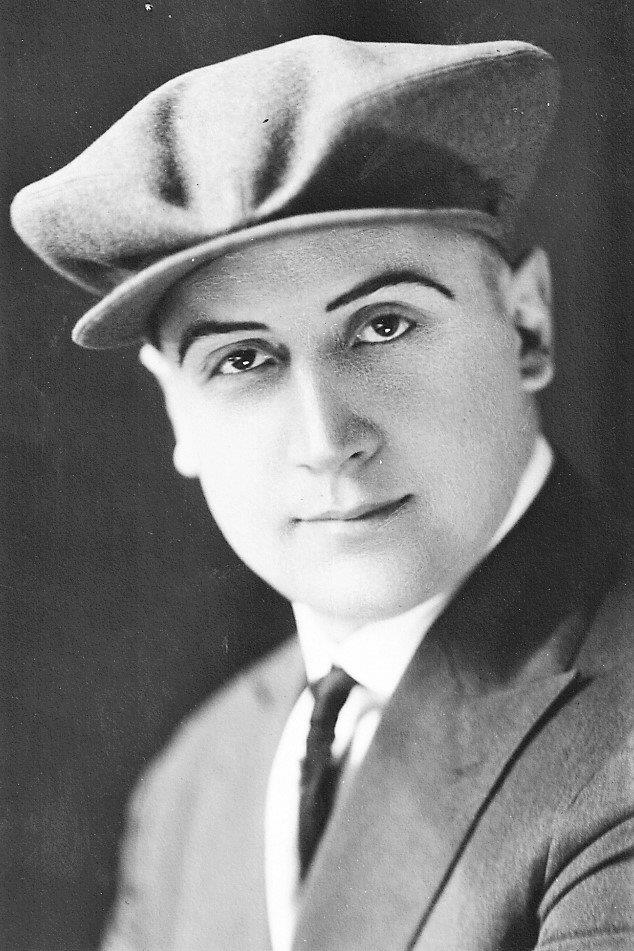
Harold Miller
Fiesta Guest (uncredited)Bert Stevens
Fiesta Guest (uncredited)
James V. Kern
DirectorMort Briskin
WriterRobert Smith
Writer
Rebecca
Suspicion

Gaslight

The Woman in the Window

Spellbound
The Strange Love of Martha Ivers
Gilda
Out of the Past

The Paradine Case
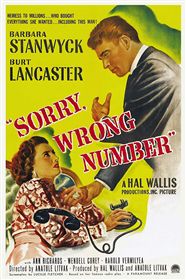
Sorry, Wrong Number
The Heiress
Caught
The File on Thelma Jordon
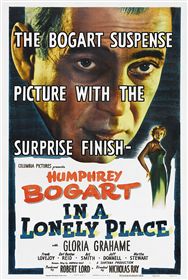
In a Lonely Place
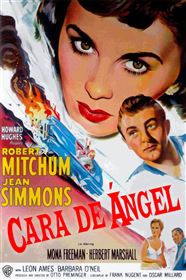
Angel Face
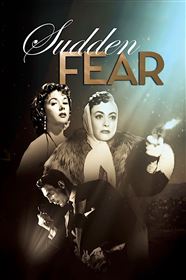
Sudden Fear
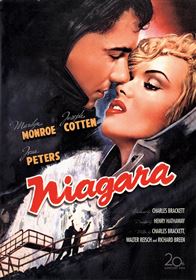
Niagara
The Big Heat
Dial M for Murder
Rear Window
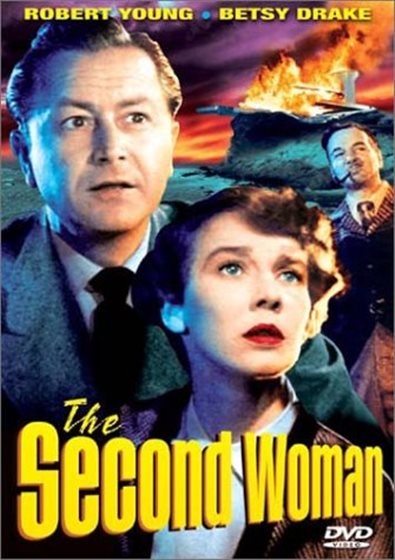
The Second Woman
(DVD)
4/15/2003
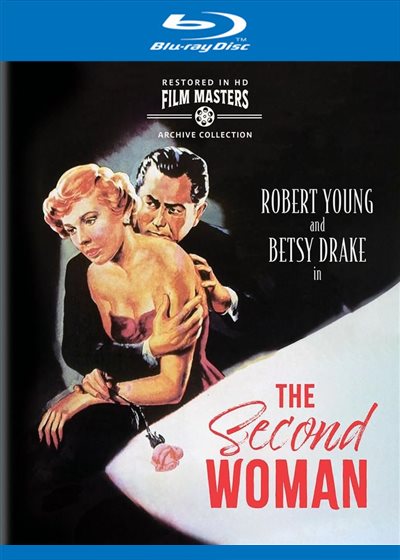
The Second Woman
(Blu-ray)
1/6/2026
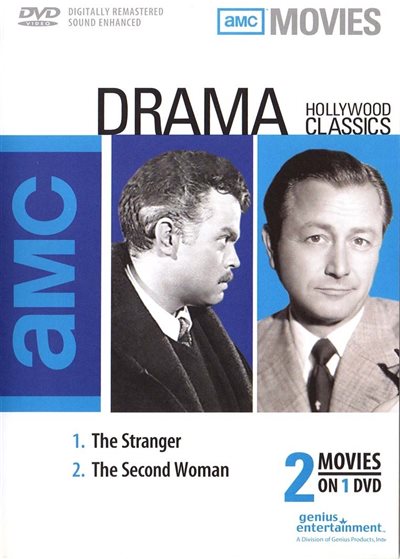
The Second Woman
(DVD)
12/22/2004
The Second Woman
(DVD)
2/7/2006
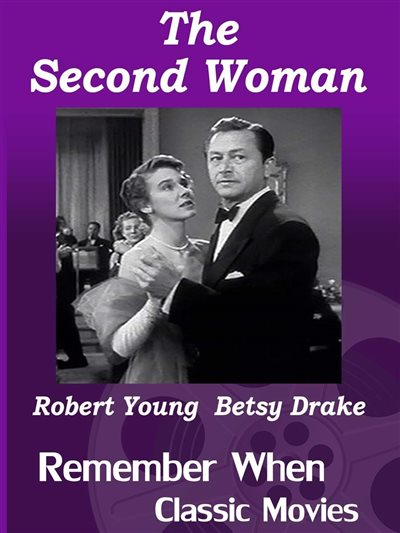
The Second Woman
(DVD)
1/11/2021
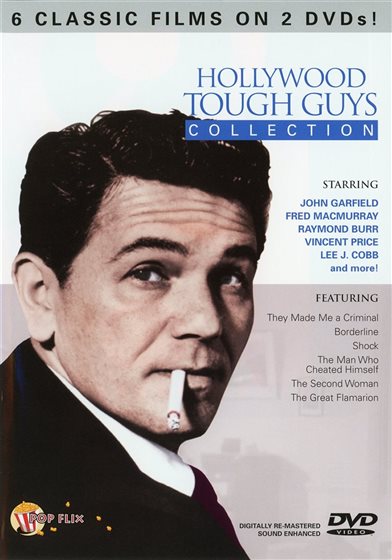
The Second Woman
(DVD, Keep Case (Std.))
9/8/2009