
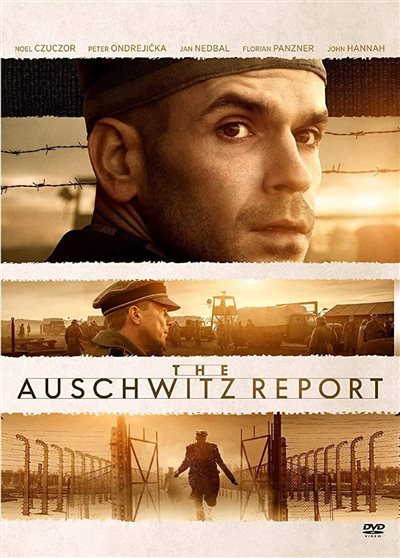
The Auschwitz Report (2021)
1h 34m · 12/14/2021


Description
In April 1942, two young Slovak Jews—Rudolf Vrba and Alfréd Wetzler—are deported to the Auschwitz-Birkenau concentration camp. For two years, they endure brutal conditions while secretly gathering detailed evidence of the atrocities committed by the Nazis: mass executions, gas chambers, and the systematic extermination of European Jews. On April 10, 1944, the pair successfully escape from the heavily guarded camp. Hiding for days in a makeshift shelter and navigating dangerous terrain, they eventually reach Slovakia with the help of locals and resistance members. Once safe, they compile a 32-page document detailing the horrors of Auschwitz, later known as the Vrba–Wetzler Report. Initially met with disbelief, their account eventually gains international attention, forming the basis of the Auschwitz Protocols. This critical report is credited with helping stop or delay further deportations of Hungarian Jews, ultimately saving thousands of lives.

Release Country
United StatesBarcode
850028052211Release Date
12/14/2021Media Type
MovieSubtitles
 English
Cover Type
Keep Case (Std.)Discs

Streaming Rank Today

Noel Czuczor
FreddyPeter Ondrejicka
Valér
John Hannah
Warren
Wojciech Mecwaldowski
KozlowskiJacek Beler
HersekMichal Rezný
MarcelKamil Nozynski
JuzekAleksander Mincer
Kaczmarek
Christoph Bach
Schwarzhuber
Ksawery Szlenkier
Adamek
Florian Panzner
Lausmann
Lars Rudolph
Kaduk
David Zimmerschied
Dr. ThiloOndrej Malý
OndrejMarta Matová
telegraphistJan Nedbal
Pavel
Peter Bebjak
DirectorPeter Bebjak
WriterTomás Bombík
WriterJozef Pastéka
WriterAlfred Wetzler
Writer
The Zookeeper's Wife

Anthropoid

The Boy in the Striped Pajamas

Resistance

Alone In Berlin

The Exception

Defiance

The Grey Zone
In Darkness

The Railway Man

1945

Land Of Mine

The Imitation Game

Sarah's Key

Lore

Diplomacy

Woman in Gold

The Book Thief

Phoenix

A Hidden Life