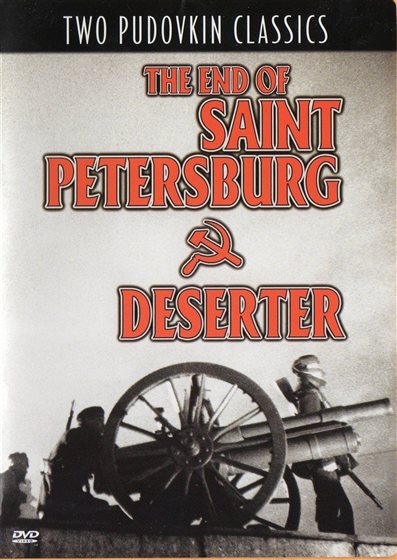
Deserter (1933)
Drama · 1h 46m · 10/15/2002


Description
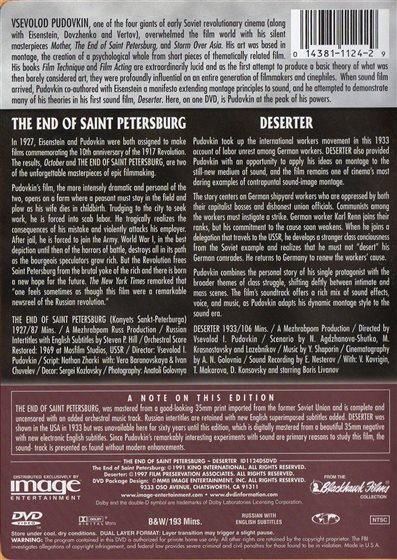
The Deserter: Pudovkin took up the international workers movement in this 1933 account of labor unrest among German workers. Deserter also provided Pudovkin with an opportunity to apply his ideas on montage to the still-new medium of sound, and the film remains one of the cinema's most daring examples of contrapuntal sound-image montage. The story centers on German shipyard workers who are oppressed by both their capitalist bosses and dishonest union officials. Communists among the workers must instigate a strike. German worker Karl Renn joins their ranks, but his commitment to the cause soon weakens. When he joins a delegation that travels to the USSR, he develops a stronger class conciousness from the Soviet example and realizes that he must not "desert" his German comrades. He returns to Germany to renew the workers' cause. Pudovkin combines the personal story of his single protagonist with the broader themes of class sturggle, shifting deftly between intimate and mass scenes. The film's soundtrack offers a rich mix of sound effects, voice, and music, as Pudovkin adopts his dynamic montage style to the sound era.
Release Country
United StatesRelease Date
10/15/2002Media Type
MovieAudio
 |
Russian | |
|
Studio
Garrison Films Inc./Mezhrabpomfilm/Image EntertainmentVideo Format
NTSCAspect Ratio
1.33:1Discs

The End of Saint Petersburg / Deserter
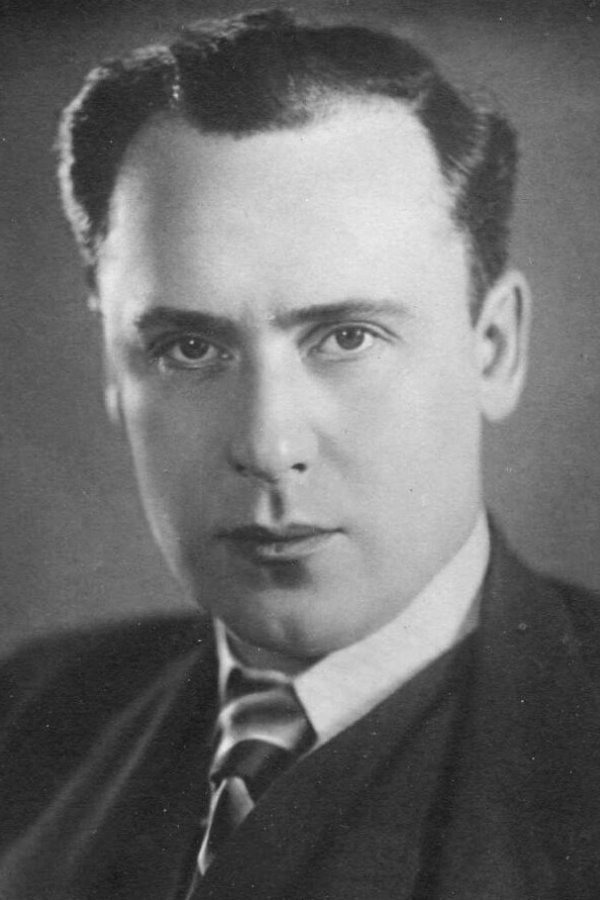
Boris Livanov
Karl Renn
Vasili Kovrigin
Ludwig Zelle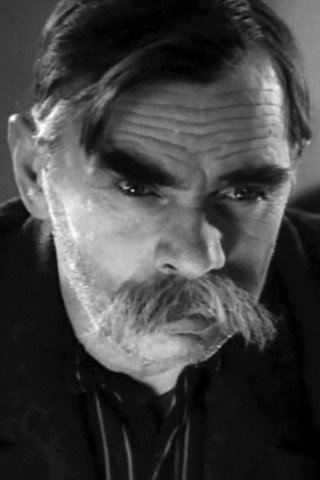
Aleksandr Chistyakov
(as A. Tsistyakov)
Tamara Makarova
Newsgirl for the 'Red Courier'Dmitri Konsovsky
(as D. Konsovsky)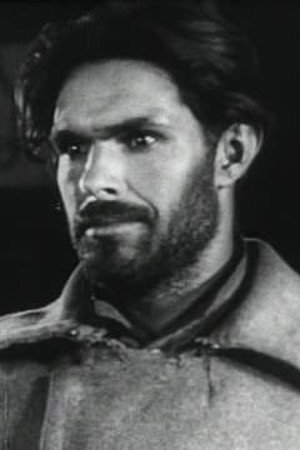
Semyon Svashenko
UnknownYudif Glizer
UnknownM. Oleshchenko
UnknownSergei Martinson
Unknown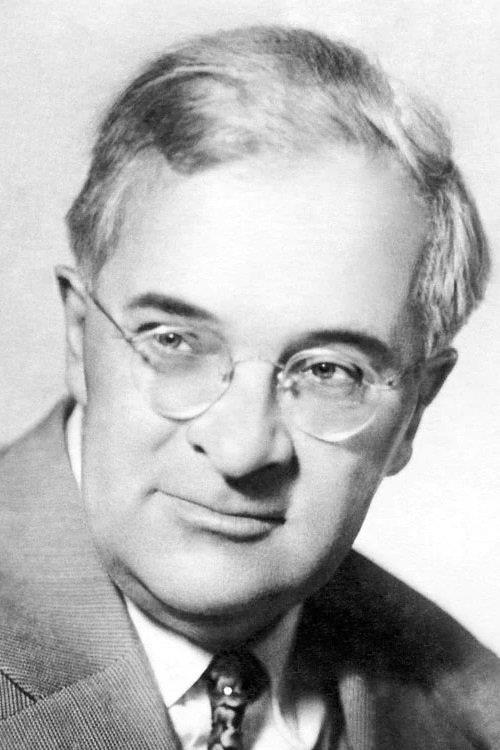
Maksim Shtraukh
Unknown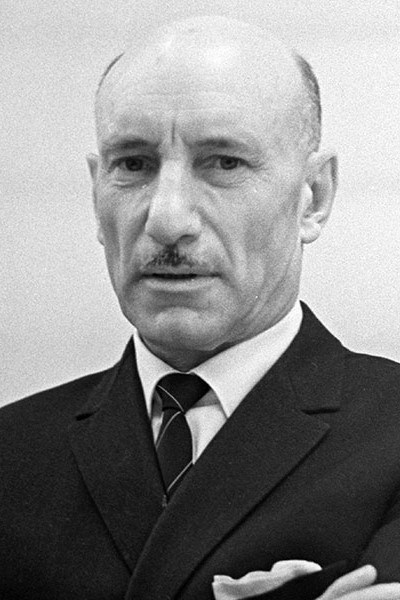
Sergei Gerasimov
UnknownSergei Komarov
UnknownVladimir Uralsky
UnknownA. Besperstyj
UnknownN. Romanov
UnknownM. Apeshenko
UnknownK. Gurayan
UnknownI. Pavrov
UnknownVsevolod Pudovkin
DirectorNina Agadzhanova
WriterM. Krasnostavsky
Writer

