Anna Boleyn (1920)
Drama · 1h 58m · 12/5/2006


Description
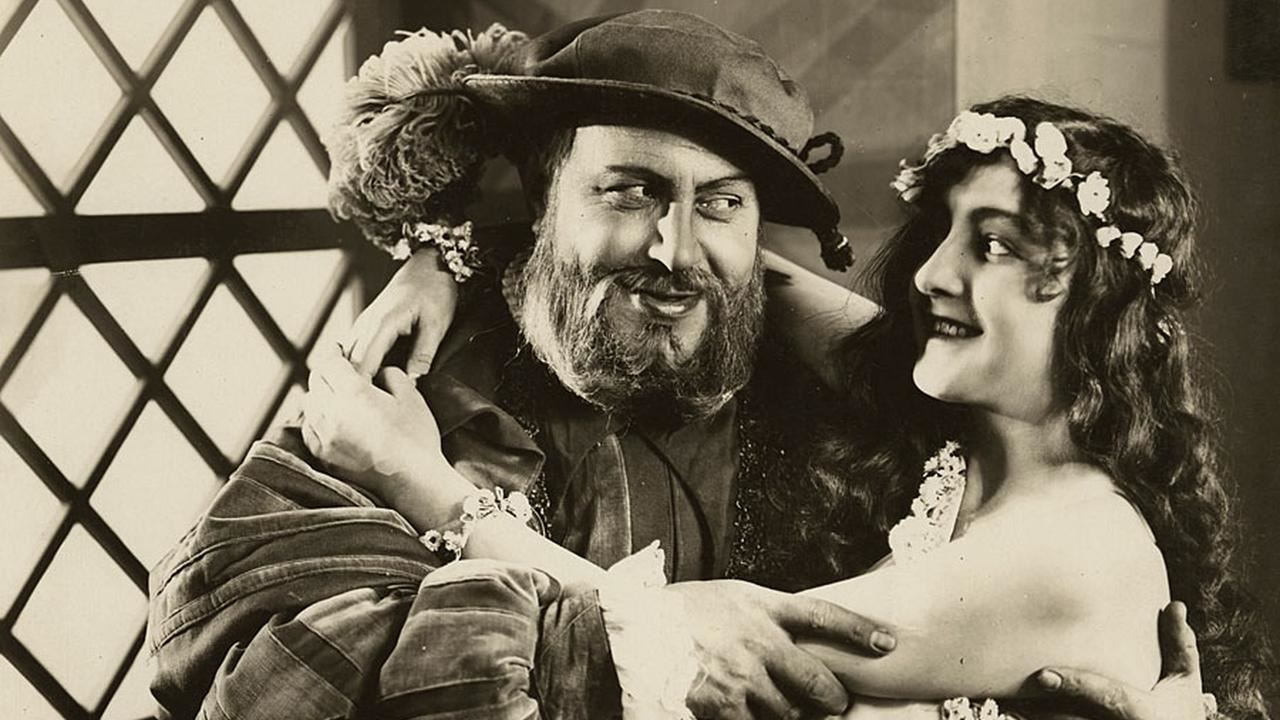
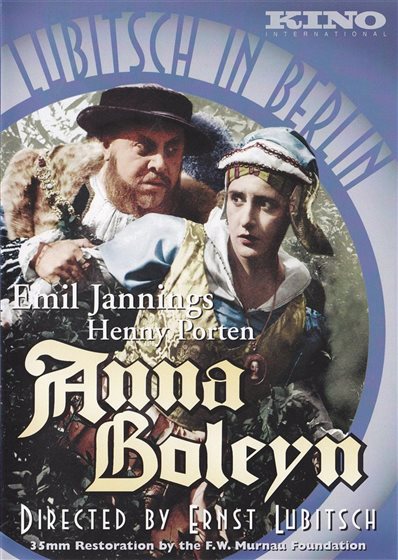
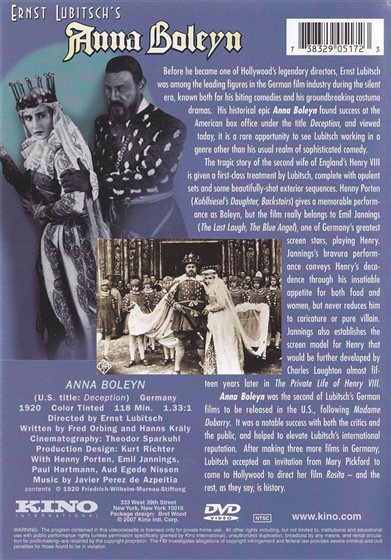
Before he became one of Hollywood's legendary directors, Ernst Lubitsch was among the leading figures in the German film industry during the silent era, known both for his biting comedies and his groundbreaking costume dramas. His historical Anna Boleyn found succes as the American box office under the title Deception, and viewed today, it is a rare opportunity to see Lubitsch working in a genre other than his usual realm of sophisticated comedy. The tragic story of the second wife of England's Henry VIII is given a first-class treatment by Lubitsch, complete with opulent sets and some beautifully-shot exterior sequences. Henny Porten (Kohlhiesel's Daughter, Backstairs) gives a memorable performance as Boleyn, but the film really belongs to Emil Jannings (The Last Laugh, The Blue Angel), one of Germany's greatest screen stars, playing Henry. Janning's bravura performance conveys Henry's decadence though his insatiable appetite for both food and women, but never reduces him to caricature or pure villain. Jannings also establishes the screen model that would be further developed by Charles Laughton almost fifteen years later in The Private Life of Henry VIII. Anna Boleyn was the second of Lubitsch's German films to be released in the U.S., following Madame Dubarry. It was a notable succes with both the critics and the public, and helped to elevate Lubitsch's international reputation. After making three more films in Germany, Lubitsch accepted an invitation from Mary Pickford to come to Hollywood and direct her film Rosita - and the rest, as they say, is history.
Release Country
United StatesBarcode
738329051723Release Date
12/5/2006Media Type
MovieAudio
 |
English | |
|
Digital Copy
Not IncludedStudio
Friedrich Wilhelm Murnau FoundationVideo Format
NTSCAspect Ratio
1.33:1Cover Type
Keep Case (Std.)Discs

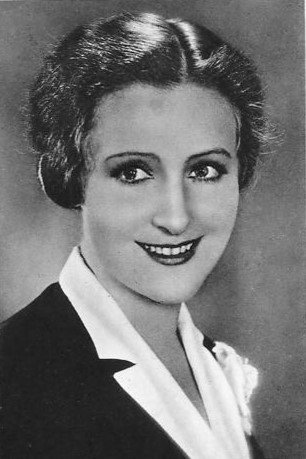
Henny Porten
Anna Boleyn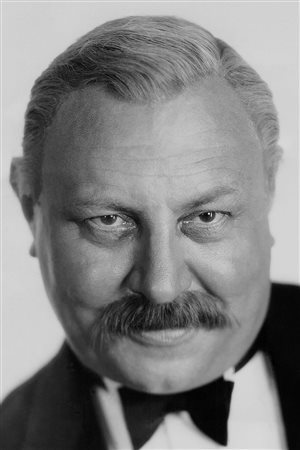
Emil Jannings
Henry VIII
Paul Hartmann
Sir Henry Norris
Ludwig Hartau
Duke of Norfolk
Aud Egede Nissen
Jane SeymourHedwig Pauly-Winterstein
Queen CatherineHilde Müller
Princess Marie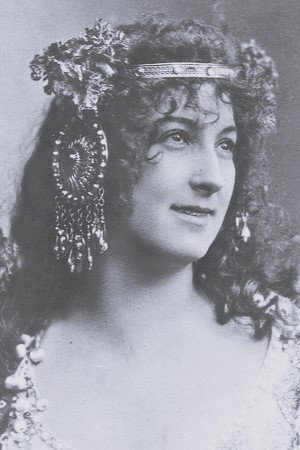
Maria Reisenhofer
Lady Rochford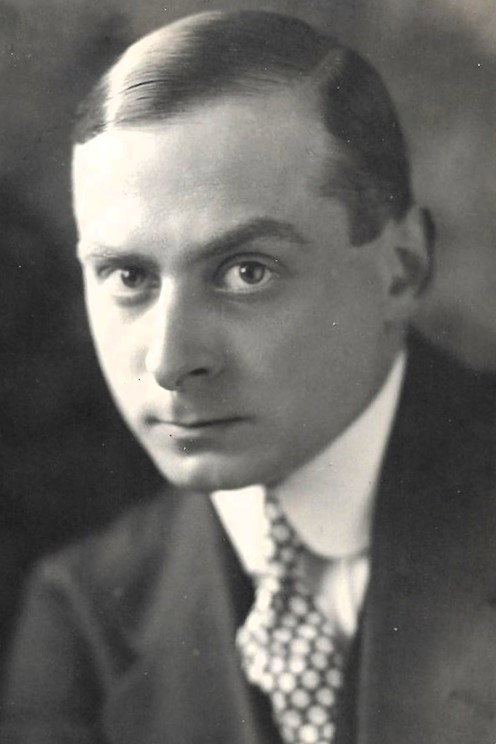
Ferdinand von Alten
Mark SmeatonAdolf Klein
Cardinal Wolsey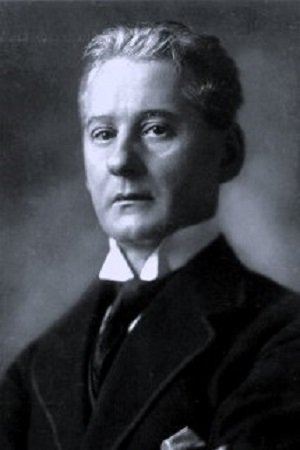
Paul Biensfeldt
Jester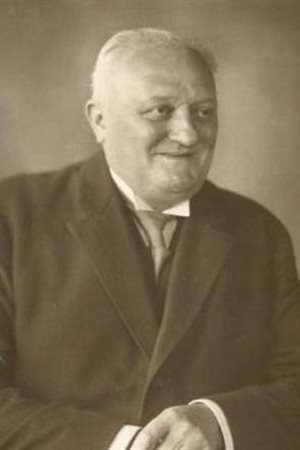
Wilhelm Diegelmann
Cardinal Campeggio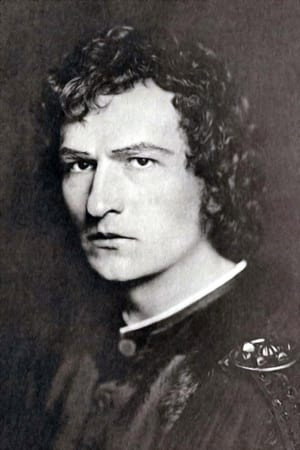
Friedrich Kühne
Archbishop Cranmer
Karl Platen
PhysicianErling Hanson
Count PercySophie Pagay
NurseJoseph Klein
Sir William Kingston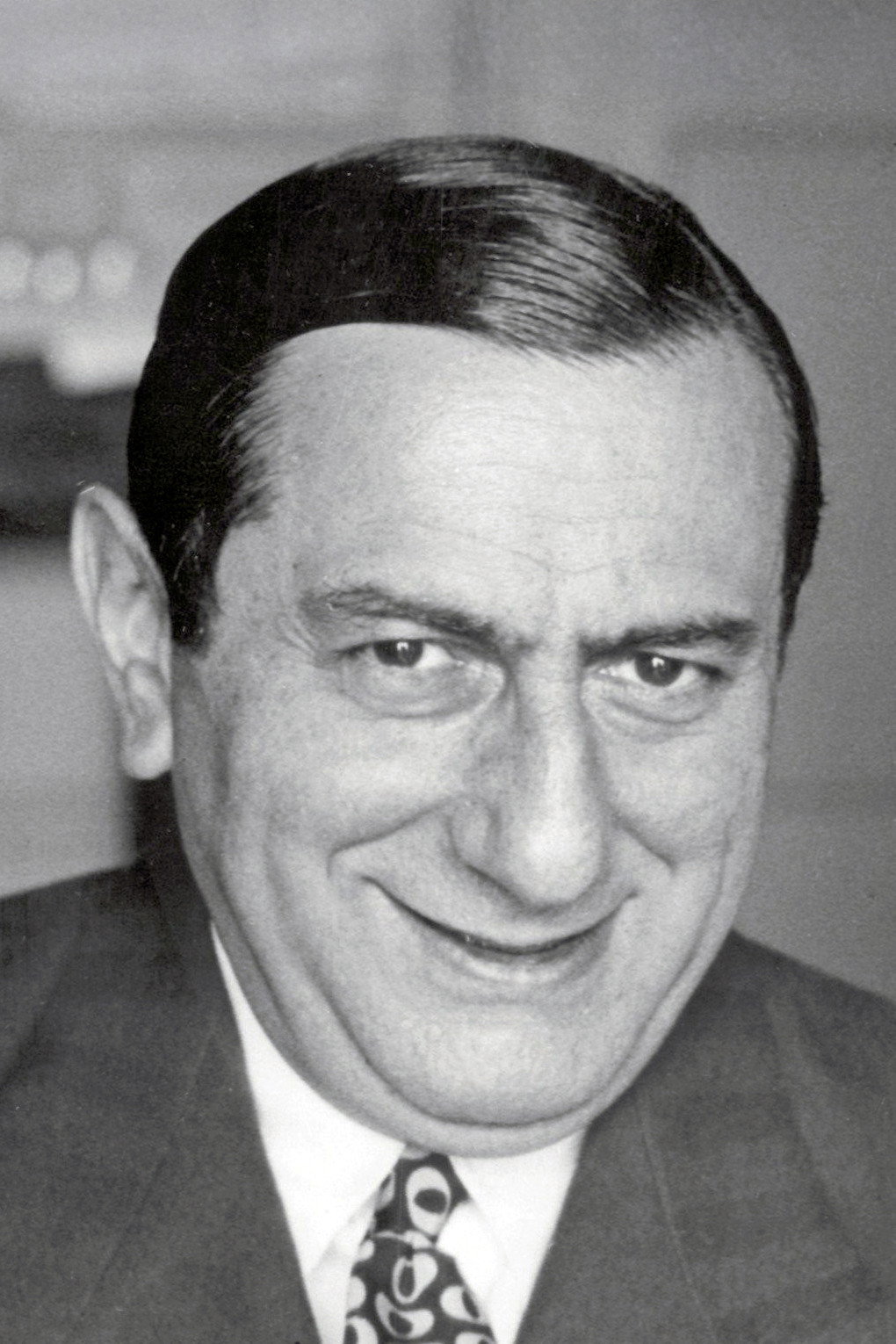
Ernst Lubitsch
Director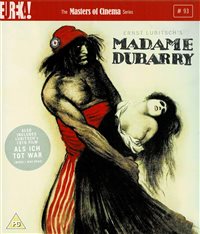
Madame DuBarry
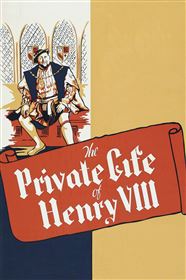
The Private Life of Henry VIII
Queen Christina
Marie Antoinette
Tower Of London
Fire Over England
The Young Mr. Pitt
Swordsman of Siena
A Royal Scandal
Virgin Queen, The
The Prince And The Showgirl
A Man for All Seasons
Becket
Mary, Queen of Scots
Nicholas and Alexandra
The Madness of King George
Elizabeth
The Other Boleyn Girl
Restoration
Cromwell
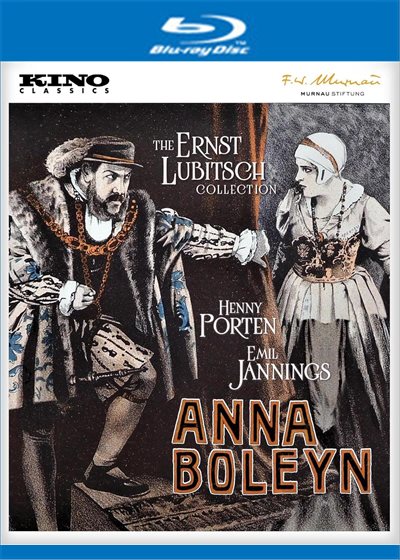
Anna Boleyn
(Blu-ray, Keep Case (HD Slim, Low))
6/18/2024