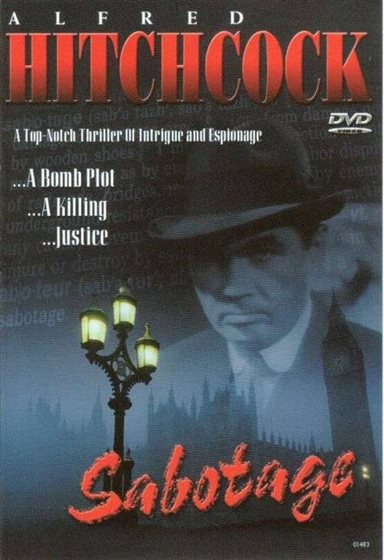
Sabotage (1936)
Suspense/Thriller/Drama · 1h 16m · 7/18/2000


Description
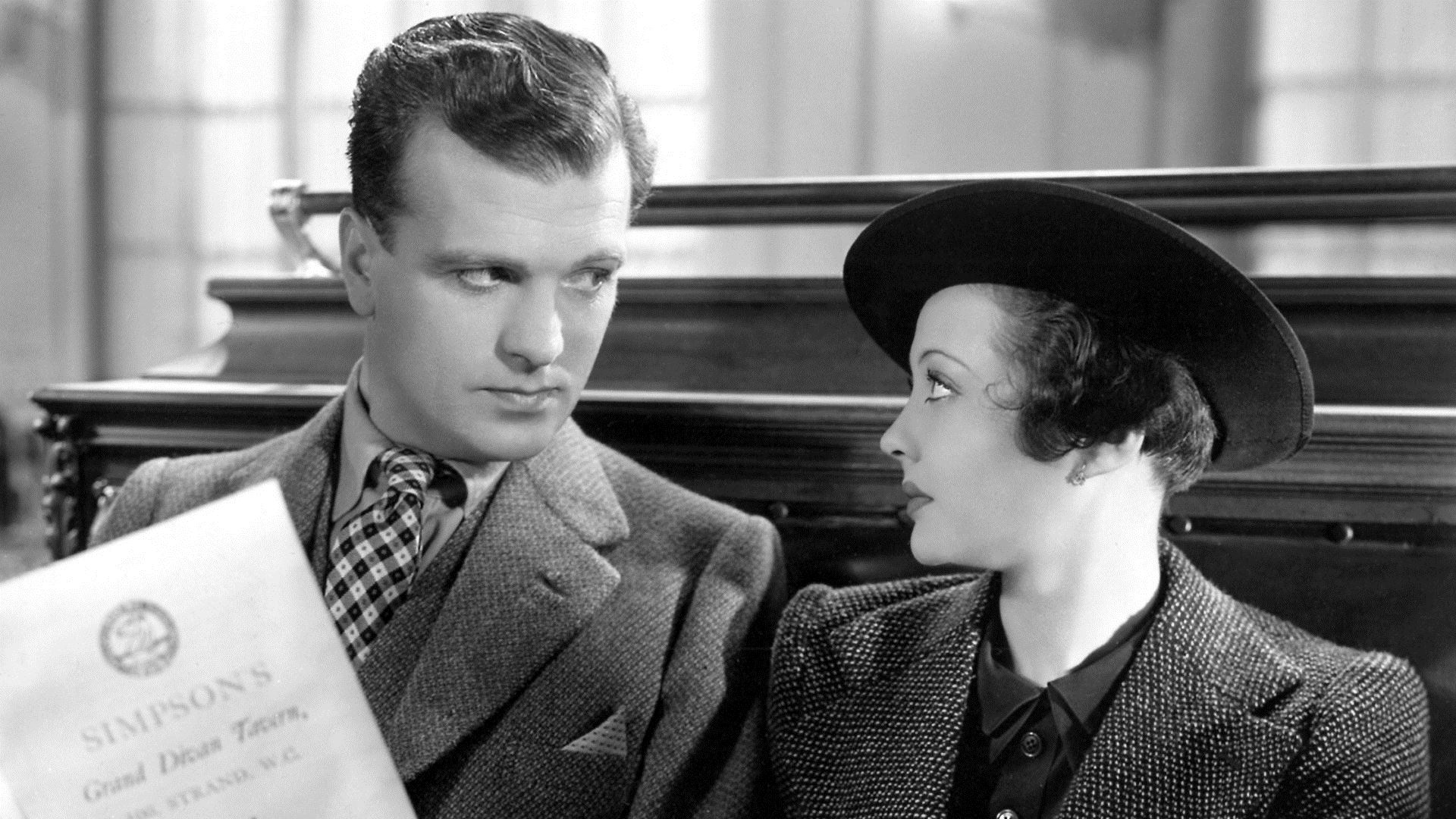
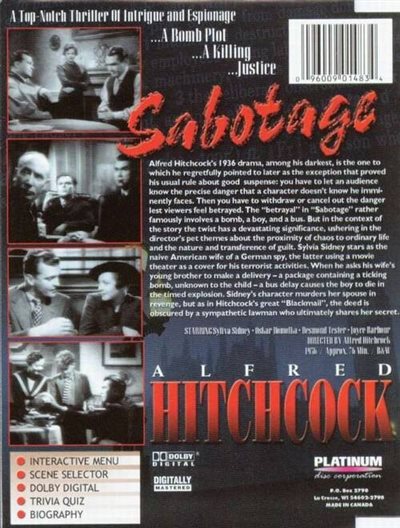
Alfred Hitchcock's 1936 drama, among his darkest, is the one to which he regretfully pointed later as the exception that proved his usual rule about good suspense: you have to let an audience know the precise danger that a character doesn't know he imminently faces. Then you have to withdraw or cancel out the danger lest viewers feel betrayed. The "betrayal" in Sabotage rather famously involves a bomb, a boy, and a bus. But in the context of the story (based on Joseph Conrad's The Secret Agent, inevitably confused with Hitchcock's quite different film called Secret Agent), the twist has a devastating significance, ushering in the director's pet themes about the proximity of chaos to ordinary life and the nature and transference of guilt. Sylvia Sidney stars as the naive American wife of a German spy, the latter using a movie theater as a cover for his terrorist activities. When he asks his wife's young brother to make a delivery--a package containing a ticking bomb, unknown to the child--a bus delay causes the boy to die in the timed explosion. Sidney's character murders her spouse in revenge, but as in Hitch's great Blackmail, the deed is obscured by a sympathetic lawman who ultimately shares her secret. Wrong or right, right or wrong--the clear distinctions don't often exist in the great director's movies, and Sabotage is no exception.

Release Country
United StatesBarcode
096009014834Release Date
7/18/2000Media Type
MovieAudio
 |
English |  |
 |
Studio
Platinum Disc CorporationVideo Format
NTSCAspect Ratio
1.33:1Discs

Streaming Rank Today

Sylvia Sidney
Mrs. Winnie Verloc (as Sylvia Sydney)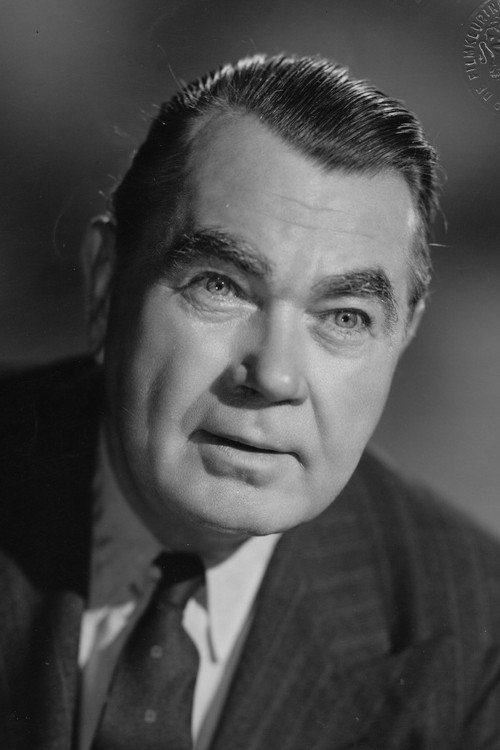
Oskar Homolka
Verloc - Her Husband (as Oscar Homolka)
Desmond Tester
Stevie - Her Young Brother
John Loder
Ted
Joyce Barbour
Renee
Matthew Boulton
Superintendent Talbot
S.J. Warmington
Hollingshead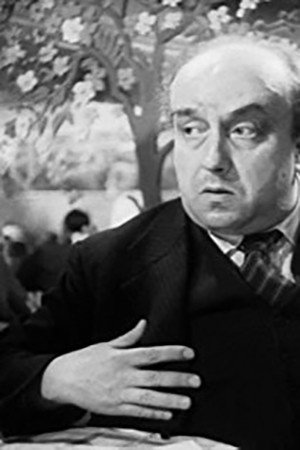
William Dewhurst
The ProfessorFrank Atkinson
Bit part (uncredited)Arnold Bell
Bit part (uncredited)Pamela Bevan
Bit part (uncredited)
Peter Bull
Michaelis (uncredited)Albert Chevalier
Bit part (uncredited)
D.A. Clarke-Smith
Bit part (uncredited)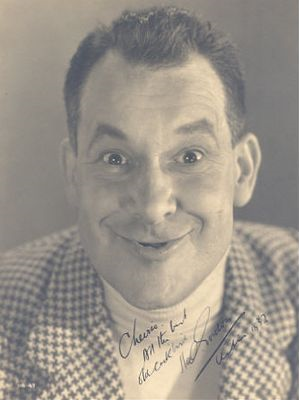
Hal Gordon
Bit part (uncredited)
Clare Greet
Mrs. Jones (the cook) (uncredited)
Charles Hawtrey
Studious Youth at the Aquarium (uncredited)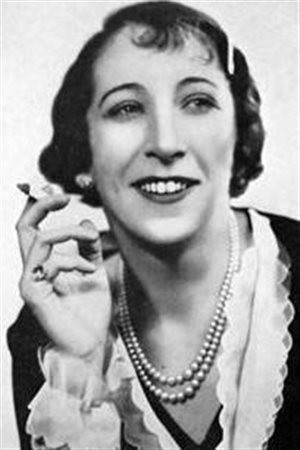
Martita Hunt
The Professor's Daughter (uncredited)
Mike Johnson
Member of Cinema Crowd (uncredited)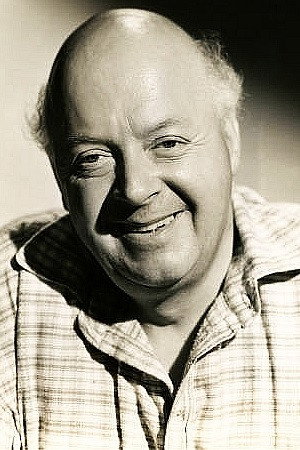
Aubrey Mather
W. Brown & Sons Greengrocer (uncredited)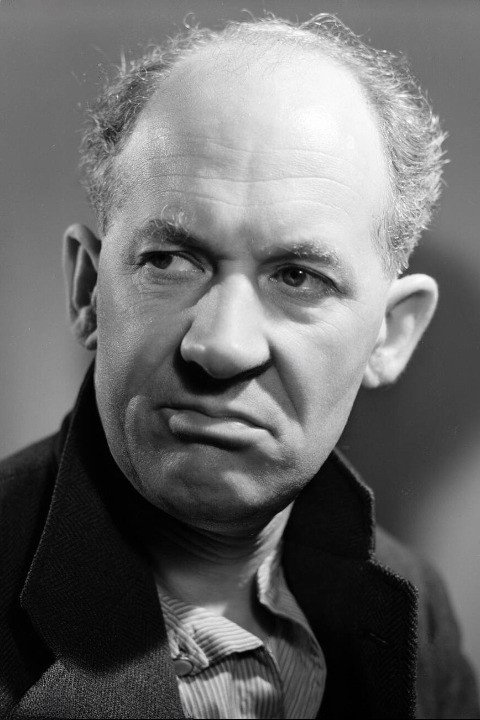
Frederick Piper
Bus Conductor (uncredited)
Torin Thatcher
Yunct (uncredited)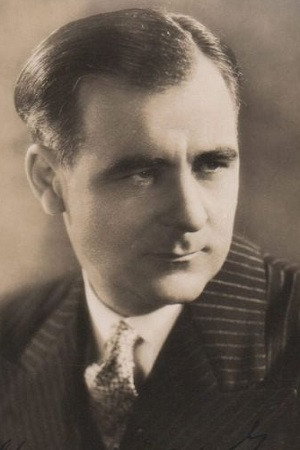
Austin Trevor
Vladimir (uncredited)Jack Vyvian
Detective (uncredited)
Sam Wilkinson
Cinema Patron Who Wants His Money Back (uncredited)
Alfred Hitchcock
Director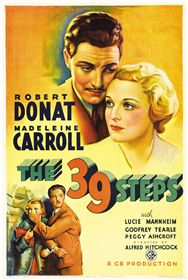
The 39 Steps

The Lady Vanishes
Foreign Correspondent
M
The Man Who Knew Too Much
Secret Agent
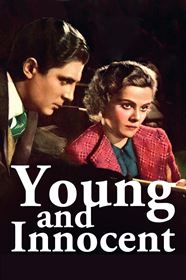
Young and Innocent
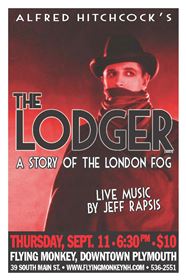
The Lodger
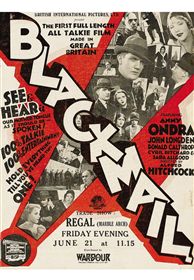
Blackmail
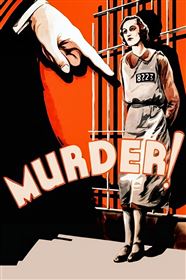
Murder!

Spellbound

Notorious
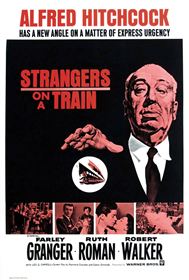
Strangers on a Train
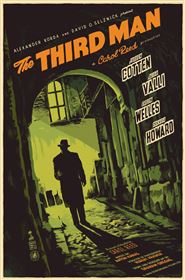
The Third Man
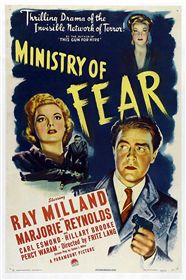
Ministry of Fear
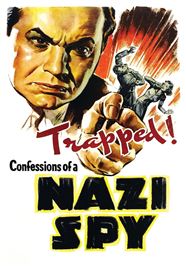
Confession of a Nazi Spy
The Maltese Falcon
The Big Sleep
Double Indemnity

Gaslight
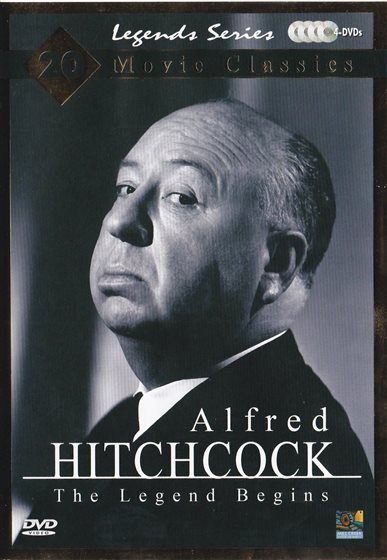
Sabotage
(DVD, Keep Case (Std.))
9/25/2007
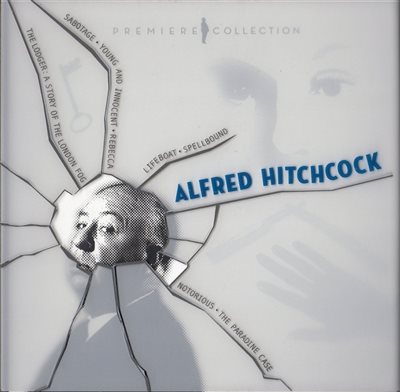
Sabotage
(DVD)
10/14/2008
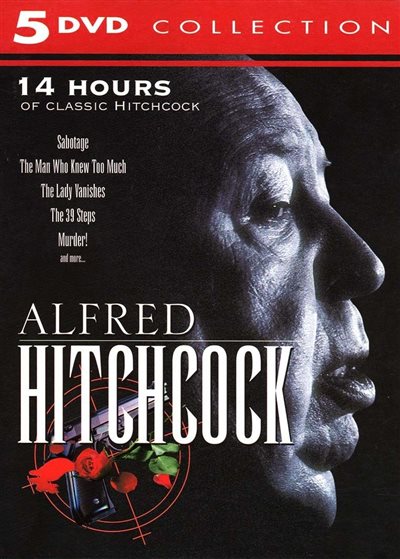
Sabotage
(DVD)
1/23/2007
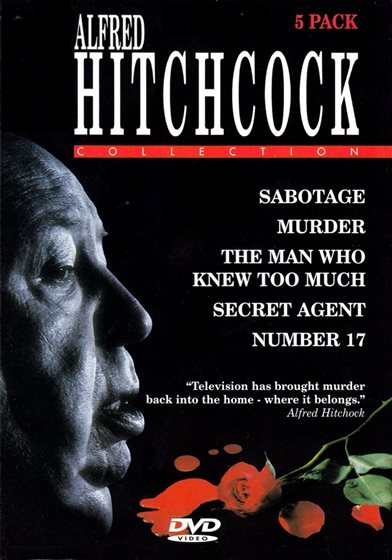
The Alfred Hitchcock Collection: Sabotage, Murder, the Man Who Knew Too Much, Secret Agent,Number 17
(DVD)
7/29/1998
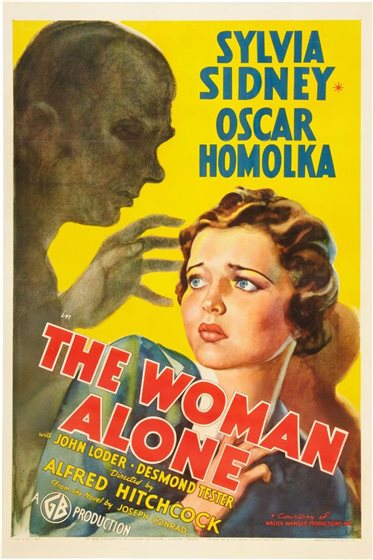
Sabotage
(DVD)
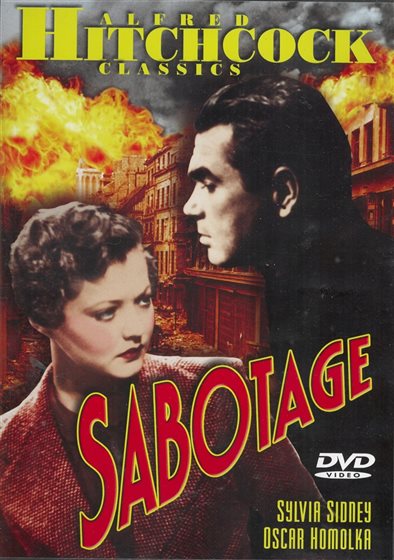
Sabotage
(DVD)
6/18/2002
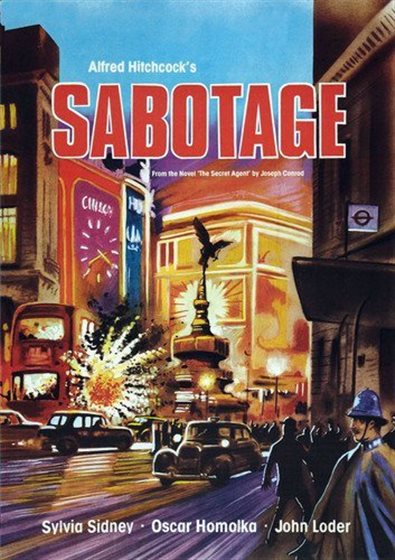
Sabotage
(DVD)
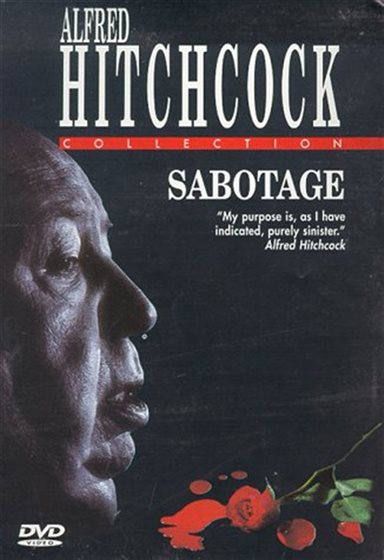
Sabotage
(DVD)
3/24/1998
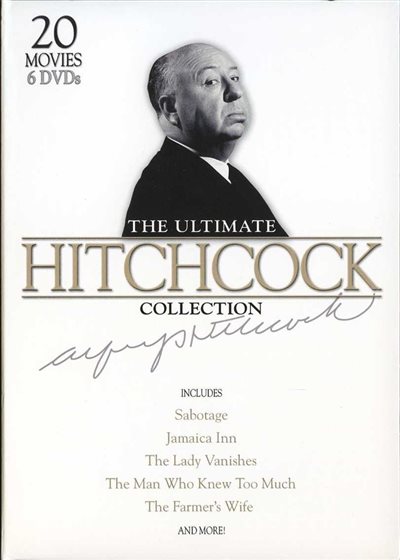
Sabotage
(DVD)
2/27/2007
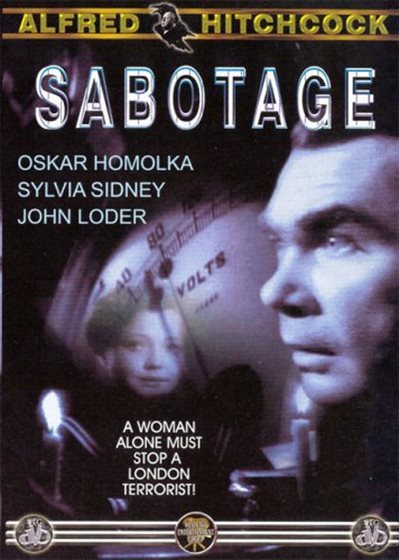
Sabotage
(DVD)
2/10/2004
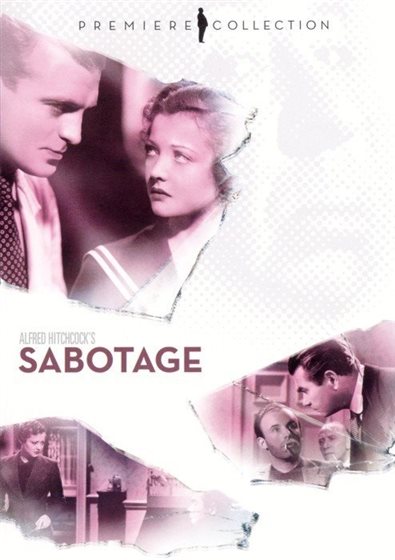
Sabotage
(DVD, Keep Case (Std.))
2/10/2009
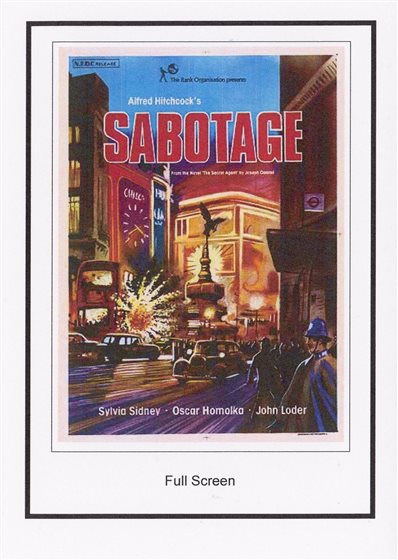
Sabotage
(DVD, Keep Case (Std.))
7/29/2010
Sabotage
(DVD)
8/19/2008
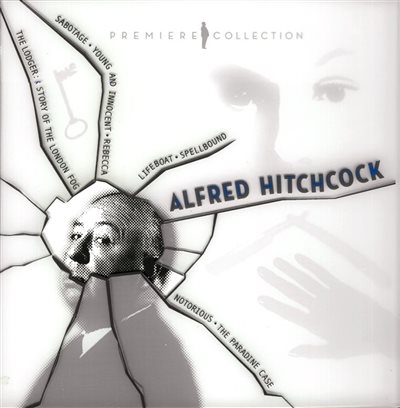
Sabotage
(DVD)
10/14/2008
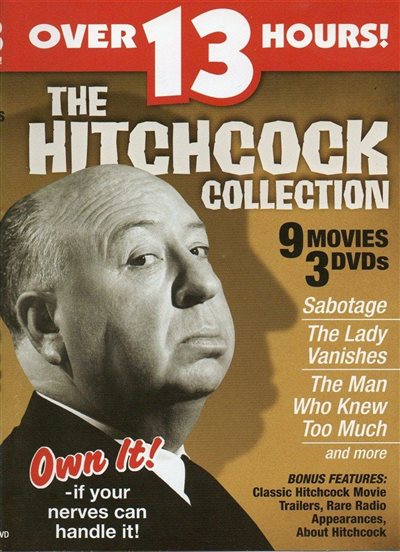
Sabotage
(DVD, Keep Case (Std.))
1/11/2005
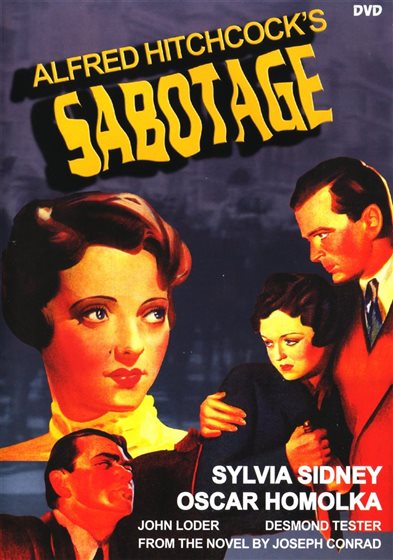
Sabotage
(DVD)
1/1/2004
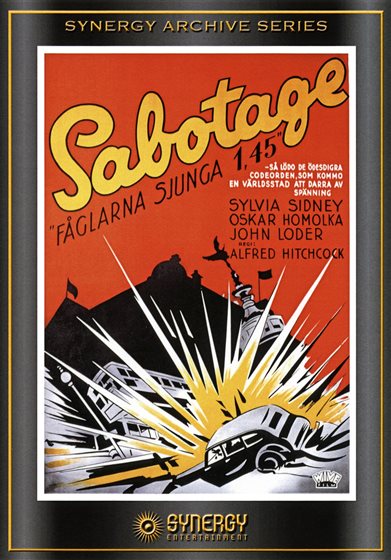
Sabotage
(DVD, Keep Case (Std.))
6/10/2009
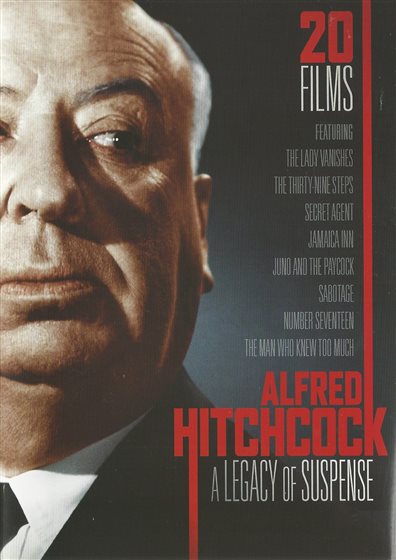
Sabotage
(DVD, Keep Case (Std.))
8/23/2011
Alfred Hitchock
(DVD)
7/23/2004
Sabotage
(DVD)
11/8/2011
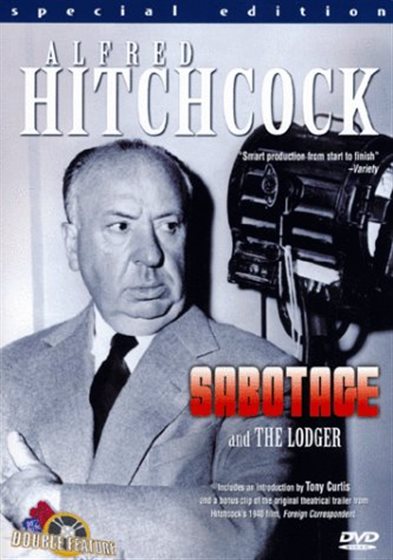
Sabotage and The Lodger
(DVD)
7/24/1999