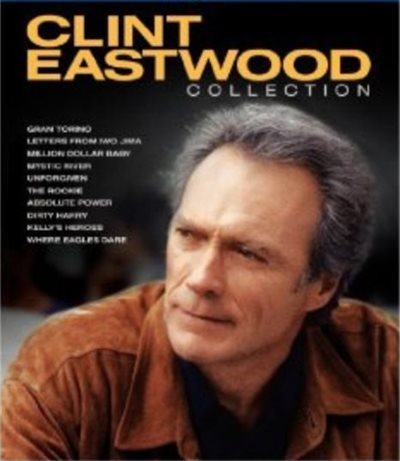
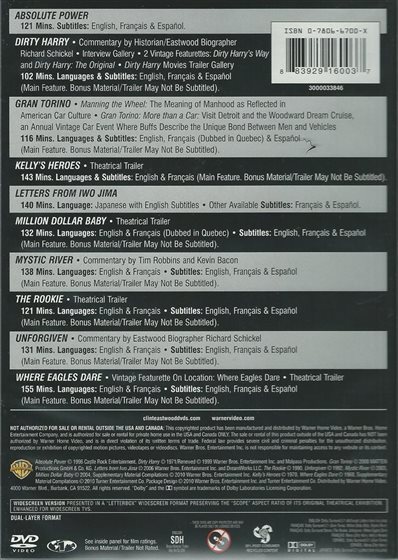
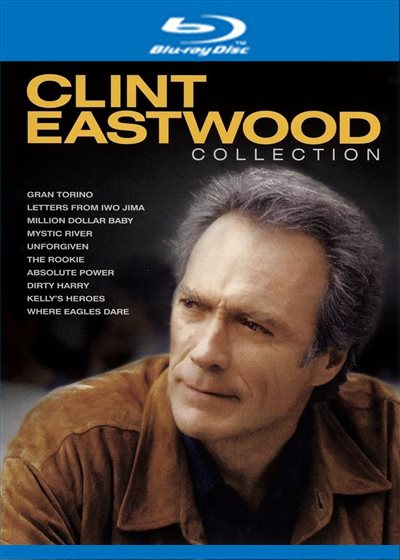
Eastwood Collector's Set: Gran Torino / Letters From Iwo Jima / Million Dollar Baby / Mystic River / (1968)
Suspense/Thriller/Drama/Crime · 21h 45m · 1/11/2011


Description
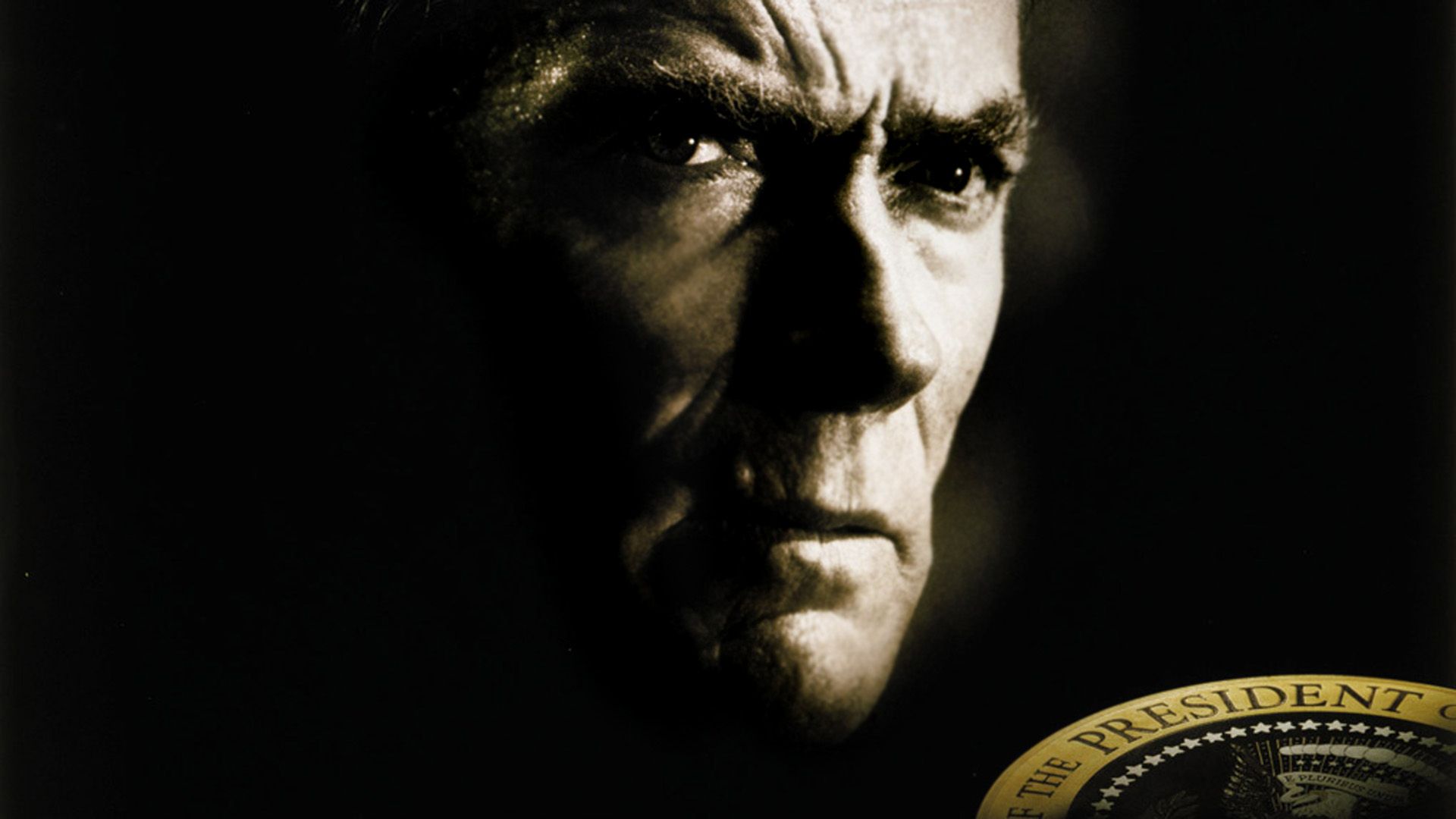
Absolute Power Director Clint Eastwood's 1997 box-office hit stars himself as Luther Whitney, a highly skilled thief who finds himself in the wrong place at the wrong time, witnessing the murder of a woman involved in a secret tryst with the U.S. president (played by Gene Hackman). Determined to clear his name, Whitney cleverly eludes a tenacious detective (Ed Harris) while investigating a corruption of power reaching to the highest level of government. Adapted by veteran screenwriter William Goldman from David Baldacci's novel, this thriller balances expert suspense with well-drawn characters and an intelligent plot that's just a pounding heartbeat away from real White House headlines. Absolute Power features the great Judy Davis in a memorable supporting role as the White House chief of staff who desperately attempts to cover up the crime. Dirty Harry Whether or not you can sympathize with its fascistic-vigilante approach to law enforcement, Dirty Harry (directed by star Clint Eastwood's longtime friend and directorial mentor, Don Siegel) is one hell of a cop thriller. The movie makes evocative use of its San Francisco locations as cop Harry Callahan (Eastwood) tracks the elusive "Scorpio killer" who has been terrorizing the city by the Bay. As the psychopath's trail grows hotter, Harry becomes increasingly impatient and intolerant of the frustrating obstacles (departmental red tape, individuals' civil rights) that he feels are keeping him from doing his job. A characteristically taut and tense piece of filmmaking from Siegel (Invasion of the Body Snatchers, The Shootist, Escape from Alcatraz), it also remains a fascinating slice of American pop culture. It was a big hit (followed by four sequels) that obviously reflected--or exploited--the almost obsessive or paranoid fears and frustrations many Americans felt about crime in the streets. At a time when "law and order" was a familiar slogan for political candidates, Harry Callahan may have represented neither, but from his point of view his job was simple: stop criminals. To him that end justified any means he deemed necessary. Clint Eastwood's Gran Torino, an unassuming picture shot during a post-production lull on his elaborate period piece Changeling, was quietly rolled out at Christmastime 2008, whereupon it proceeded to blow away all the Oscar-bait behemoths at the box office and win its 78-year-old star the best reviews of his acting career. Both film and performance are consummately sly--coming on with deceptive simplicity, only to evolve into something complex, powerful, and surprisingly tender. Just as Unforgiven was a tragic reflection on Eastwood's legacy in the Western genre, Gran Torino caps and eloquently critiques the urban heritage of Dirty Harry and his violent brethren. And on top of that, the movie becomes a savvy meditation on America in a particular historical moment, racially, economically, spiritually. Call it a "state of the union" message. But call it that with a wry grin. Gran Torino The latest Dirty Harry is actually a grumpy Walt: Walt Kowalski (Eastwood playing his own age), widower, Korean War veteran, retired auto worker, and the last white resident of his Detroit side street. It's hard to say who irks him more--his blood kin (a pretty lame bunch) or the Hmong families who are his new neighbors. Kowalski's a racist, because it has never occurred to him he shouldn't be. Besides, that's the flipside of the mutual ethnic baiting that serves as coin of affection for him and his working-class buddies. Circumstances--and two young people next door, the feisty Sue (Ahney Her) and her conflicted brother Thao (Bee Vang)--contrive to involve Walt with a new community, and anoint him as its hero after he turns his big guns on some ruffians. The trajectory of this may surprise you--several times over. Eastwood opted to film in economically blighted Detroit--a shrewd decision, but it's his mapping of Walt's world in that classical style of his that really counts. Every incidental corner of lawn, porch, and basement comes to matter--and by all means the workshop/garage that houses the mint-condition Gran Torino which Walt helped build in a more prosperous era. This is a remarkable movie. Kelly's Heroes This tongue-in-cheek 1970 variation on The Dirty Dozen looks less fresh than it did in the year of its release, but it still has some enjoyable moments. Clint Eastwood stars along with Donald Sutherland, Harry Dean Stanton, Telly Savalas, Don Rickles, Carroll O'Connor, and Gavin MacLeod in the story of American soldiers who try to steal gold behind enemy lines in World War II. Sutherland's hippie G.I. doesn't have the sardonic and timely appeal he did during the Vietnam War, but the film's irreverence and several of the performances are worth a visit. Letters From Iwo Jima Critically hailed as an instant classic, Clint Eastwood's Letters from Iwo Jima is a masterwork of uncommon humanity and a harrowing, unforgettable indictment of the horrors of war. In an unprecedented demonstration of worldly citizenship, Eastwood (from a spare, tightly focused screenplay by first-time screenwriter Iris Yamashita) has crafted a truly Japanese film, with Japanese dialogue (with subtitles) and filmed in a contemplative Japanese style, serving as both complement and counterpoint to Eastwood's previously released companion film Flags of Our Fathers. Where the earlier film employed a complex non-linear structure and epic-scale production values to dramatize one of the bloodiest battles of World War II and its traumatic impact on American soldiers, Letters reveals the battle of Iwo Jima from the tunnel- and cave-dwelling perspective of the Japanese, hopelessly outnumbered, deprived of reinforcements, and doomed to die in inevitable defeat. While maintaining many of the traditions of the conventional war drama, Eastwood extends his sympathetic touch to humanize "the enemy," revealing the internal and external conflicts of soldiers and officers alike, forced by circumstance to sacrifice themselves or defend their honor against insurmountable odds. From the weary reluctance of a young recruit named Saigo (Kazunari Ninomiya) to the dignified yet desperately anguished strategy of Japanese commander Tadamichi Kuribayashi (played by Oscar-nominated The Last Samurai costar Ken Watanabe), whose letters home inspired the film's title and present-day framing device, Letters from Iwo Jima (which conveys the bleakness of battle through a near-total absence of color) steadfastly avoids the glorification of war while paying honorable tribute to ill-fated men who can only dream of the comforts of home. Million Dollar Baby Clint Eastwood's 25th film as a director, Million Dollar Baby stands proudly with Unforgiven and Mystic River as the masterwork of a great American filmmaker. In an age of bloated spectacle and computer-generated effects extravaganzas, Eastwood turns an elegant screenplay by Paul Haggis (adapted from the book Rope Burns: Stories From the Corner by F.X. Toole, a pseudonym for veteran boxing manager Jerry Boyd) into a simple, humanitarian example of classical filmmaking, as deeply felt in its heart-wrenching emotions as it is streamlined in its character-driven storytelling. In the course of developing powerful bonds between "white-trash" Missouri waitress and aspiring boxer Maggie Fitzgerald (Hilary Swank), her grizzled, reluctant trainer Frankie Dunn (Eastwood), and Frankie's best friend and training-gym partner Eddie "Scrap-Iron" Dupris (Morgan Freeman), 74-year-old Eastwood mines gold from each and every character, resulting in stellar work from his well-chosen cast. Containing deep reserves of love, loss, and the universal desire for something better in hard-scrabble lives, Million Dollar Baby emerged, quietly and gracefully, as one of the most acclaimed films of 2004, released just in time to earn an abundance of year-end accolades, all of them well-deserved. Mystic River Superior acting, writing, and direction are on impressive display in the critically acclaimed Mystic River, Clint Eastwood's 24th directorial outing and one of the finest films of 2003. Sharply adapted by L.A. Confidential Oscar-winner Brian Helgeland from the novel by Dennis Lehane, this chilling mystery revolves around three boyhood friends in working-class Boston--played as adults by Tim Robbins, Sean Penn, and Kevin Bacon--drawn together by a crime from the past and a murder (of the Penn character's 19-year-old daughter) in the present. These dual tragedies arouse a vicious cycle of suspicion, guilt, and repressed anxieties, primed to explode with devastating and unpredictable results. Eastwood is perfectly in tune with this brooding material, giving his flawless cast (including Laura Linney, Marcia Gay Harden and Laurence Fishburne) ample opportunity to plumb the depths of a resonant human tragedy, leading to an ambiguous ending that qualifies Mystic River for contemporary classic status. The Rookie This somewhat desperate-looking project pairs the aging Clint Eastwood (he also directed) with a younger actor (Charlie Sheen) who was hot at the time this film was made (1990). There's certainly nothing wrong with that strategy, but it would have helped if Eastwood had a decent story to wrap around his commercial strategy. The senior star plays a grizzled cop with a smooth-faced preppie (Sheen) as a new partner. Their odd-couple shtick is as predictable as one would expect, with each man approaching the same job with a wholly different set of convictions from the other. Inexplicably, Eastwood also hired Raul Julia and Sonia Braga to plays Germans, but then the scene most people remember in this movie is Braga's rape of Eastwood--indeed an unusual moment. Unforgiven Winner of four Academy Awards, including best picture, director, supporting actor, and best editing, Clint Eastwood's 1992 masterpiece stands as one of the greatest and most thematically compelling Westerns ever made. "The movie summarized everything I feel about the Western," said Eastwood at the time of the film's release. "The moral is the concern with gunplay." To illustrate that theme, Eastwood stars as a retired, once-ruthless killer-turned-gentle-widower and hog farmer. He accepts one last bounty-hunter mission--to find the men who brutalized a prostitute--to help support his two motherless children. Joined by his former partner (Morgan Freeman) and a cocky greenhorn (Jaimz Woolvett), he takes on a corrupt sheriff (Oscar winner Gene Hackman) in a showdown that makes the viewer feel the full impact of violence and its corruption of the soul. Dedicated to Eastwood's mentors Sergio Leone and Don Siegel and featuring a colorful role for Richard Harris, it's arguably Eastwood's crowning directorial achievement. Where Eagles Dare Scorned by reviewers when it came out, this concentrated dose of commando death-dealing to legions of Nazi machine-gun fodder has acquired a cult over the years. In 1968 Clint Eastwood was just getting used to the notion that he might be a world-class movie star; Richard Burton, whose image had been shaped equally by classical theater training and his headline-making romance with Elizabeth Taylor, was eager to try on the action ethos Eastwood was already nudging toward caricature. Alistair MacLean's novel The Guns of Navarone had inspired the film that started the '60s vogue for World War II military capers, so he was prevailed on to write the screenplay (his first). The central location, an impregnable Alpine stronghold locked in ice and snow, is surpassing cool, but the plot and action are ultra-mechanical, and the switcheroo gamesmanship of just who is the undercover double (triple?) agent on the mission becomes aggressively silly.

Release Country
United StatesBarcode
883929160037Release Date
1/11/2011Media Type
MovieAudio
 |
English | |
| ||
 |
French | |
| ||
 |
Spanish | |
|
Studio
Warner Home VideoSubtitles
English
French
SpanishVideo Format
NTSCAspect Ratio
1.78:1Discs


Clint Eastwood
Luther Whitney
Gene Hackman
President Allen Richmond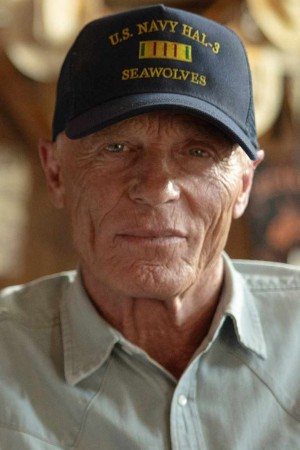
Ed Harris
Seth Frank
Laura Linney
Kate Whitney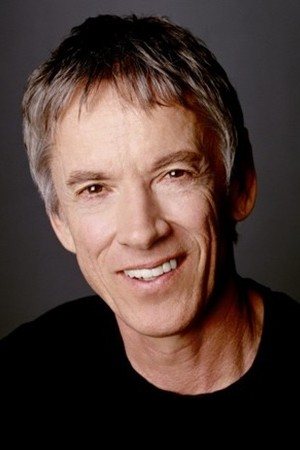
Scott Glenn
Bill Burton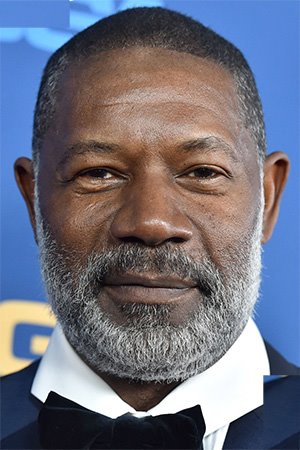
Dennis Haysbert
Tim Collin
Judy Davis
Gloria Russell
E.G. Marshall
Walter Sullivan
Melora Hardin
Christy Sullivan
Kenneth Welsh
Sandy Lord (as Ken Welsh)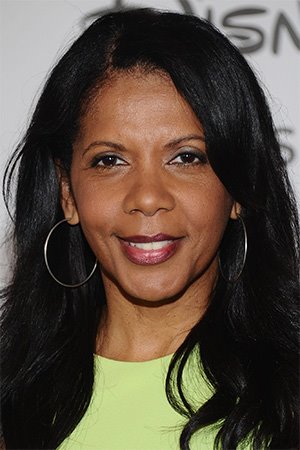
Penny Johnson
Laura Simon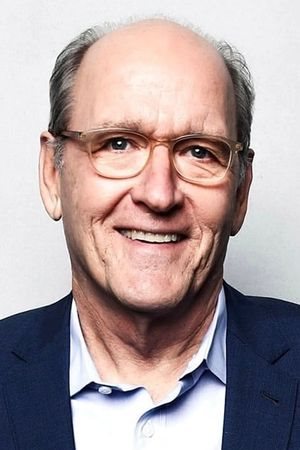
Richard Jenkins
Michael McCarty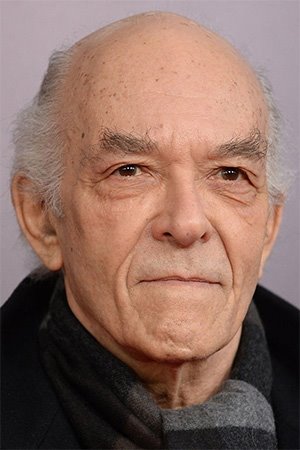
Mark Margolis
Red Brandsford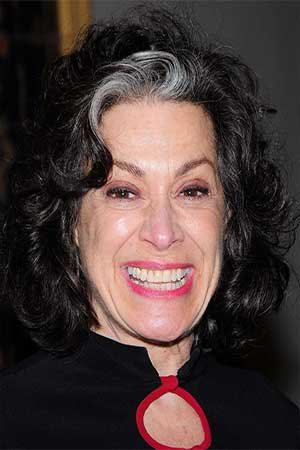
Elaine Kagan
Valerie
Alison Eastwood
Art Student
Yau-Gene Chan
Waiter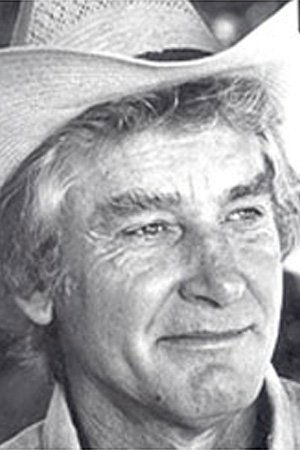
George Orrison
Airport Bartender
Charles McDaniel
Medical Examiner
John Lyle Campbell
Repairman
Kimber Eastwood
White House Tour GuideEric Dahlquist Jr.
Oval Office AgentJack Stewart Taylor
Watergate DoormanJoy Ehrlich
Reporter
Robert Harvey
CopClint Eastwood
DirectorDavid Baldacci
Writer
William Goldman
Writer
No Way Out
The Fugitive

The Pelican Brief
In the Line of Fire
Clear and Present Danger
Murder At 1600
Enemy of the State

The Negotiator
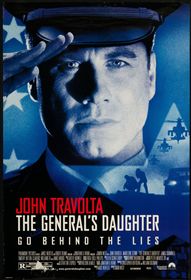
The General's Daughter
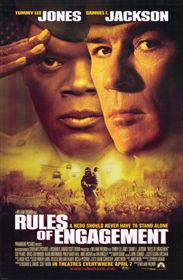
Rules of Engagement
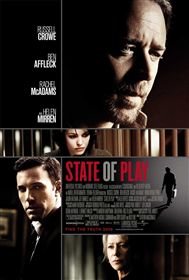
State of Play
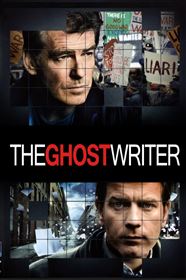
The Ghost Writer
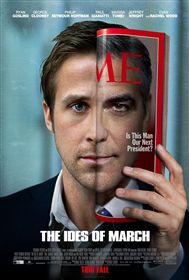
The Ides of March
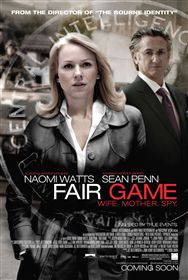
Fair Game
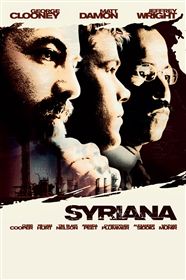
Syriana

The Constant Gardener
Michael Clayton
Bridge of Spies
The International
Three Days of the Condor
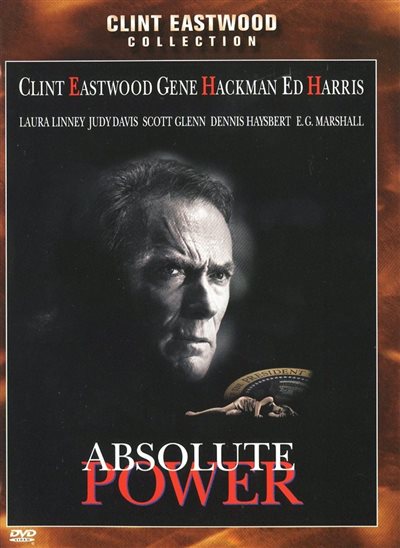
Absolute Power
(DVD, Snapper)
7/8/1997
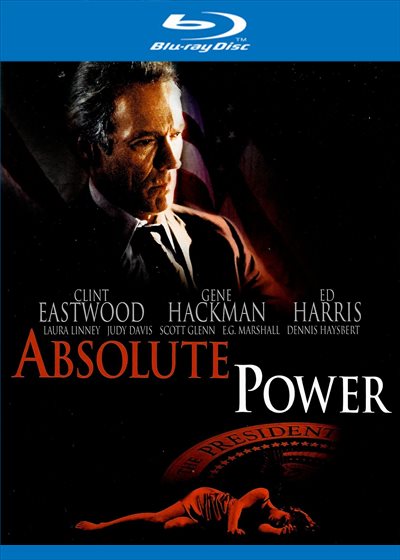
Absolute Power
(Blu-ray, Keep Case (HD Slim, Low))
6/1/2010
$8.27
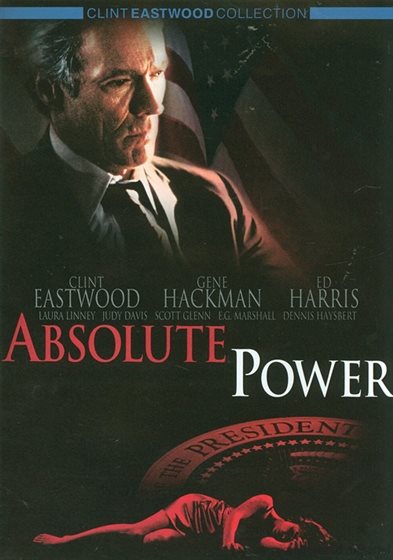
Absolute Power
(DVD, Keep Case (Std.))
6/1/2010
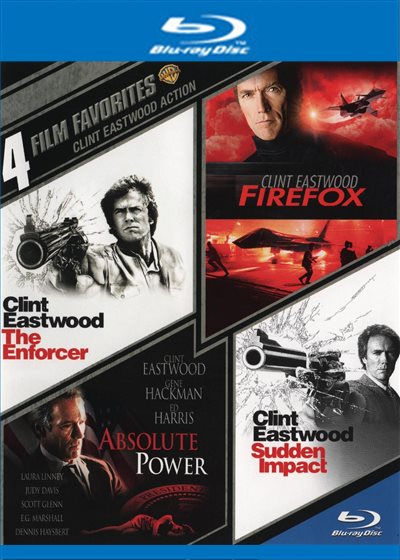
Absolute Power
(Blu-ray, Keep Case (HD Slim, Low))
3/6/2014
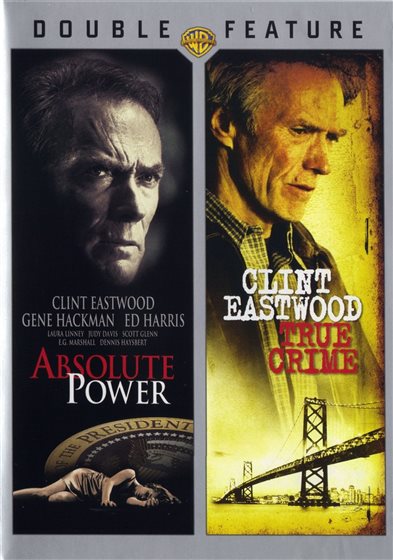
Absolute Power
(DVD)
6/1/2010

Absolute Power
(DVD)
Absolute Power
(Blu-ray, Keep Case (HD, Low))
6/1/2010
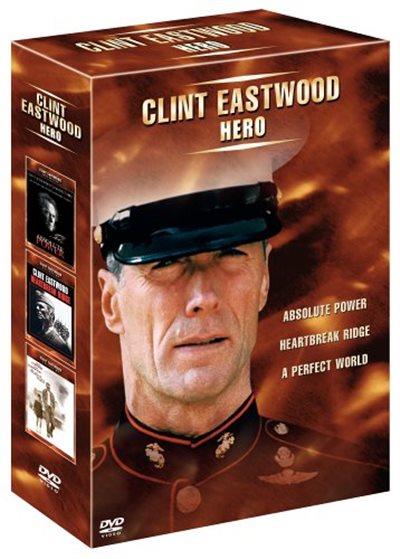
Clint Eastwood - Hero (Absolute Power / Heartbreak Ridge / A Perfect World)
(DVD)
10/7/2003
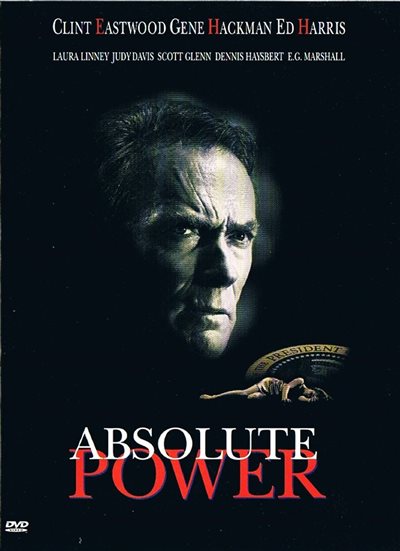
Absolute Power
(DVD, Keep Case (Std.))
8/22/1997
Absolute Power
(DVD, Digibook)
2/16/2010