The Pawnshop (1916)
Short/Comedy · 0h 25m · 7/9/2003


Description
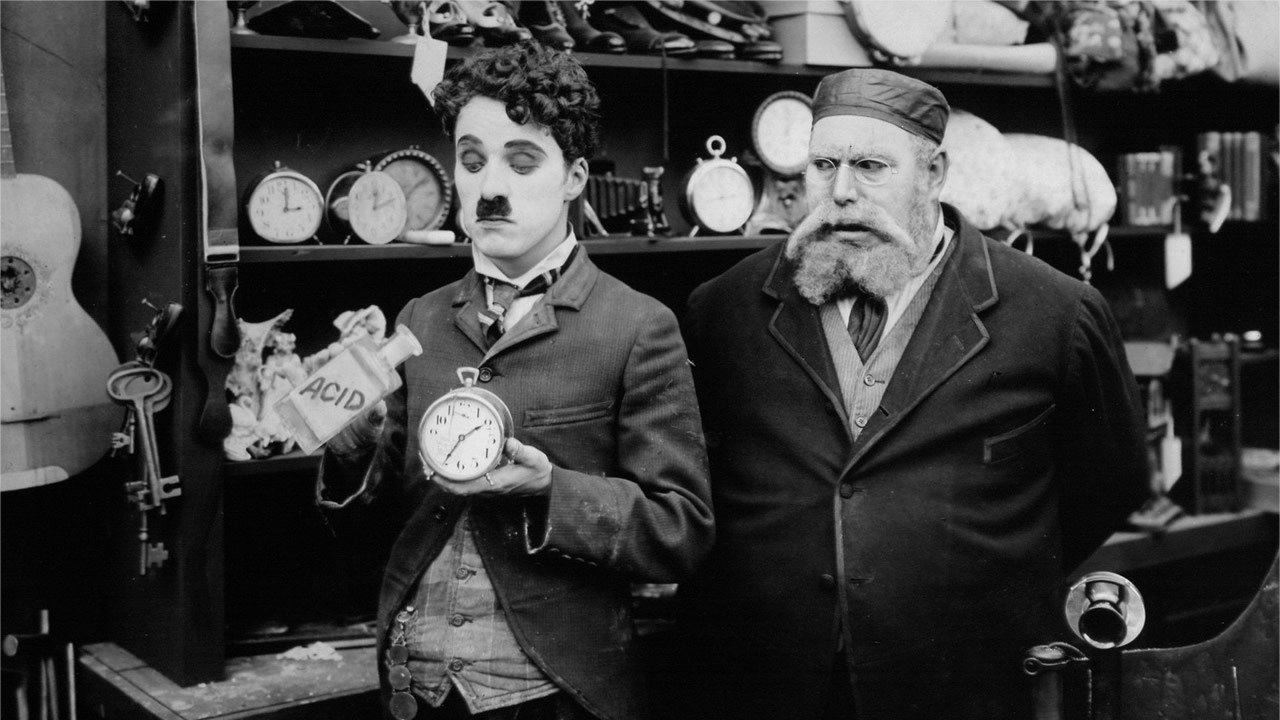
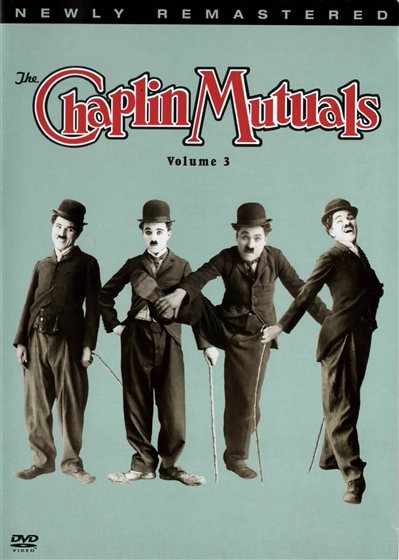
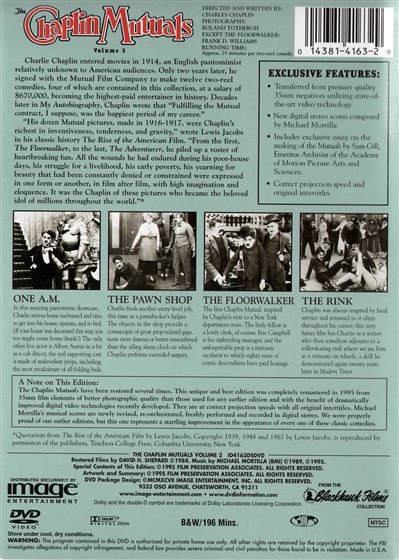
Charlie Chaplin entered movies in 1914, an English pantomimist relatively unknown to American audiences. Only two years later, he signed with the Mutual Film Company to make twelve two-reel comedies, four of which are contained in this collection, at a salary of $670,000, becoming the highest-paid entertainer in history. Decades later in My Autobiography, Chaplin wrote that "Fulfilling the Mutual contract, I suppose, was the happiest period of my career." "His dozen Mutual pictures, made in 1916-1917, were Chaplin's richest in inventiveness, tenderness, and gravity," wrote Lewis Jacobs in his classic history The Rise of the American Film. "From the first, The Floorwalker, to the last, The Adventurer, he piled up a roster of heartbreaking fun. All the wounds he had endured during his poor-house days, his struggle for a livelihood, his early poverty, his yearning for beauty that had been constantly denied or constrained were expressed in one form or another, in film after film, with high imagination and eloquence. It was the Chaplin of these pictures who became the beloved idol of millions throughout the world." THE PAWN SHOP Charlie finds another entry-level job, this time as a pawnbroker's helper. The objects in the shop provide a cornucopia of great prop-related gags, none more famous or better remembered than the ailing alarm clock on which Chaplin performs extended surgery.
Release Country
United StatesRelease Date
7/9/2003Media Type
MovieAudio
 |
English | |
|
Digital Copy
Not IncludedStudio
Image EntertainmentVideo Format
NTSCAspect Ratio
1.33:1Cover Type
Keep Case (Std.)Discs

Charlie Chaplin: Short Comedy Classics
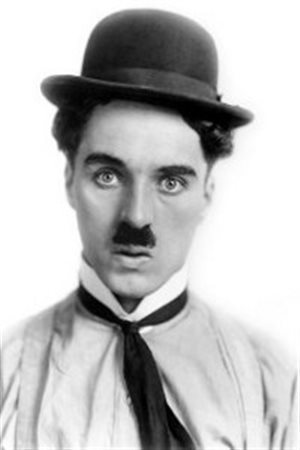
Charles Chaplin
Pawnbroker's assistant
Henry Bergman
Pawnbroker
Edna Purviance
His daughter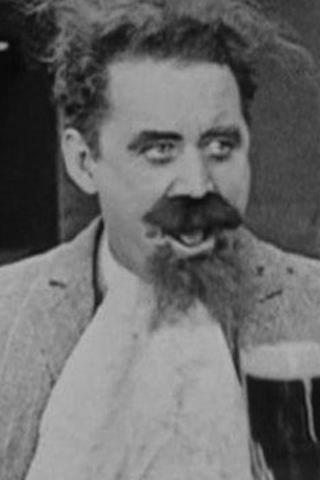
John Rand
Other assistant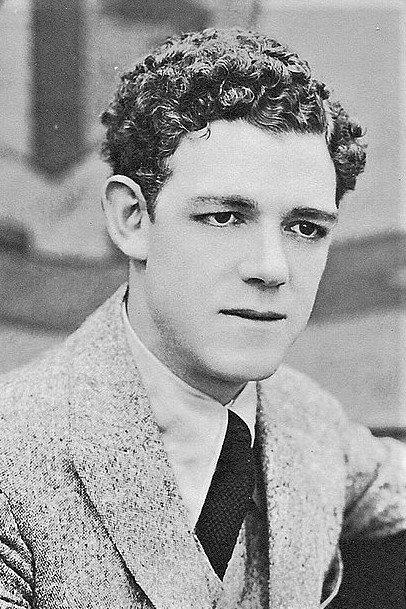
Albert Austin
Client with clock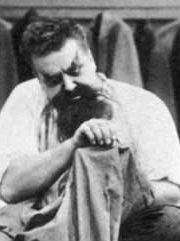
Eric Campbell
Crook
James T. Kelley
Old bum (as James T Kelley)Frank J. Coleman
Policeman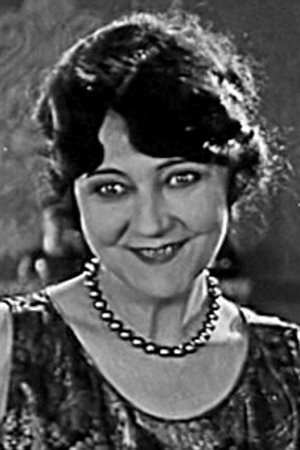
Charlotte Mineau
Customer (uncredited)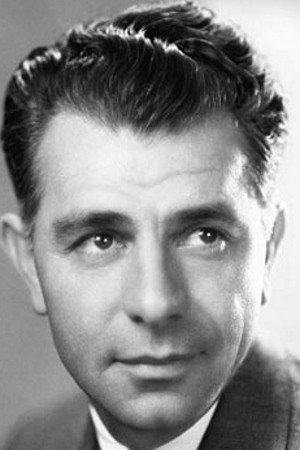
Wesley Ruggles
Client with Ring (uncredited)Charles Chaplin
DirectorCharles Chaplin
WriterVincent Bryan
WriterMaverick Terrell
WriterHenry P. Caulfield
ProducerCharles Chaplin
ProducerRoland Totheroh
CinematograpyGeorge C. 'Duke' Zalibra
CinematograpyCharles Chaplin
Editor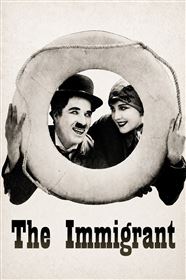
The Immigrant
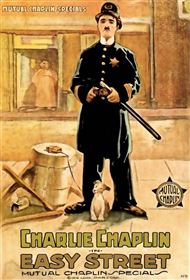
Easy Street

The Adventurer
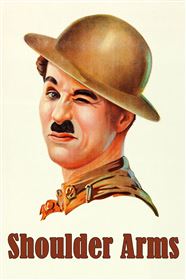
Shoulder Arms
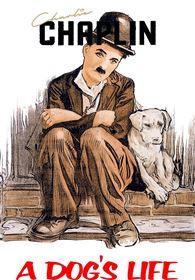
A Dog's Life
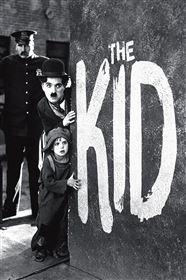
The Kid
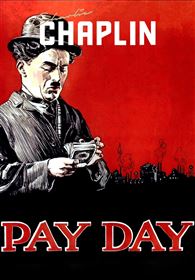
Pay Day
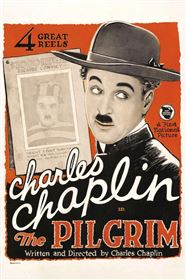
The Pilgrim
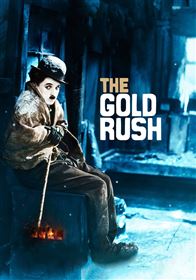
The Gold Rush

The Circus

City Lights
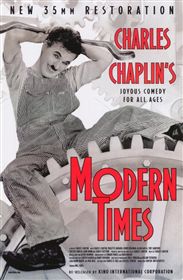
Modern Times

One Week
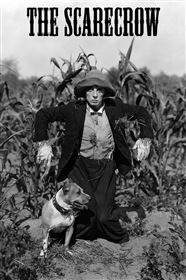
The Scarecrow
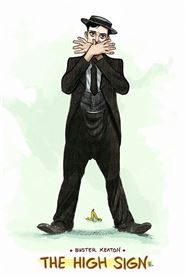
The 'High Sign'

Cops
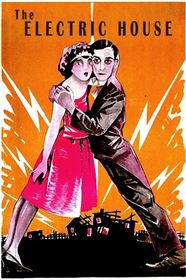
The Electric House
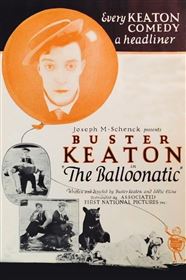
The Balloonatic
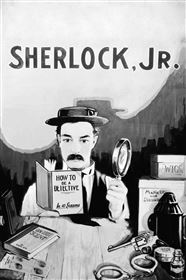
Sherlock Jr

Seven Chances

The Pawnshop
(Blu-ray)
8/20/2014