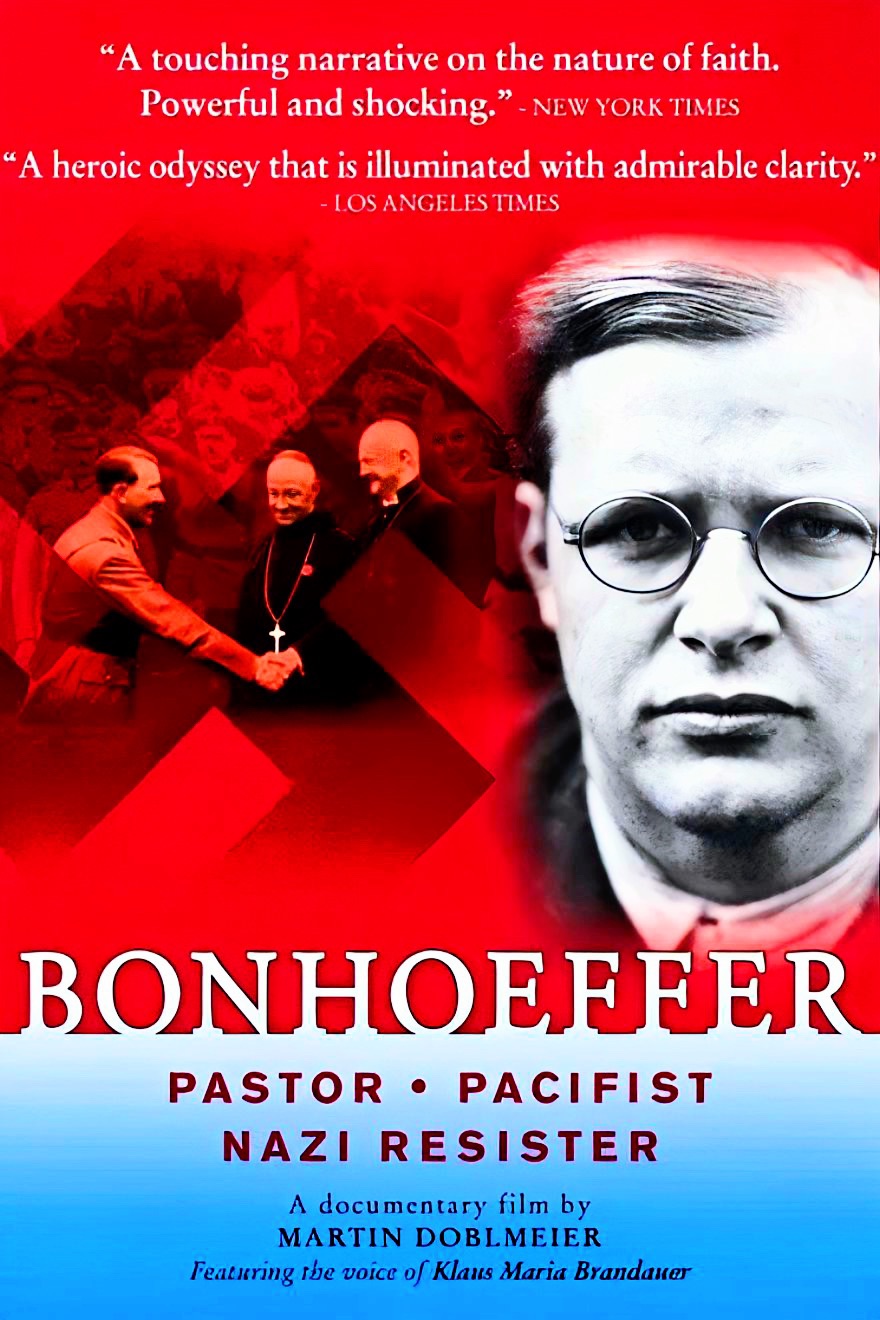
Bonhoeffer (2003)
Documentary · 6/19/2003


Description
This poignant documentary traces the life of German theologian Dietrich Bonhoeffer, who was one of the first to speak up against Adolph Hitler throughout Hitler's rise to power. Bonhoeffer organized the Confessing Church, the only structured revolt against Hitler, and turned to his roots as a devout Christian for the strength to take a political stand for Jews everywhere. Why did the German Church embrace Hitler and the Nazi Party? What was a good German, a deeply religious and pacifist man to do about it. Dietrich Bonhoeffer openly challenged his church to stand with the Jews in their time of need and eventually joined a plot to kill Hitler. The story of his life is interwoven with interviews of friends, family and students of Bonhoeffer, with historians and theologians and the words of Bonhoeffer himself, read by Klaus Maria Brandauer. One of the few clear voices of resistance to Hitler in 1930s Germany was also a rare dissenter from the tacit collaborators of the era's Christian churches: theologian Dietrich Bonhoeffer, whose efforts are chronicled in this film from director Martin Doblmeier. A pacifist, author, and leader of the Confessing Church, Bonhoeffer wrote and preached against the Nazi regime, using a radical new theology rooted in a mixture of traditional Christian thought, the African-American gospel of Harlem's Abyssinian Church, Gandhi's pragmatic nonviolence, and a clear-eyed response to the Nazi racism in his native Germany. Doblmeier examines Bonhoeffer's journey from novice theology student to coconspirator in a major plot to assassinate Hitler using the documentary style popularized by Ken Burns: narration accompanying slow pans across still photographs alternating with talking-head interviews with both his contemporaries (including several of Bonhoeffer's surviving students) and his spiritual/philosophical inheritors, such as South Africa's Bishop Desmond Tutu.







Martin Doblmeier
Narrator (voice)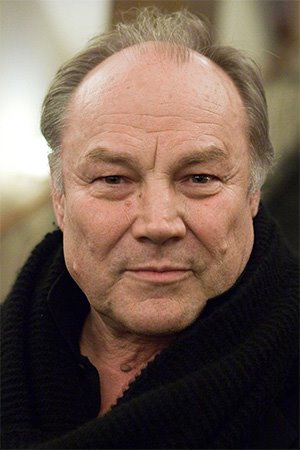
Klaus Maria Brandauer
Dietrich Bonhoeffer (voice)Adele Schmidt
Sabine (voice)Richard Mancini
Bishop Bell (voice)John Conway
HimselfWolfgang Huber
HimselfJohn De Gruchy
HimselfJean Lasserre
HimselfOtto Dudzus
HimselfVictoria Barnett
HerselfRenate Bethge
HerselfChristian Gremmels
HimselfDesmond Tutu
HimselfEberhard Bethge
HimselfWinfried Mächler
HimselfChristoph von Dohnányi
HimselfClifford Green
HimselfRuth Alice von Bismarck
HerselfPeter Hoffmann
HimselfGeffrey Kelly
HimselfMartin Doblmeier
DirectorMartin Doblmeier
Writer
Schindler's List

The Pianist
Sophie Scholl - The Final Days

Defiance

The Grey Zone
God on Trial

Into The Arms Of Strangers - Stories Of The Kindertransport

The Book Thief
Jakob the Liar
Downfall

Life Is Beautiful

Resistance

Sarah's Key

Alone In Berlin

A Hidden Life
Rosenstrasse

Max Manus: Man of War

Flame and Citron: The Nazi Assassins

The Counterfeiters

Black Book
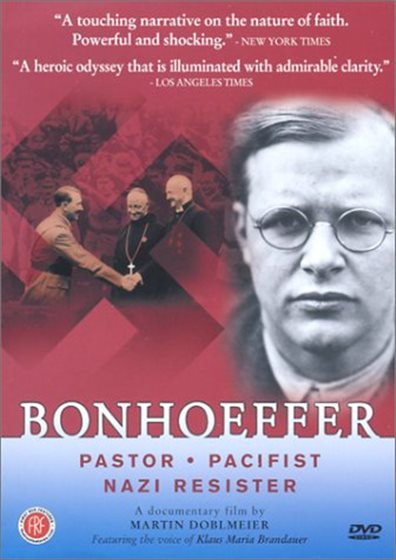
Bonhoeffer
(DVD)
4/20/2004


