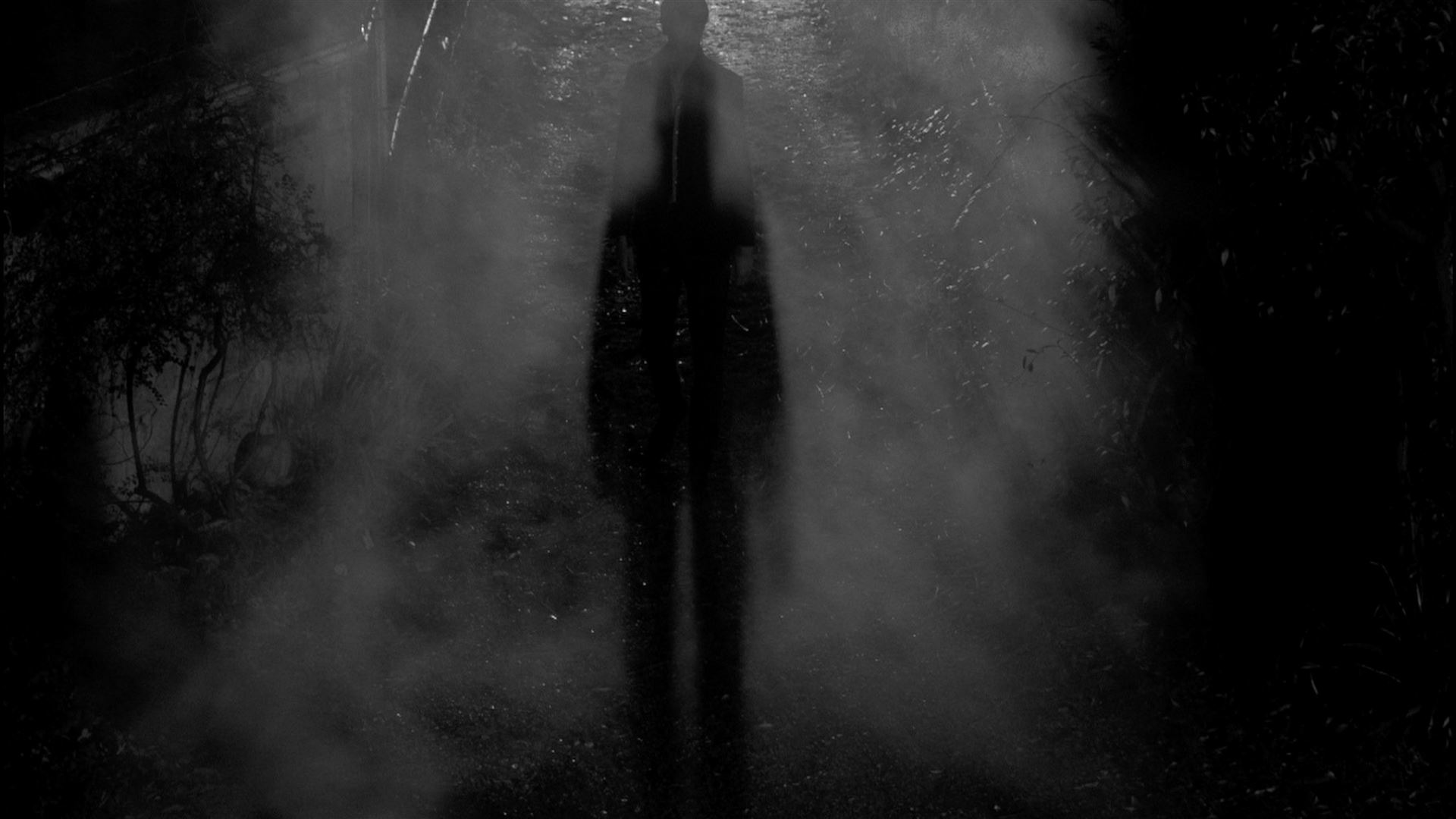

The Girl with Two Faces (2016)
10/14/2016


Description
The Girl with Two Faces centers on a young woman whose life is shaped by a deep inner conflict between who she appears to be and who she truly is. Outwardly, she leads a calm, ordinary existence, carefully maintaining a façade that allows her to fit into her surroundings. Beneath this surface, however, she struggles with a fractured sense of identity and a past marked by emotional wounds she has never fully confronted. As the story unfolds, her carefully balanced life begins to crack when relationships from her past resurface and new encounters force her to face uncomfortable truths. Memories, guilt, and suppressed desires blur the line between reality and self-perception, making it increasingly difficult for her to distinguish which version of herself is in control. The “two faces” of the title reflect not only the roles she plays for others, but also the opposing forces within her own mind. The film moves at a restrained, psychological pace, focusing on mood and character rather than plot-driven action. Through subtle shifts in behavior and atmosphere, it explores themes of identity, repression, and the cost of living behind a mask. Ultimately, The Girl with Two Faces is an intimate character study about self-acceptance, suggesting that healing can only begin when both sides of the self are acknowledged and reconciled.




Estelle Halimi
Clarisse / HélèneAndréa-Laure Finot
Clarisse / HélèneTimothy Cordukes
Marc
David Forgit
LagardeFranck Leroux
MoreauRomain Serir
DirectorRomain Serir
Writer
The Skin I Live In

Goodnight Mommy

The Orphanage

Stoker
Triangle

Hidden
The Guest

The Gift

Coherence

Enemy

Under The Skin

Ex Machina

The Invitation

It Comes at Night

Personal Shopper
Nocturnal Animals

A Cure for Wellness
The Killing Of A Sacred Deer

The Lodge

Vivarium


