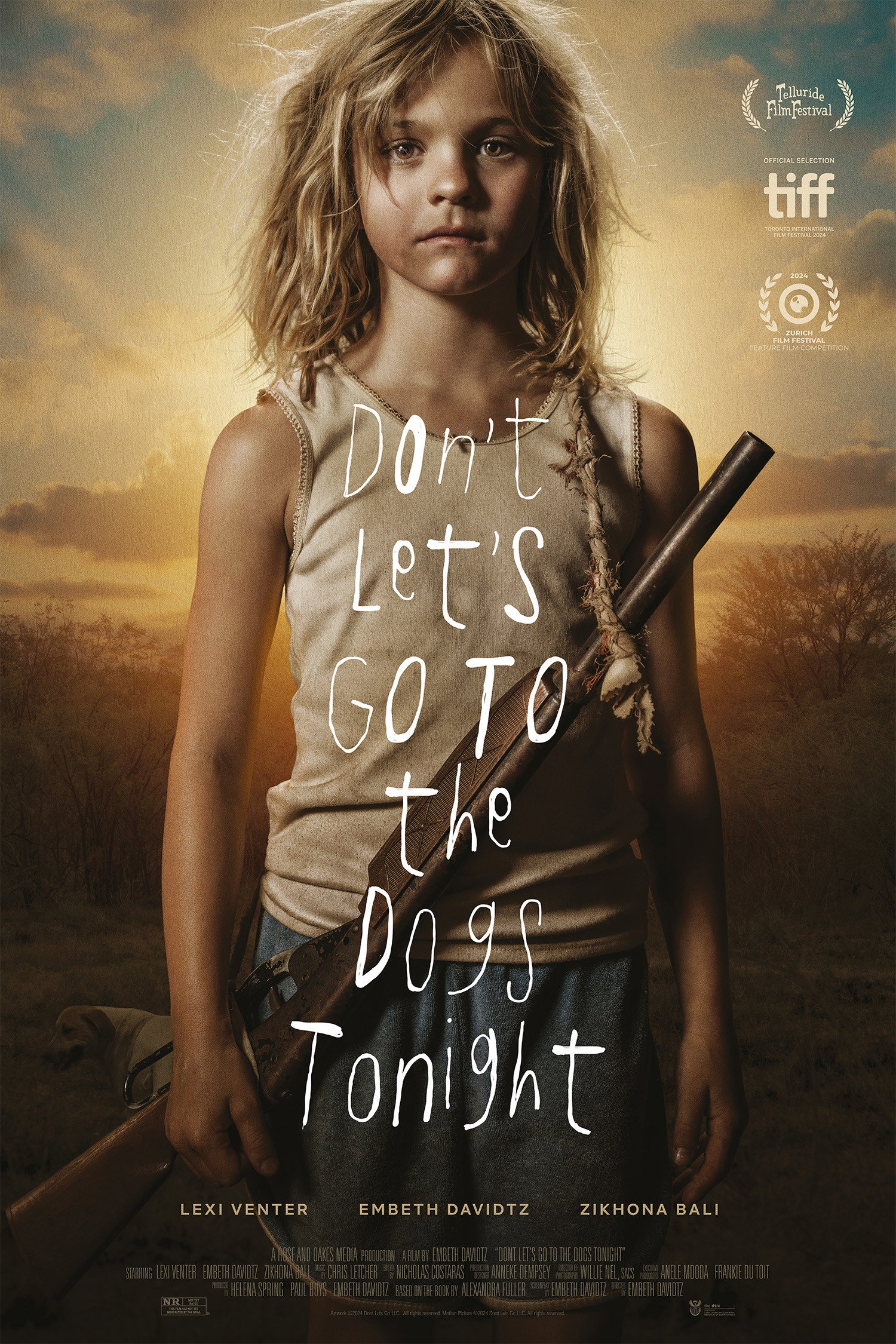
Don't Let's Go to the Dogs Tonight (2024)
1h 39m · 8/30/2024


Description
Don’t Let’s Go to the Dogs Tonight (2024) is a coming-of-age drama set in war-torn Rhodesia during the final years of white minority rule, seen through the eyes of a young girl growing up on a struggling family farm. As political violence edges closer to their isolated home, everyday life becomes a fragile balance between routine, fear, and denial. The child observes the world around her with a mixture of innocence and sharp perception. Her parents, shaped by exhaustion and unspoken trauma, attempt to preserve a sense of normalcy while their authority—both personal and societal—slowly erodes. The farm, once a symbol of stability and ownership, becomes increasingly vulnerable as tensions between settlers and the surrounding population escalate. As the conflict intensifies, the girl begins to understand the contradictions of the world she inhabits: privilege built on injustice, loyalty entangled with cruelty, and love shadowed by loss. Moments of childhood freedom clash with sudden eruptions of violence, forcing her to mature faster than she should. The film captures the psychological cost of living inside a collapsing system, portraying how denial, fear, and moral blindness can be inherited as easily as land. Through a deeply personal lens, Don’t Let’s Go to the Dogs Tonight explores memory, identity, and the painful awakening that comes when a child realizes the world she knows cannot—and should not—last.





Lexi Venter
Bobo Fuller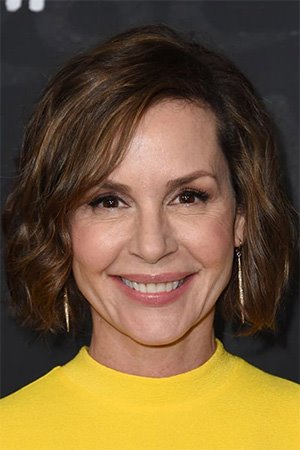
Embeth Davidtz
Nicola FullerZikhona Bali
SarahAnina Reed
Vanessa FullerShilubana N Fumani
Jacob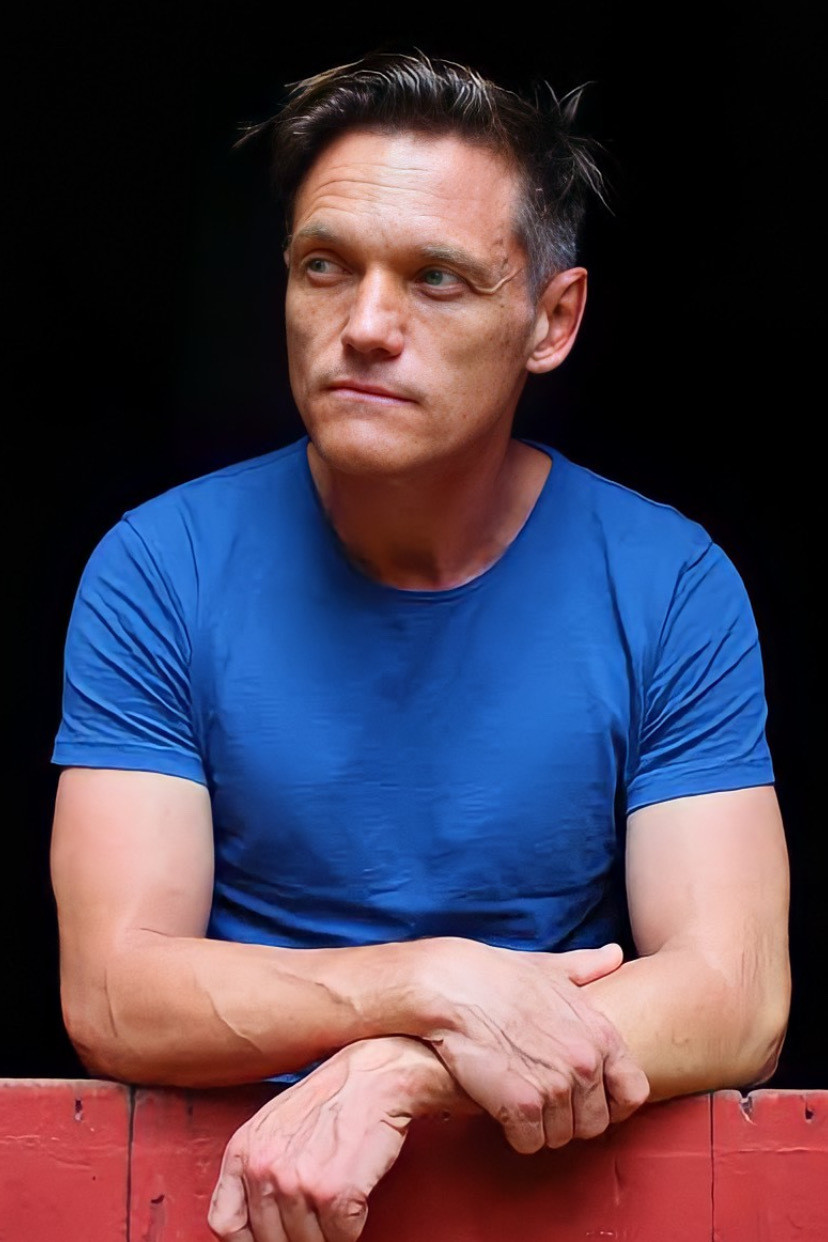
Rob van Vuuren
Tim FullerBenjamin Ashby
MartinBlake Rose Backos
SharnellAvumile Bavuma
CecilyIlana Cilliers
JillyDylan Clausing
Medic #1Andreas Damm
BrightlightIvor Davidtz
The DudeMichelle Davidtz
The Dude's WifeZyx de Melo
HarryJudy Ditchfield
GrandmotherStephan S du Plessis
Policeman #1Rene Duffey
Farmer Wife #1Deon Ferreira
GeorgePaisley-Gray Fine
CharlieRicardo Genesis
LuckyAnthony Grewe
Medic #2Lara Hattingh
Farmer Wife #2Rigardt Hug
Policeman #4
Craig Jackson
Farmer #1
Tessa Jubber
Aunt SannieMalachi Kaluw
Oldest Compound BoyCharles Kies
Farmer #2Martelize Kolver
MargieEdwin Lekgwate
Prisoner #3Banele Majola
Youngest Compound BoyShawn Manamela
HenryDonovan Margocszi
Rhodesian SoldierRonald Mkwanazi
Samuel
Fezile Mpela
CharlieMudi Mudau
PennyPumla Ndlazi
MaggieCarel Nel
RobSiyanda Nhlapo
Policeman #3Junior Nkosi
PeterLwazi Ntshangase
Prisoner #1
Gontse Ntshegang
Maria
Albert Pretorius
AntonSello Ramolahloane
MacKagiso Rathebe
Club BarmanHendie Schoeman
Policeman #2Ayanda Seoka
BeautyNqobile Sipamla
MabelSandile Skhosana
JeremiahScott David Sole
Duncan
Peter Terry
GrandfatherLogan Venter
LoganThuthuka Vilakazi
Police ConstableLexey Anne Wild
Baby OliviaLylah Rose Wild
Baby OliviaKara du Toit
Farmer's WifeEmbeth Davidtz
DirectorEmbeth Davidtz
WriterAlexandra Fuller
Writer
The Glass Castle
Captain Fantastic

Wild
Lion

Room

The Florida Project
Leave No Trace

Minari
C'mon C'mon
Tully
Beasts of the Southern Wild
Short Term 12

Captain Phillips
Fruitvale Station

Mud

Lady Bird
Boyhood

20th Century Women
The Farewell
Aftersun


