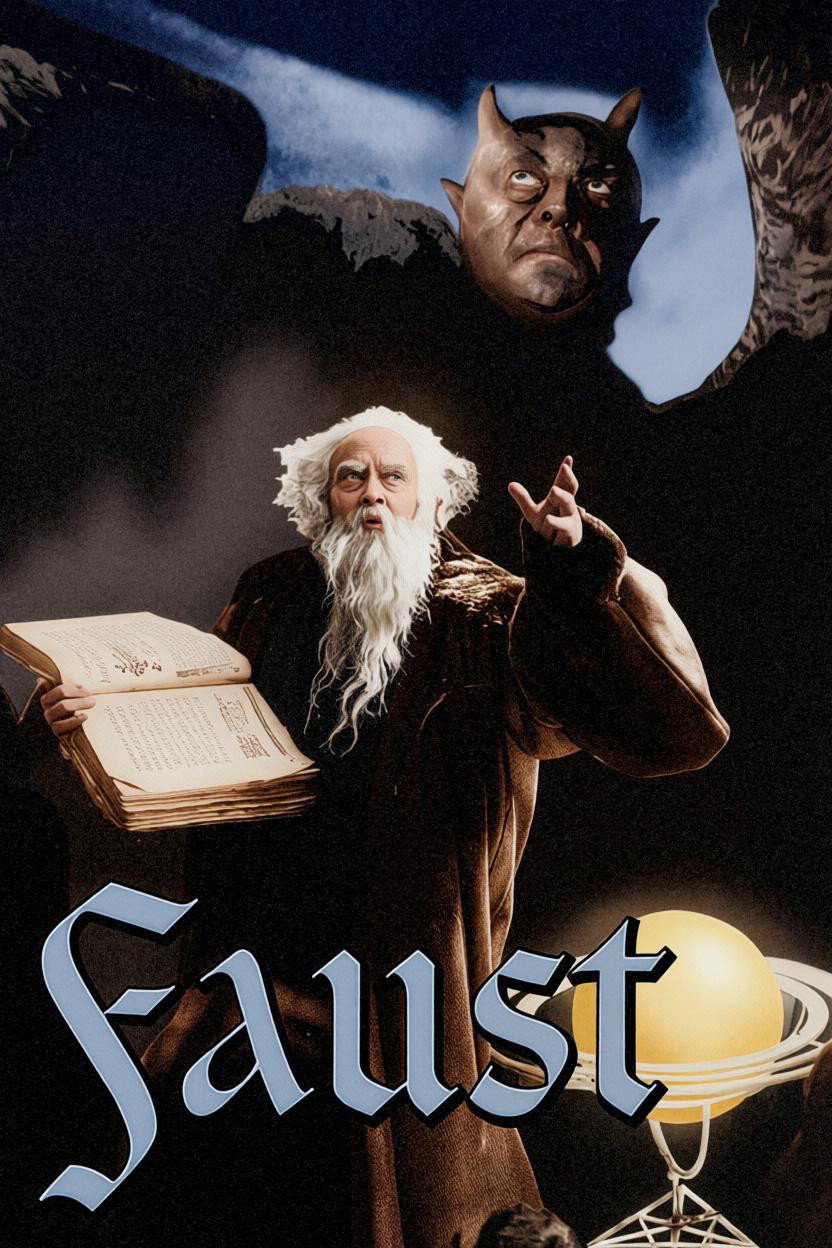
Faust (1926)
Horror/Fantasy/Drama · 1h 47m · 12/5/1926


Description
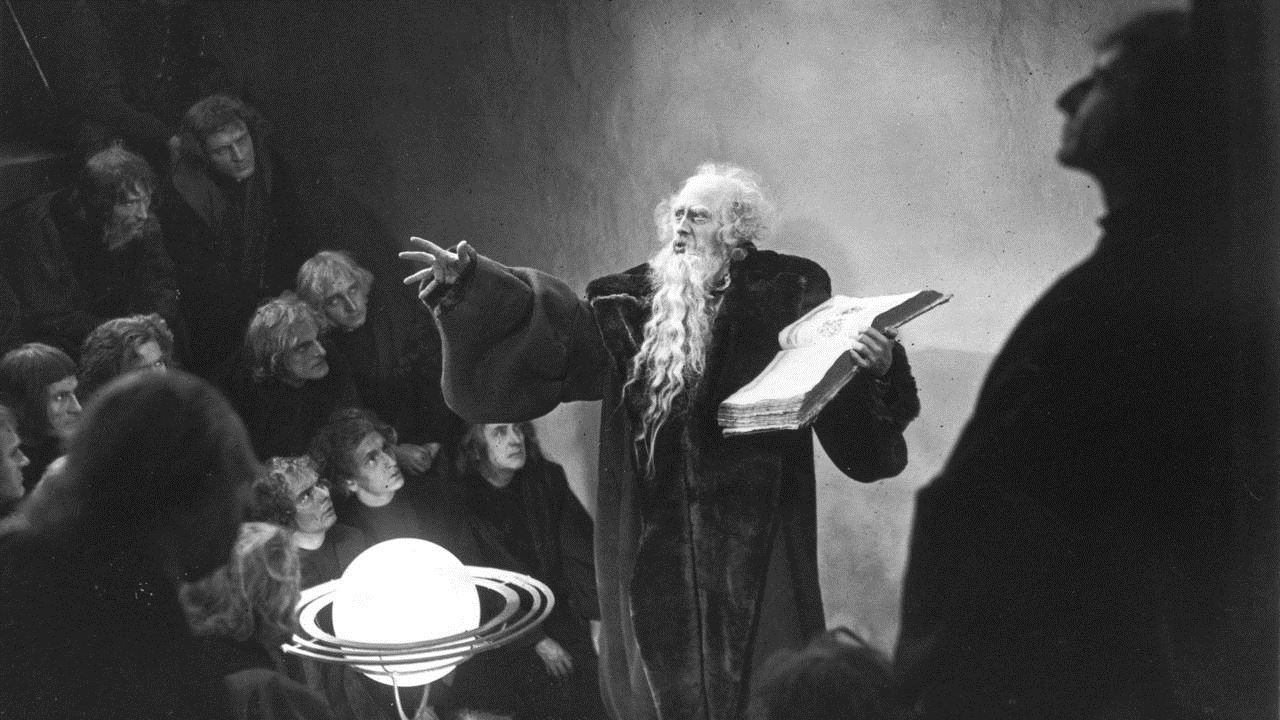
This lavish studio production of the frequently told story in which an elderly scholar makes a pact to sell his soul to the devil in exchange for eternal youth, was the last film Murnau made in Germany before he went to work in Hollywood. Faust, even more than Nosferatu, demonstrates Murnau's maturity in every aspect of his immense talent. For 1926 this was cinema at its purest. The production achieves the most extraordinary atmosphere, visual effects and imagery as a result of the combination of Carl Hoffmann's inspired camerawork, the sets of Robert Herlth and Walter Röhrig and Murnau's exceptional technical and creative ability, and expertise in translating text into visual beauty. It has been said that not even Fritz Lang could orchestrate such dynamic supernatural imagery and diabolical energy in a studio. The film begins with the Devil (Emil Jannings), boasting to the Archangel St. Michael that he can cause anyone on Earth to become completely corrupt. He decides that an alchemist named Faust should be his quarry. A bargain is struck: the agreement being that if this elderly man can be so thoroughly influenced that he will only commit evil - then Satan shall be given dominion over Earth. The Devil causes plague to descend upon Faust's village. Faust tries to discover a cure and invokes the Devil with whom he signs, in blood, a short term fiery pact that will help him eradicate the disease but the inhabitants refuse the Devil's medicine and Faust attempts to take his own life. Mephisto offers him eternal youth plus the love of Gretchen, a beautiful young girl, in exchange for his soul. Gretchen's brother Valentine is killed by Faust in a duel and, following Faust's flight from the district, the girl is left to be accused of murder and to burn at the stake. As she calls for help, Faust does renounce his youth, and his life to save her and demands that the Devil takes him directly to the place where Gretchen is to be executed. Both Gretchen and Faust are burned at the stake and subsequently ascend into Heaven - proving that Evil can be overcome by Love.








Gösta Ekman
Faust (as Gösta Ekmann)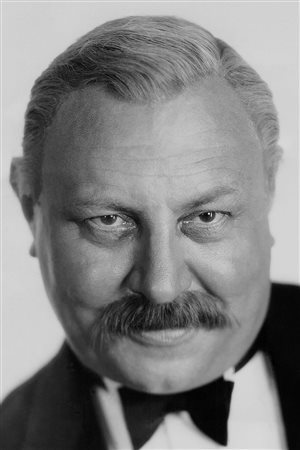
Emil Jannings
Mephisto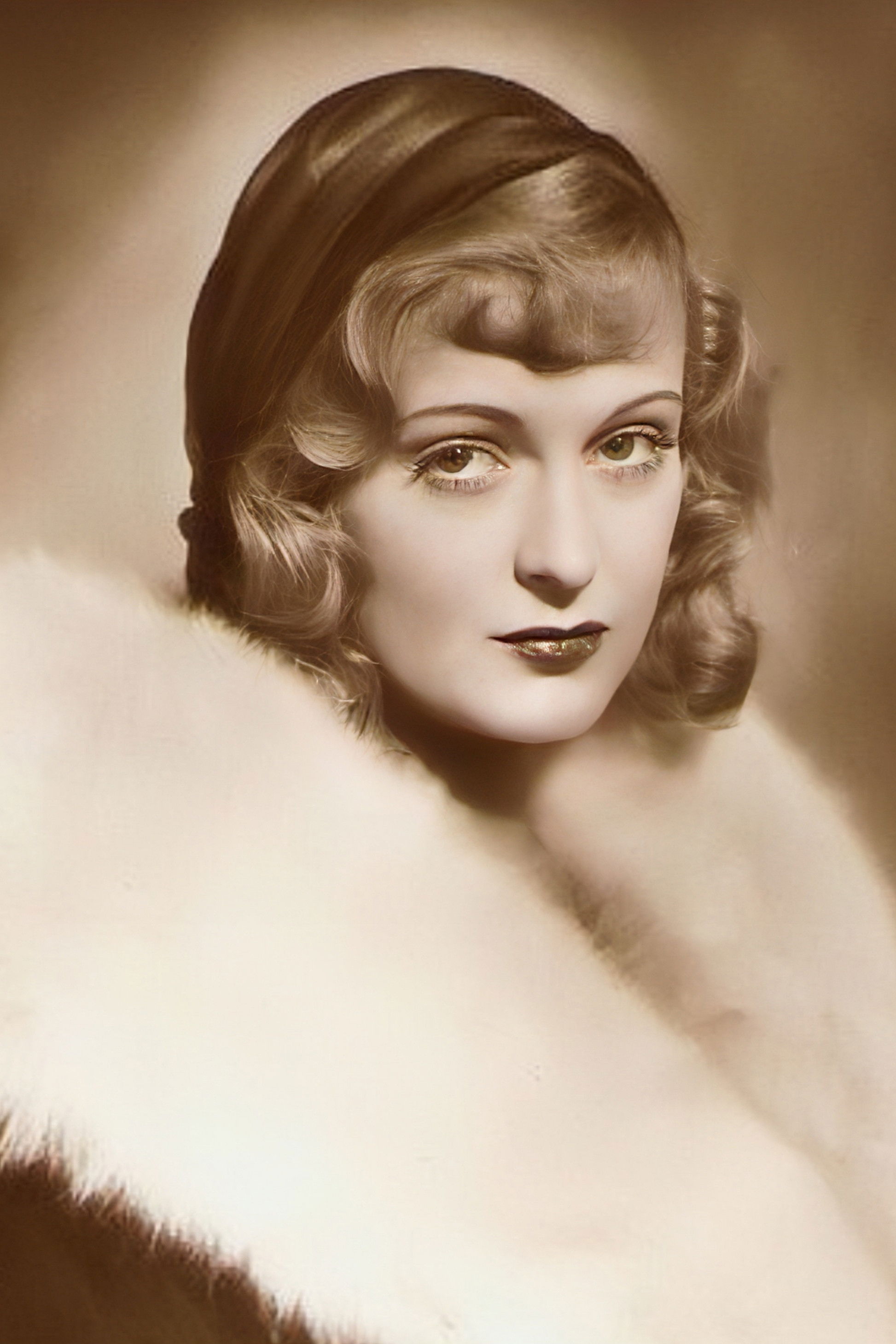
Camilla Horn
Gretchen / MargueriteFrida Richard
Gretchens Mutter / Marguerite's mother (as Frieda Richard)
William Dieterle
Valentin: Gretchens Bruder / Marguerite's brother (as Wilhelm Dieterle)Yvette Guilbert
Marthe Schwerdtlein: Gretchens Tante / Marguerite's aunt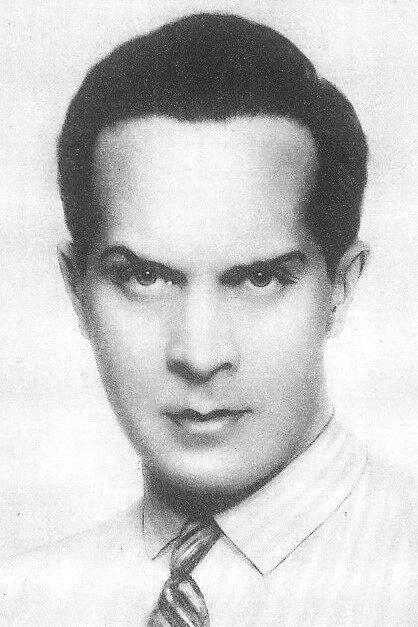
Eric Barclay
Herzog von Parma / Duke of Parma (as Eric Barcley)Hanna Ralph
Herzogin von Parma / Duchess of Parma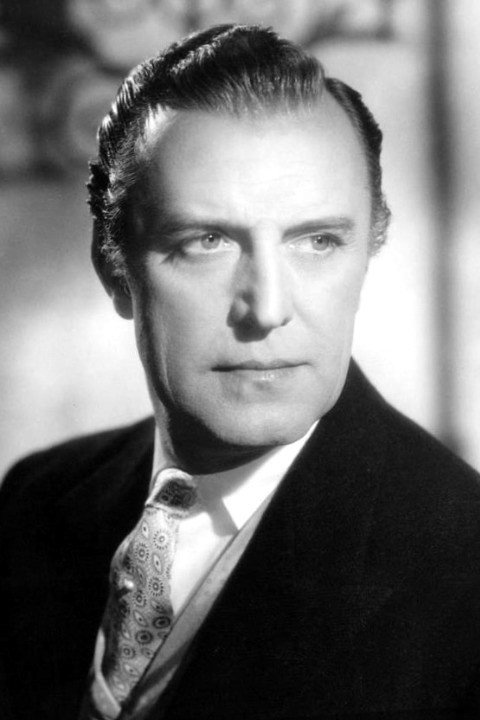
Werner Fuetterer
Erzengel / Archangel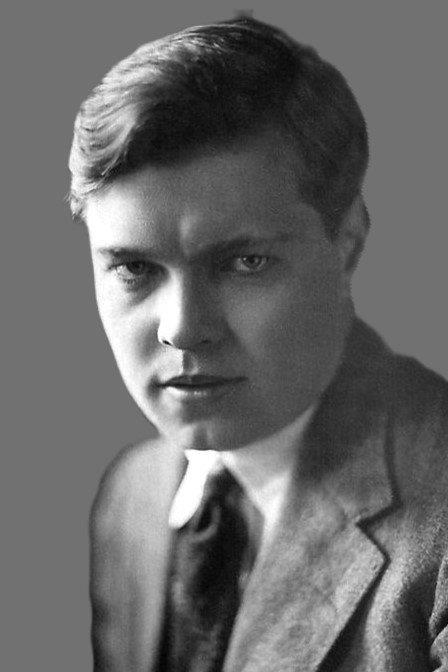
Hans Brausewetter
Bauernbursche / Farmboy (uncredited)Lothar Müthel
Mönch / Friar (uncredited)Hans Rameau
(uncredited)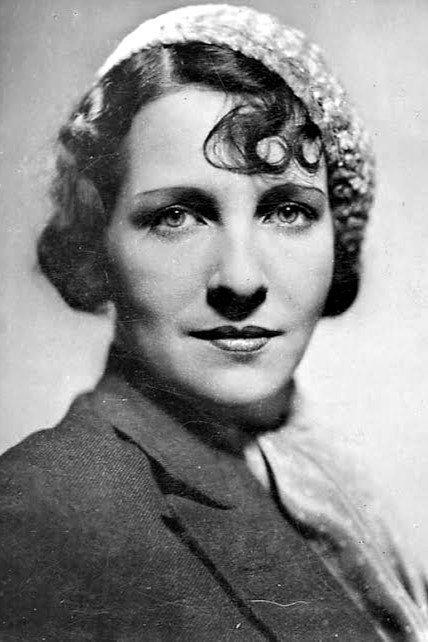
Hertha von Walther
(uncredited)Emmy Wyda
(uncredited)
F.W. Murnau
DirectorJohann Wolfgang Goethe
WriterGerhart Hauptmann
WriterHans Kyser
Writer
Erich Pommer
ProducerCarl Hoffmann
CinematograpyElfi Böttrich
EditorTimothy Brock
MusicStan Ambrose
MusicJavier Pérez de Azpeitia
MusicRobert Herlth
ArtWalter Röhrig
Art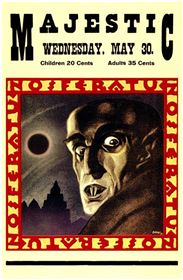
Nosferatu
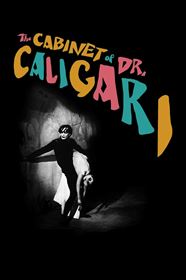
The Cabinet of Dr. Caligari
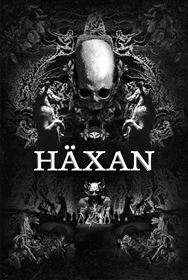
Häxan
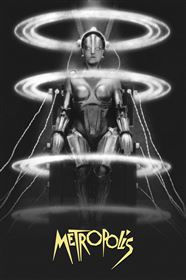
Metropolis
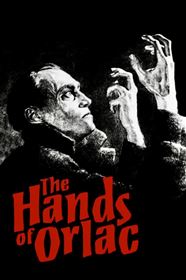
The Hands of Orlac
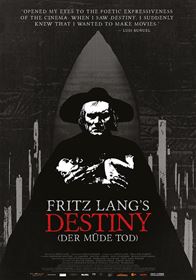
Destiny
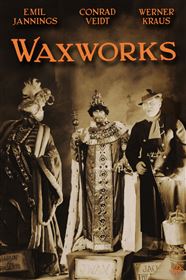
Waxworks
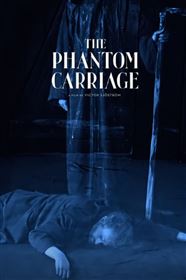
The Phantom Carriage
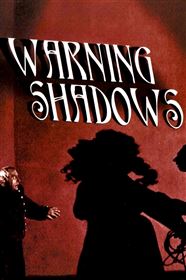
Warning Shadows
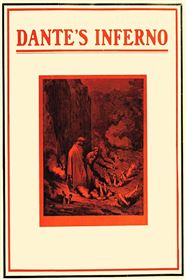
Dante's Inferno
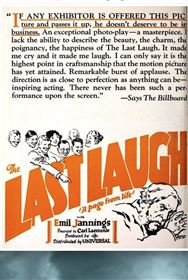
The Last Laugh
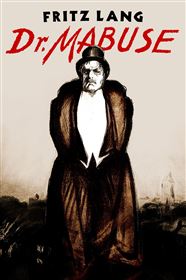
Dr. Mabuse, the Gambler
The Fall of the House of Usher
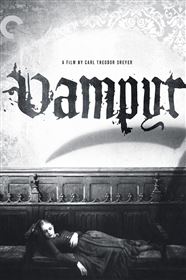
Vampyr

Island of Lost Souls
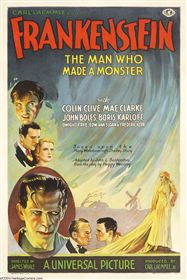
Frankenstein
The Testament of Dr. Mabuse

The Dybbuk
Eyes Without a Face
Black Sunday (The Mask of Satan)
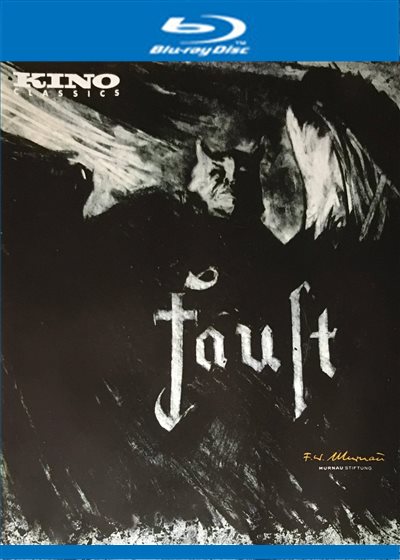
Faust
(Blu-ray, Keep Case (HD Slim, Low))
11/17/2015
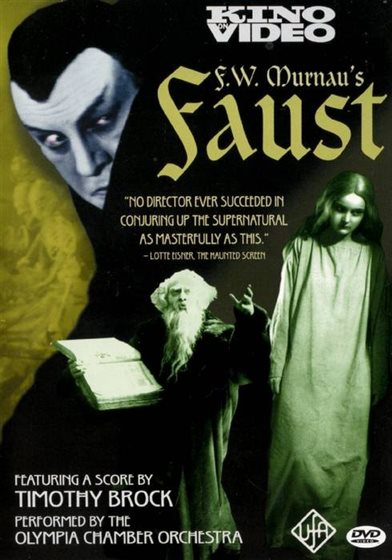
Faust
(DVD, Keep Case (Std.))
6/5/2001
Faust
(DVD)
9/1/2008
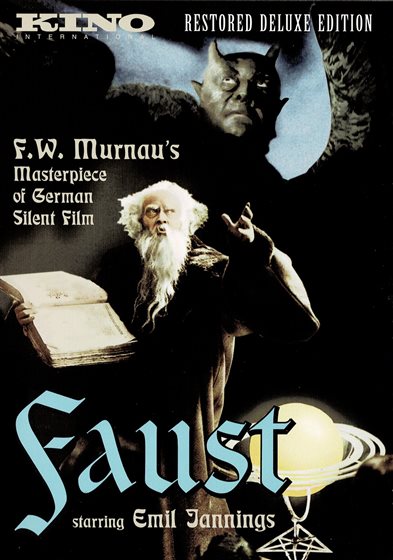
Faust
(DVD, Keep Case (Std.))
3/17/2009
$23.47


