
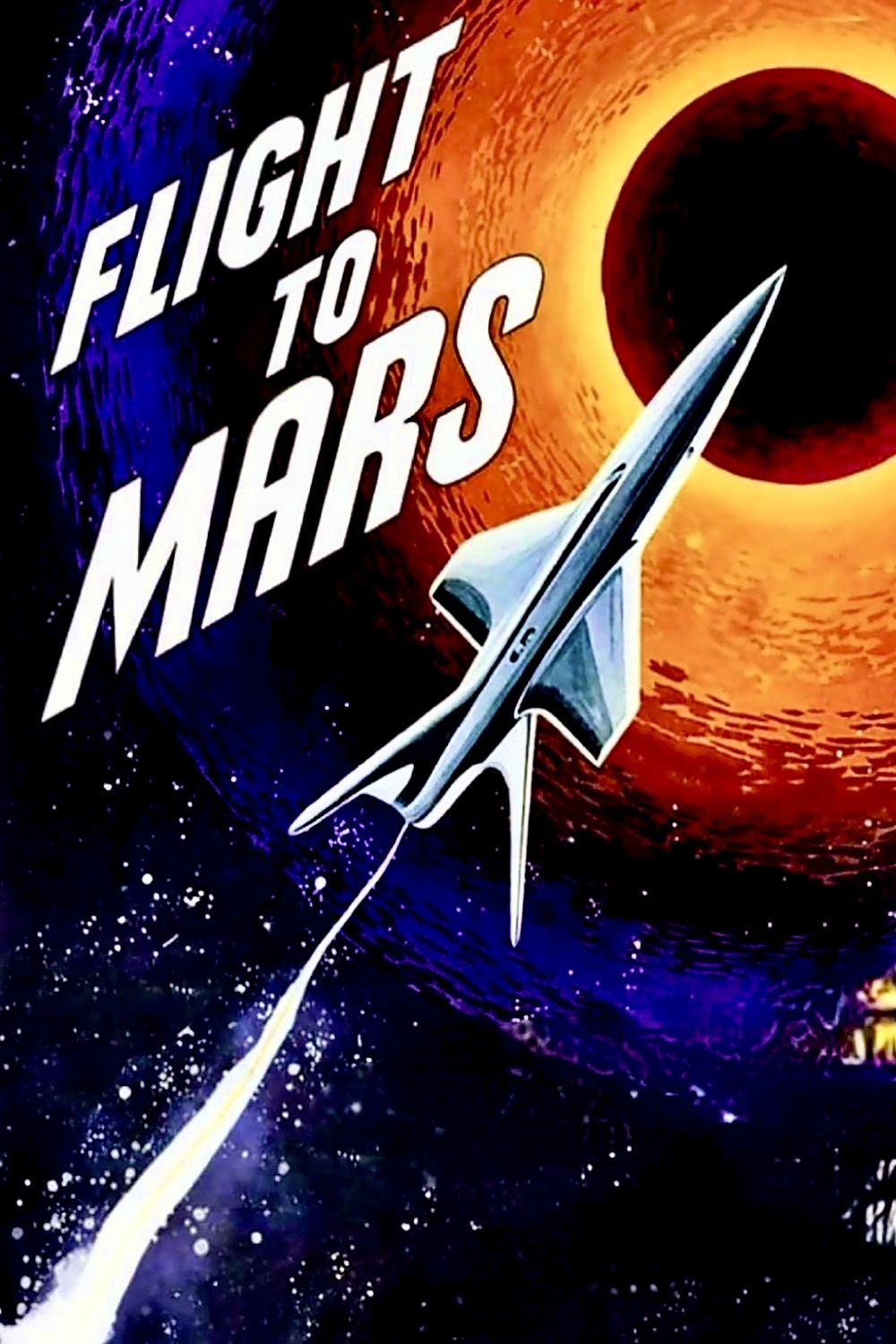
Flight to Mars (1951)
Adventure/Science-Fiction · 1h 12m · 11/11/1951


Description
Flight to Mars is a 1951 Cinecolor science fiction film, written for the screen by Arthur Strawn, produced by Walter Mirisch for Monogram Pictures (which also distributed) and directed by Lesley Selander. The film has some similarities to the Russian silent film Aelita. The movie was filmed in five days.[1] Four men and a girl crash-land on the red planet Mars after suffering severe damage in a meteor storm enroute. Finding an advanced and seemingly benevolent civilization living in underground cities, help is given in the repair of the rocketship--however, a sinister plot is discovered that could mean the annihilation of Earth by an invading Martian army. Tense, terrifying action on a planet of forbidden dangers. Produced by Academy Award-winning producer Walter Mirisch in other-worldly hues of two-color Cinecolor, "Flight to Mars" is '50s nostalgia at its imaginative best and is a must for science fiction and adventure lovers. Plot The story involves the arrival on Mars of an American scientific expedition team, who discover an underground-dwelling, dying civilization of Martians. They are anatomically human, and are suspicious of the earthmen's motives, with the majority of the governing body finally deciding to keep the earthmen prisoner. Production This film reuses almost all the cabin interior details from Rocketship X-M (Lippert Pictures, 1950, and filmed at another studio), except for some of the flight instruments. Even the spaceflight noises are reused. Similarly, the concepts of spaceflight are those postulated in that earlier film. The main differences are this film postulates a planned flight to Mars, whereas the earlier film postulates an accidental flight to Mars, which accident occurs during a planned flight to the Moon. Additionally, this film postulates a Martian species which is in many ways superior to Mankind, and poses a long-term, strategic threat there to, whereas the earlier film postulates a Martian species which is pre-literate, and a throw-back, as a consequence of a global nuclear holocaust which occurred many millennia earlier, and poses only an immediate, tactical threat to the voyagers. A sequel, Voyage to Venus was proposed but never made.[2]



Marguerite Chapman
Alita
Cameron Mitchell
Steve Abbott
Arthur Franz
Dr. Jim Barker
Virginia Huston
Carol Stafford
John Litel
Dr. Lane
Morris Ankrum
IkronRichard Gaines
Prof. Jackson
Lucille Barkley
Terris
Robert Barrat
Tillamar (as Robert H. Barratt)Wilbur Back
CouncilmanWilliam Bailey
Councilman
Trevor Bardette
Alzar
Stanley Blystone
CouncilmanDavid Bond
Ramay
Raymond Bond
Astronomer #2
Tristram Coffin
Commentator
Russ Conway
Astronomer #1
Edward Earle
Justin
William Forrest
Gen. ArcherEverett Glass
MontarPerc Launders
Workman
Anthony Marsh
AttendantBill Neff
Sergeant
Frank O'Connor
CouncilmanBob Peoples
Soldier
Lesley Selander
Director
Things to Come
Flash Gordon

Flash Gordon: Flash Gordon's Trip to Mars

Buck Rogers
Rocketship X-M

The Day the Earth Stood Still

The Man from Planet X
Red Planet Mars

Invaders from Mars

It Came from Outer Space
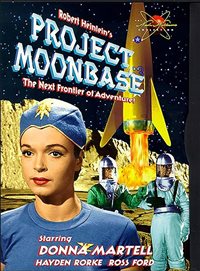
Project Moonbase

Devil Girl from Mars
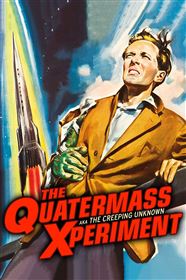
The Quatermass Xperiment

This Island Earth
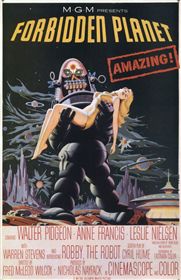
Forbidden Planet
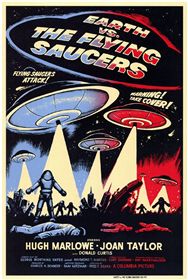
Earth vs. the Flying Saucers

It Conquered the World
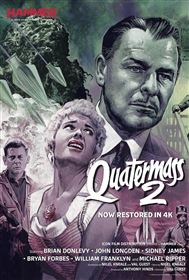
Quatermass 2
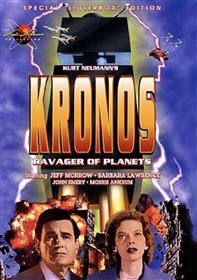
Kronos

The Brain From Planet Arous
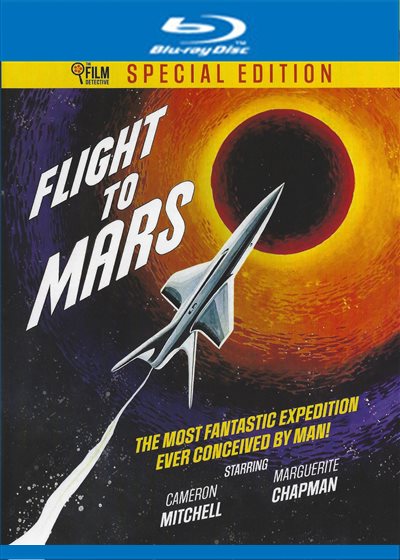
Flight to Mars
(Blu-ray, Keep Case (HD Slim, Low))
7/20/2021
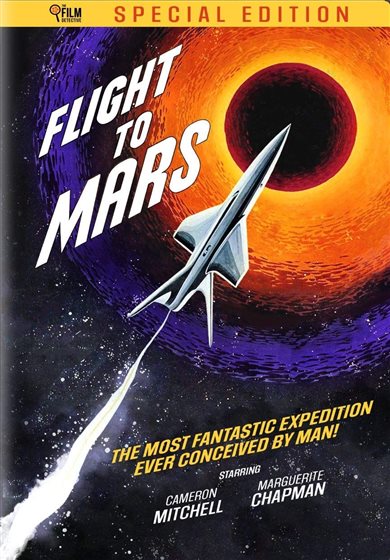
Flight to Mars
(DVD)
4/20/2021
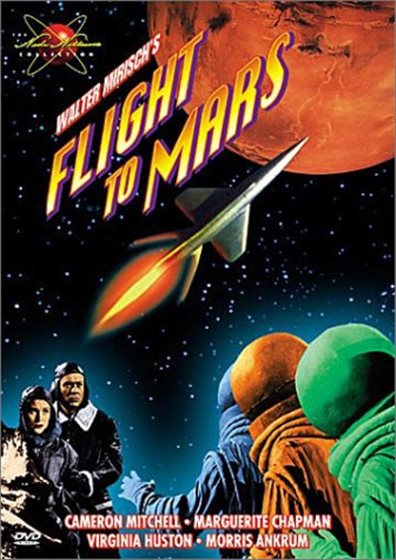
Flight to Mars
(DVD)
5/7/2002


