Roy Orbison
Biography
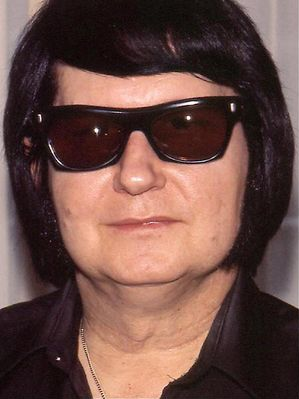
Roy Kelton Orbison (April 23, 1936 – December 6, 1988), nicknamed "The Big O," was one of the greatest American singer-songwriters and a pioneer of rock and roll whose recording career spanned more than four decades. By the mid-1960s Orbison was internationally recognized for his ballads of lost love, rhythmically advanced melodies, characteristic dark sunglasses, and occasional distinctive usage of falsetto, typified in songs such as "Only The Lonely," "In Dreams," "Oh, Pretty Woman," "Crying," and "Running Scared." In 1987 he was inducted into the Rock and Roll Hall of Fame and posthumously in 1989 into the National Academy of Popular Music/Songwriters Hall of Fame. Two misconceptions about Orbison's appearance continue to surface: that he was an albino, and that he wore his trademark dark glasses because he was blind or nearly so. Neither is correct, though his poor vision required him to wear thick corrective lenses. From childhood he suffered from a combination of hyperopia, severe astigmatism, anisometropia, and strabismus. Orbison's trademark sunglasses were a fashion statement arising from an incident early in his career. Orbison had left his regular glasses in an airplane. Due to go onstage in a few minutes and unable to see without corrective lenses, his only other pair of glasses were dark prescription sunglasses. "I had to see to get onstage," so he wore the glasses throughout his tour of England with the Beatles in 1963, and he continued the practice for the remainder of his professional career. "I'll just do this and look cool." However, Orbison once said in an interview that he wore his glasses on a plane because the sun was bright and forgot he was wearing them, especially while on stage. Shortly after he finished performing, he looked in the mirror and noticed he had not taken his glasses off, so he laughed about it and continued to wear them for the rest of his career.
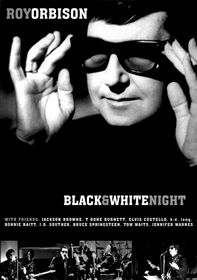
Roy Orbison - A Black & White Night
Himself
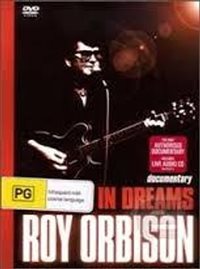
In Dreams: The Roy Orbison Story
Self

The Fastest Guitar Alive
Johnny
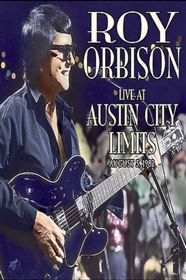
Roy Orbison: Live at Austin City Limits
Self
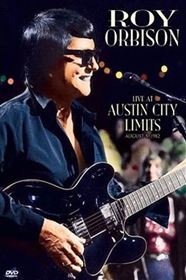
Roy Orbison - Live at Austin City Limits
Himself
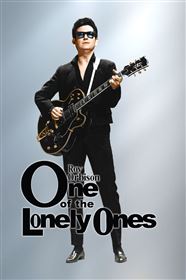
Himself (archive footage)
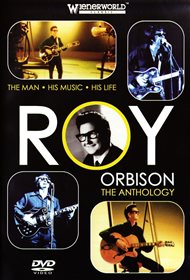
Roy Orbison: The Anthology
Self (archive footage)
The Travelling Willburys
Himself (as Lefty Wilbury)
The Richest Songs in the World
Himself (archive footage) (uncredited)
Traveling Wilburys: Handle with Care
Lefty Wilbury (uncredited)

It All Begins with a Song
Self (archive footage)
Himself (archive footage)

The Richest Songs in the World
Himself (archive footage) (uncredited)
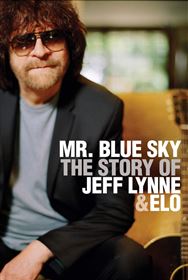
Mr Blue Sky: The Story of Jeff Lynne & ELO
Himself (archive footage)
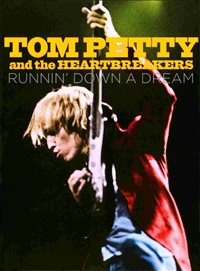
Tom Petty and the Heartbreakers: Runnin' Down a Dream
Himself
The Travelling Willburys
Himself (as Lefty Wilbury)
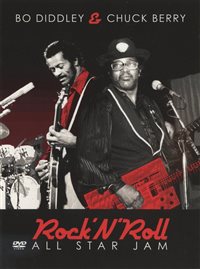
Bo Diddley & Chuck Berry: Rock 'N' Roll All Star Jam
Himself - DVD only
Roy Orbison - Live at Austin City Limits
Himself
Roy Orbison: The Anthology
Self (archive footage)
In Dreams: The Roy Orbison Story
Self
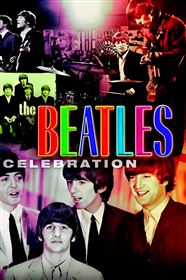
The Beatles Celebration
Himself (archive footage) (uncredited)
Roy Orbison - A Black & White Night
Himself
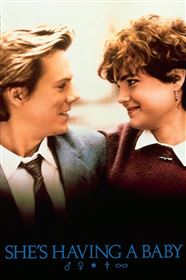
She's Having a Baby
Himself (uncredited)
Traveling Wilburys: Handle with Care
Lefty Wilbury (uncredited)
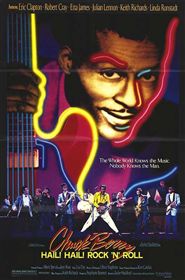
Hail! Hail! Rock N' Roll - Chuck Berry
Himself - DVD only
Roy Orbison: Live at Austin City Limits
Self
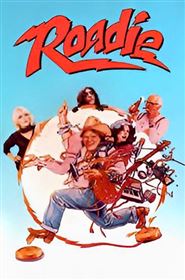
Roadie
Himself
The Fastest Guitar Alive
Johnny


