Dennis Banks
Biography
Dennis Banks (born April 12, 1937), a Native American leader, teacher, lecturer, activist and author, is an Anishinaabe born on Leech Lake Indian Reservation in northern Minnesota. Banks is also known as Nowa Cumig (Naawakamig in the Double Vowel System); his name in the Ojibwe language means "In the Center of the Ground." During his time in California from 1976 to 1983, Banks earned an associate's degree from the University of California, Davis and taught at Deganawida Quetzecoatl University (DQU), a Native American-controlled institute of alternative higher learning, where he became the first American Indian chancellor. He also established the first spiritual run from Davis to Los Angeles in 1978, which is now an annual event. In the spring of 1979 he taught at Stanford University. After Governor Brown left office, Banks received sanctuary from the Onondaga Nation in upstate New York in 1984. While in New York, Banks organized the Great Jim Thorpe Longest Run from New York to Los Angeles, where the goal was to restore the gold medals Thorpe had won at the 1912 Olympics to the Thorpe family. In 1985 Banks left Onondaga to surrender to law enforcement officials in South Dakota and served 18 months in prison. When he was released, he worked as a drug and alcohol counselor on the Pine Ridge Indian Reservation. During 1987, grave robbers in Uniontown, Kentucky were halted in their digging for artifacts in American Indian grave sites. Banks was called in to organize the reburial ceremonies. His activities resulted in Kentucky and Indiana passing strict legislation against grave desecration. He has had roles in the movies War Party, The Last of the Mohicans, and Thunderheart. The musical release Still Strong, featuring Banks' original work as well as traditional Native American songs, was completed in 1993. He can also be heard on other albums: Peter Gabriel's Les Musiques du Monde, Peter Matthiessen's No Boundaries. In 2006, Banks led Sacred Run 2006 a spiritual run from San Francisco's Alcatraz Island to Washington, D.C. The runners followed the ancient Native American tradition of bringing a message of "Land, Life and Peace" from village to village. They travelled about 100 miles every day, and entered Washington, D.C. on Earth Day, April 22, 2006. Along the way, they took a southern route, in solidarity with those who are rebuilding after hurricanes Katrina and Rita. Major events were held in Albuquerque, New Orleans, Philadelphia, Knoxville, and Washington, D.C. Over the past 28 years since "The Longest Walk" in 1978, Sacred Runs have become an international movement. Sacred Run 2006 had runners from Japan, Australia, Ireland, and Canada as well as many from the United States. Current information on Dennis Banks' activities can be found on the Web sites of the Nowa Cumig Institute and SacredRun.org.


Pride
Ticket Inspector (uncredited)
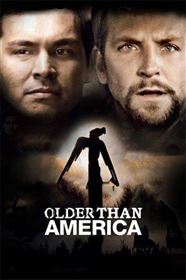
American Evil
Pete Goodfeather
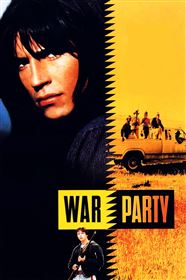
War Game
Ben Crowkiller / Dead Crow Chief
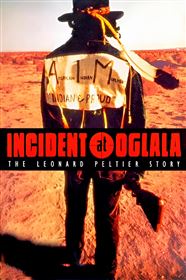
Incident at Oglala
Self - Co-Founder American Indian Movement

Sing Your Song
Self
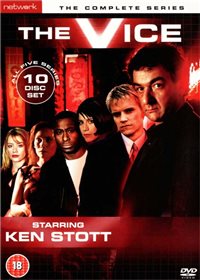
The Vice: The Complete First Season
Custody Sergeant (3 episodes, 1999)
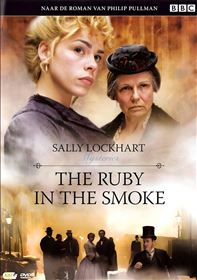
Ruby In the Smoke
Cabbie
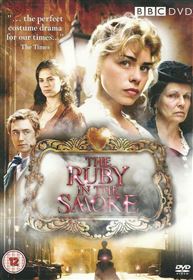
The Ruby In The Smoke
Cabbie
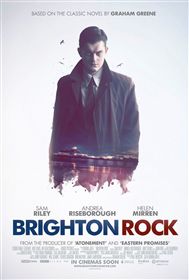
Brighton Rock
Barman
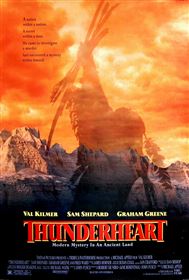
Thunderheart
Himself
Pride
Ticket Inspector (uncredited)
Sing Your Song
Self
Brighton Rock
Barman
American Evil
Pete Goodfeather

The Broken
Doorman
Ruby In the Smoke
Cabbie
The Ruby In The Smoke
Cabbie
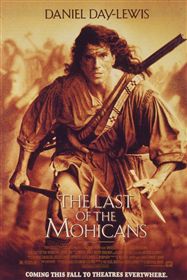
The Last of the Mohicans
Ongewasgone
Incident at Oglala
Self - Co-Founder American Indian Movement
Thunderheart
Himself
War Game
Ben Crowkiller / Dead Crow Chief
The Vice: The Complete First Season
Custody Sergeant (3 episodes, 1999)


