John Williams
Biography
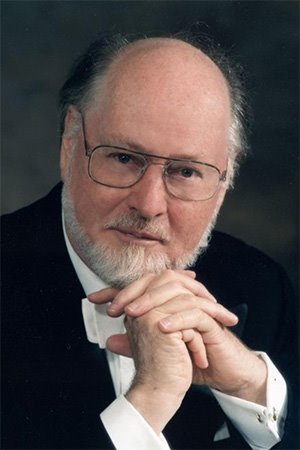
As one of the best known, awarded, and financially successful composers in US history, John Williams is as easy to recall as John Philip Sousa, Aaron Copland or Leonard Bernstein, illustrating why he is "America's composer" time and again. With a massive list of awards that includes over 41 Oscar nominations (five wins), twenty-odd Gold and Platinum Records, and a slew of Emmy (two wins), Golden Globe (three wins), Grammy (18 wins), National Board of Review (including a Career Achievement Award), Saturn (six wins), and BAFTA (seven wins) citations, along with honorary doctorate degrees numbering in the teens, Williams is undoubtedly one of the most respected composers for Cinema. He's led countless national and international orchestras, most notably as the nineteenth conductor of the Boston Pops Orchestra from 1980-1993, helming three Pops tours of the US and Japan during his tenure. He currently serves as the Pop's Conductor Laureate. Also to his credit is a parallel career as an author of serious, and some not-so-serious, concert works - performed by the likes of Mstislav Rostropovich, André Previn, Itzhak Perlman, Yo-Yo Ma, Gil Shaham, Leonard Slatkin, James Ingram, Dale Clevenger, and Joshua Bell. Of particular interests are his Essay for Strings, a jazzy Prelude & Fugue, the multimedia presentation American Journey (aka The Unfinished Journey (1999)), a Sinfonietta for Winds, a song cycle featuring poems by Rita Dove, concerti for flute, violin, clarinet, trumpet, tuba, cello, bassoon and horn, fanfares for the 1984, 1988 and 1996 Summer Olympics, the 2002 Winter Olympics, and a song co-written with Alan Bergman and Marilyn Bergman for the Special Olympics! But such a list probably warrants a more detailed background... Born in Long Island, New York on February 8, 1932, John Towner Williams discovered music almost immediately, due in no small measure to being the son of a percussionist for CBS Radio and the Raymond Scott Quintet. After moving to Los Angeles in 1948, the young pianist and leader of his own jazz band started experimenting with arranging tunes; at age 15, he determined he was going to become a concert pianist; at 19, he premiered his first original composition, a piano sonata. He attended both UCLA and the Los Angeles City College, studying orchestration under MGM musical associate Robert Van Eps and being privately tutored by composer Mario Castelnuovo-Tedesco, until conducting for the first time during three years with the U.S. Air Force. His return to the states brought him to Julliard, where renowned piano pedagogue Madame Rosina Lhevinne helped Williams hone his performance skills. He played in jazz clubs to pay his way; still, she encouraged him to focus on composing. So it was back to L.A., with the future maestro ready to break into the Hollywood scene. Williams found work with the Hollywood studios as a piano player, eventually accompanying such fare such as the TV series "Peter Gunn" (1958), South Pacific (1958), Some Like It Hot (1959), The Apartment (1960), and To Kill a Mockingbird (1962), as well as forming a surprising friendship with Bernard Herrmann. At age 24, "Johnny Williams" became a staff arranger at Columbia and then at 20th Century-Fox, orchestrating for Alfred Newman and Lionel Newman, Dimitri Tiomkin, Franz Waxman, and other Golden Age notables. In the field of popular music, he performed and arranged for the likes of Vic Damone, Doris Day, and Mahalia Jackson... all while courting actress/singer Barbara Ruick, who became his wife until her death in 1974. John & Barbara had three children; their daughter is now a doctor, and their two sons, Joseph Williams and Mark Towner Williams, are rock musicians. The orchestrating gigs led to serious composing jobs for television, notably "Alcoa Premiere" (1961), "Checkmate" (1960), "Gilligan's Island" (1964), "Lost in Space" (1965), "Land of the Giants" (1968), and his Emmy-winning scores for Heidi (1968) (TV) and Jane Eyre (1970) (TV). Downbeat (1958) and Because They're Young (1960) brought his original music to the big theatres, but he was soon typecast doing comedies. His efforts in the genre helped guarantee his work on William Wyler's How to Steal a Million (1966), however, a major picture that immediately led to larger projects. Of course, his arrangements continued to garner attention, and he won his first Oscar for adapting Fiddler on the Roof (1971). During the '70s, he was King of Disaster Scores with The Poseidon Adventure (1972), Earthquake (1974) and The Towering Inferno (1974). His psychological score for Images (1972) remains one of the most innovative works in soundtrack history. But his Americana - particularly The Reivers (1969) - is what caught the ear of director Steven Spielberg, then preparing for his first feature, The Sugarland Express (1974). When Spielberg reunited with Williams on Jaws (1975), they established themselves as a blockbuster team, the composer gained his first Academy Award for Original Score, and Spielberg promptly recommended Williams to a friend, George Lucas. In 1977, John Williams re-popularized the epic cinema sound of Erich Wolfgang Korngold, Franz Waxman and other composers from the Hollywood Golden Age: Star Wars: Episode IV - A New Hope (1977) became the best selling score-only soundtrack of all time, and spawned countless musical imitators. For the next five years, though the music in Hollywood changed, John Williams wrote big, brassy scores for big, brassy films - The Fury (1978), Superman (1978), 1941 (1979), Raiders of the Lost Ark (1981) ... An experiment during this period, Heartbeeps (1981), flopped. There was a long-term change of pace, nonetheless, as Williams fell in love with an interior designer and married once more. E.T. the Extra-Terrestrial (1982) brought about his third Oscar, and The River (1984), Empire of the Sun (1987), The Accidental Tourist (1988) and Born on the Fourth of July (1989) added variety to the 1980s, as he returned to television with work on "Amazing Stories" (1985) and themes for NBC, including "NBC Nightly News" (1970). The '80s also brought the only exceptions to the composer's collaboration with Steven Spielberg - others scored both Spielberg's segment of Twilight Zone: The Movie (1983) and The Color Purple (1985). Intending to retire, the composer's output became sporadic during the 1990s, particularly after the exciting Jurassic Park (1993) and the masterful, Oscar-winning Schindler's List (1993). This lighter workload, coupled with a number of hilarious references on "The Simpsons" (1989) actually seemed to renew interest in his music. Two Home Alone films (1990, 1992), JFK (1991), Nixon (1995), Sleepers (1996), Seven Years in Tibet (1997), Saving Private Ryan (1998), Angela's Ashes (1999), and a return to familiar territory with Star Wars: Episode I - The Phantom Menace (1999) recalled his creative diversity of the '70s. In this millennium, the artist shows no interest in slowing down. His relationships with Spielberg and Lucas continue in A.I. Artificial Intelligence (2001), the remaining Star Wars prequels (2002, 2005), Minority Report (2002), Catch Me If You Can (2002), and a promised fourth Indiana Jones film. There is a more focused effort on concert works, as well, including a theme for the new Walt Disney Concert Hall and a rumored light opera. But one certain highlight is his musical magic for the world of Harry Potter (2001, 2002, 2004, etc.), which he also arranged into a concert suite geared toward teaching children about the symphony orchestra. His music remains on the whistling lips of people around the globe, in the concert halls, on the promenades, in album collections, sports arenas, and parades, and, this writer hopes, touching some place in ourselves. So keep those ears ready wherever you go, 'cause you will likely hear a bit of John Williams on your way.
Ennio
Self
Double Trouble
Gerald Waverly
Josh Groban: In Concert
Conductor
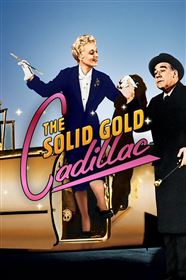
The Solid Gold Cadillac
John T. 'Jack' Blessington
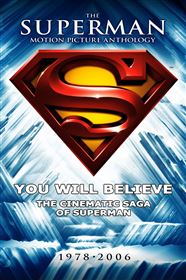
Self
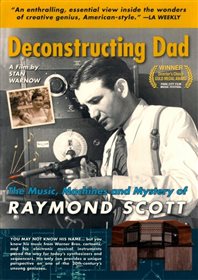
Deconstructing Dad: The Music, Machines and Mystery of Raymond Scott
Self
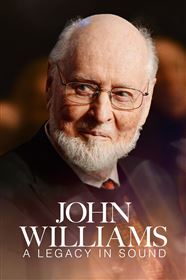
Self
Self
The Love Letter
Resident
D-Day the Sixth of June
Brig. Russell
Self
Self
Timeless Heroes: Indiana Jones and Harrison Ford
Self - Interviewee
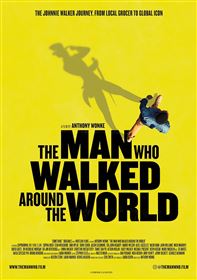
The Man Who Walked Around the World
Self - Interviewee
Ennio
Self
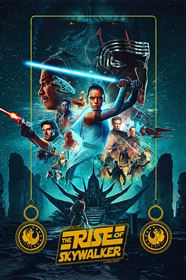
Star Wars: The Rise of Skywalker
Oma Tres
The Love Letter
Resident
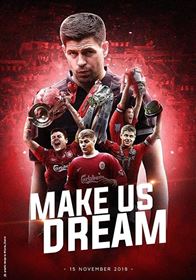
Make Us Dream
Himself
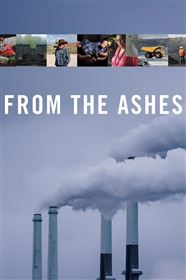
From the Ashe
Himself - Mayor of Colstrip, Montana
Mamaboy
Extra
Secrets of the Force Awakens: A Cinematic Journey
Himself
Self
Deconstructing Dad: The Music, Machines and Mystery of Raymond Scott
Self
Jaws: The Inside Story
Himself

Johnny Mercer: The Dream's on Me
Self
Fire From Below
Captain Ben Stephens
Self
The Alphabet Killer
Medic #1
Self

Oscarverleihung 2006
Himself - Nominee: Best Original Score
Within a Minute: The Making of 'Episode III'
Himself
Josh Groban: In Concert
Conductor
Self
The Stars of Star Wars - Interviews from the Cast
Himself
Traveller
Traveller Musician
Wild Malibu Weekend
Man Carrying Projectile
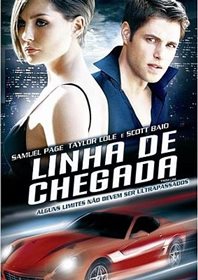
Crossing the Line
Leroy
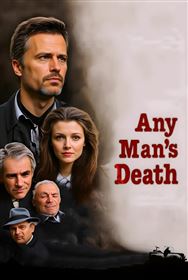
Any Man's Death
Boy on the Bike
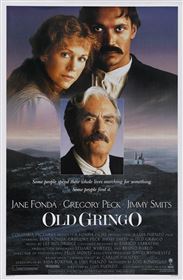
Old Gringo
Journalist #2
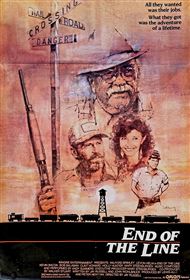
End Of The Line
Black guy (uncredited)
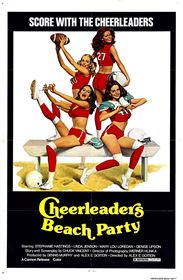
Cheerleaders Beach Party
Lee Williams
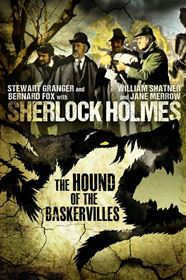
Der Hund von Baskerville
Arthur Frankland
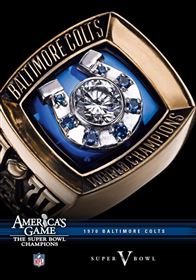
Super Bowl V
Himself - Baltimore Colts Right Guard
Double Trouble
Gerald Waverly
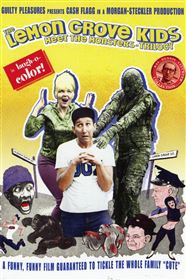
Lemon Grove Kids Meet the Monsters
Skinny (segment "The Lemon Grove Kids Meet the Green Grasshopper and the Vampire Lady From Outer Space") (as J. Jay Hartford)
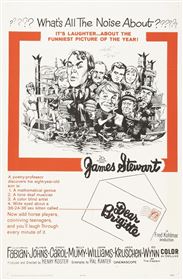
Dear Brigitte
Peregrine Upjohn
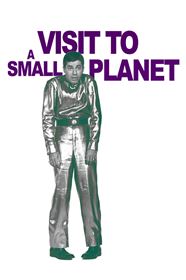
Visit to a Small Planet
Delton
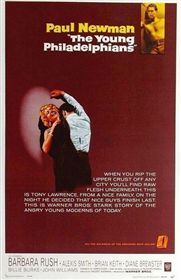
The Young Philadelphians
Gilbert Dickinson
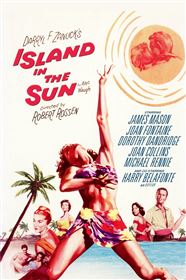
Island in the Sun
Colonel Whittingham
The Solid Gold Cadillac
John T. 'Jack' Blessington
D-Day the Sixth of June
Brig. Russell
The Student Prince
Lutz
A Woman's Vengeance
Prosecuting Counsel
The Goose Steps Out
Maj. Bishop
The Foreman Went to France
'English' Army Captain


