Elton John
Biography
Reginald Kenneth Dwight was born in Pinner, Middlesex, a London suburb. His father, Stanley Dwight, was an officer in the Royal Air Force and was frequently away, while his mother, the former Sheila Harris commented years later that her son grew up "a bundle of nerves." Reginald's childhood was marred by terrible arguments between his parents. Stanley Dwight had once played trumpet with an American-styled big band called Bob Miller and The Millermen. He and Sheila were avid record buyers, exposing Reginald to the music of pianists Winifred Atwell, Nat King Cole, and George Shearing, and to singers Rosemary Clooney, Frank Sinatra, Kay Starr, Johnny Ray, Guy Mitchell, Jo Stafford, and Frankie Laine. Aged 3 Reginald started playing the piano, while by aged 4 his parents recognized Reginald's talent, and would often ask him to play at parties. In 1956, Reginald discovered Elvis Presley. Soon his mother was buying him records by rock 'n' roll acts like Presley and Bill Haley and his Comets. By the time he started attending the Royal Academy of Music on a scholarship at age 11, Reginald's musical mind was firmly wedded to rock 'n' roll. Reginald preferred playing by ear. Subprofessor Helen Piena once said that upon the boy's entrance into the Academy, she'd played him a four-page piece by Handel, which he promptly played back for her like a "gramophone record." Reginald enjoyed playing Chopin and Bach and singing in the choir during his Saturday classes at the Academy, but was not otherwise a diligent classical student. As he remembered decades later, "I kind of resented going to the Academy. I was one of those children who could just about get away without practicing and still pass, scrape through the grades." Sometimes, he would play truant and ride around the tube (subway). Yet Piena saw Reginald as a "model student." A student at the Academy for five years, Reginald rounded out the little free time he had with a newspaper route and a job at a wine shop on Saturday afternoons after class. At Pinner Country Grammar School, he was more advanced musically than his peers and had an aptitude for songwriting, dashing off good melodies for his composition assignments. Reginald's record collection grew rapidly. He took sustenance in the early rock 'n' roll piano pioneers, annoying his father, who wanted him to concentrate on the classics, and frightening his mother with a fascination for music of the sexual, androgynous Little Richard. Reginald gained some notoriety by playing like Jerry Lee Lewis at Pinner County Grammar School functions, and even sang. In 1962, Reginald's embattled parents finally divorced, in the wake of Sheila Dwight's friendship with a painter named Fred Farebrother. Later, Stanley married again and had four children. At age 15, with the help of caring father figure Farebrother, Reginald Dwight became a weekend pianist at the nearby Northwood Hills pub, playing on Friday, Saturday and Sunday nights. The crowd was often rough – sometimes an unruly patron would dump a pint of beer into Reginald's piano – and the youngster had to work hard to please them. He played everything from Jim Reeves country songs ("He'll Have to Go") to Irish folk numbers ("When Irish Eyes Are Smiling"), decades-old ditties ("Beer Barrel Polka"), hits of the day ("King of the Road"), and songs he had written himself. He received a modest, steady income and substantial tips. "During that whole period, I don't think I ever missed a gig," he said later. A stint with a short-lived group called the Corvettes rounded out his time. In 1964, Dwight and his friends formed a band called Bluesology. By day, he ran errands for a music publishing company; he divided his nights between solo gigs at a London hotel bar and working with Bluesology. By the mid-1960s, Bluesology was backing touring American soul and R&B musicians like The Isley Brothers, Major Lance, Doris Troy and Patti LaBelle and The Bluebelles. In 1966, the band became musician Long John Baldry's supporting band and began touring cabarets in England. After failing lead vocalist auditions for both King Crimson and Gentle Giant, Dwight answered an advertisement in the New Musical Express placed by Ray Williams, then the A&R manager for Liberty Records. At their first meeting, Williams gave Dwight a stack of lyrics written by Bernie Taupin, who had answered the same ad. Dwight wrote music for the lyrics, and then mailed it to Taupin, and thus began a partnership that continues to this day. In 1967, what would become the first Elton John/Bernie Taupin song, "Scarecrow", was recorded; when the two first met, six months later, Reginald Dwight had changed his name to Elton John, by deed poll, in homage to Bluesology saxophonist Elton Dean and Long John Baldry. The team of John and Taupin joined Dick James's DJM Records as staff songwriters in 1968, and over the next two years wrote material for various artists, like Roger Cook and Lulu. Taupin would write a batch of lyrics in under an hour and give it to John, who would write music for them in half an hour, disposing of the lyrics if he couldn't come up with anything quickly. For two years, they wrote easy-listening tunes for James to peddle to singers. Their early output included an entry for British song for the Eurovision Song Contest in 1969, called "Can't Go On (Living Without You)" It came sixth of six songs.[6] During this period John also played on sessions for other artists including playing piano on The Hollies' He Ain't Heavy, He's My Brother and singing backing vocals for The Scaffold.[7] On the advice of music publisher Steve Brown, John and Taupin started writing more complex songs for John to record for DJM. The first was the single "I've Been Loving You" (1968), produced by Caleb Quaye, former Bluesology guitarist. In 1969, with Quaye, drummer Roger Pope, and bassist Tony Murray, John recorded another single, "Lady Samantha," and an album, Empty Sky. Despite good reviews, none of the records sold well. From Wikipedia
Elton 60: Live at Madison Square Garden
Himself - Performer
Tommy
Local Lad
Naqoyqatsi
Self (archive footage)
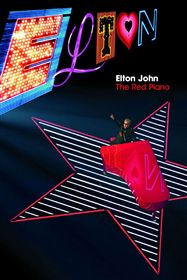
Elton John: The Red Piano
Himself / Performer
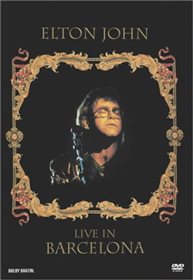
ELTON JOHN Live In Barcelona
Himself
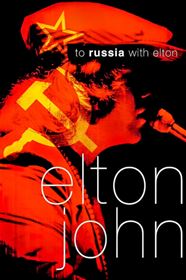
Elton John - To Russia with Elton
Himself
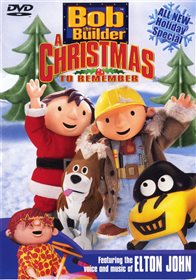
Bob the Builder - Bob's White Christmas and Other Stories
John (voice)
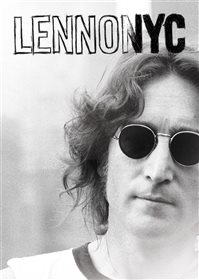
Lennon NYC
Himself - archive footage
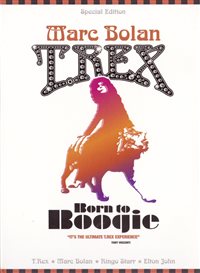
Marc Bolan and T.Rex - Born To Boogie
Himself
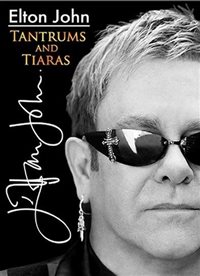
Tantrums and Tiaras - Elton John
Himself
Give Me the Ball!
Self
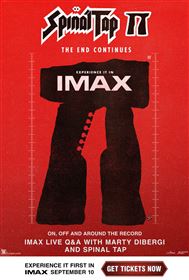
Spinal Tap II: The End Continues
Himself
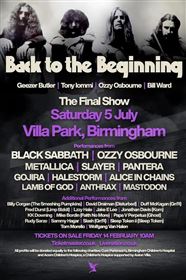
Back to the Beginning
Self

The Oscars
Self - Nominee

Self
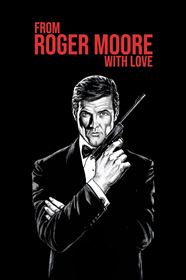
From Roger Moore with Love
Self (archive footage)
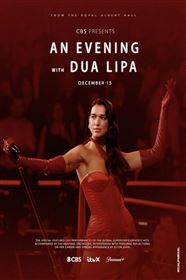
An Evening with Dua Lipa
Self

The Wonderful World of Disney: Holiday Spectacular
Self - Performer
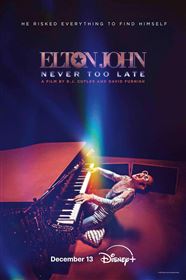
Elton John: Never Too Late
Self
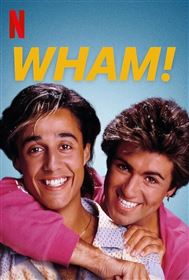
Wham!
Self (archive footage)
Self (archive footage)
A Grammy Salute to The Beach Boys
Self

Love to Love You, Donna Summer
Self (voice)
The Genius of Gianni Versace Alive
Self
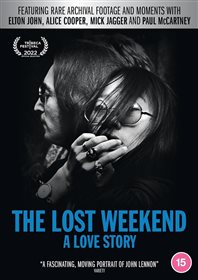
The Lost Weekend: A Love Story
Self
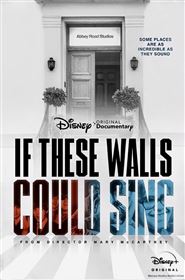
If These Walls Could Sing
Self
The 2022 Rock & Roll Hall of Fame Induction Ceremony
Self
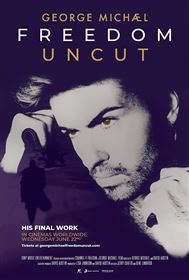
Freedom Uncut
Self
Like a Rolling Stone: The Life & Times of Ben Fong-Torres
Self
Whitney, a Look Back
Self (archive footage) (uncredited)
Mr. Saturday Night
Self
Brian Wilson: Long Promised Road
Self
Dionne Warwick: Don't Make Me Over
Self
Elton John: A Life in Song
Self
The Show Must Go On: The Queen + Adam Lambert Story
Self (archive footage)
Self
Self
Invitation to a Royal Wedding
Self
Dionne Warwick - Then Came You
Self (archive footage)
George Michael: Freedom
Himself
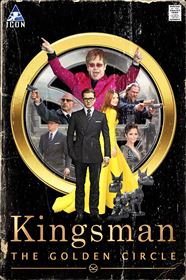
Kingsman 2 The Golden Circle
Elton John
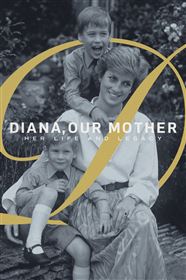
Diana: Our Mother
Self
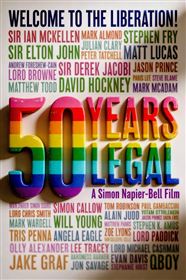
50 Years Legal
Himself
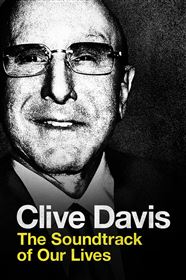
Clive Davis: The Soundtrack of Our Lives
Self (archive footage) (uncredited)
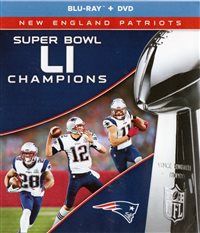
Super Bowl LI
Himself
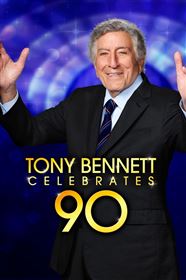
Tony Bennett Celebrates 90
Self
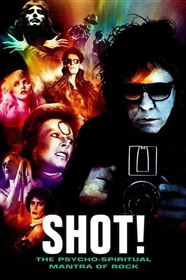
SHOT! The Psycho-Spiritual Mantra of Rock
Self
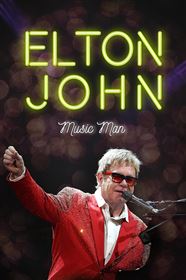
Elton John: Music Man
Self
Self
The Million Dollar Piano
Self

Super Duper Alice Cooper
Self (voice)
A MusiCares Tribute to Bruce Springsteen
Self
Self
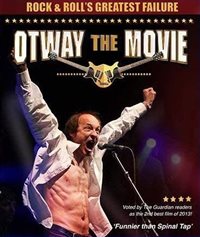
Rock and Roll's Greatest Failure: Otway the Movie
Self (archive footage)

20 Feet from Stardom
Himself (archive footage) (uncredited)
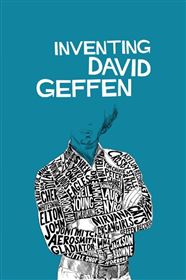
King of Hollywood: Inventing David Geffen
Self
The Diamond Jubilee Concert 2012
Self - Performer
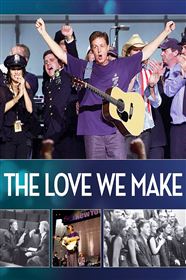
The Love We Make
Himself
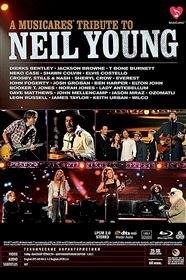
A MusiCares Tribute to Neil Young
Self
Self
Troubadours
Self - Singer, Pianist
Take That: Look Back, Don't Stare
Himself
Lennon NYC
Himself - archive footage
Starsuckers
Self (archive footage)

Brüno
Himself - 'Dove of Peace'
Elton John: The Red Piano
Himself / Performer
Concert for Diana
Himself
Tony Bennett - Duets - The Making of an American Classic
Self
Elton 60: Live at Madison Square Garden
Himself - Performer
Tony Bennett - American Classic
Himself - Performer
The Queen
Himself (archive footage) (uncredited)
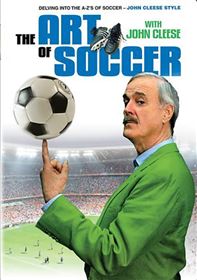
The Art of Football from A to Z
Himself
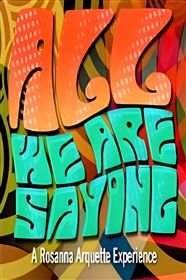
All We Are Saying
Himself
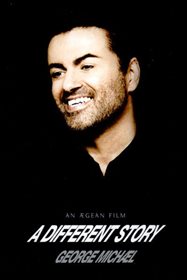
George Michael: A Different Story
Self
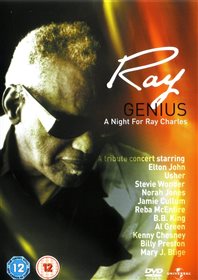
Genius: A Night for Ray Charles
Himself
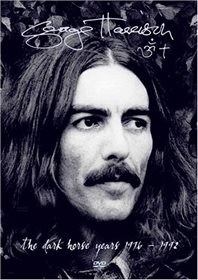
George Harrison: The Dark Horse Years 1976-1992
Himself (segment "When We Was Fab")
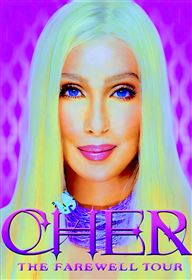
Cher: The Farewell Tour
Himself (archive footage)
Naqoyqatsi
Self (archive footage)
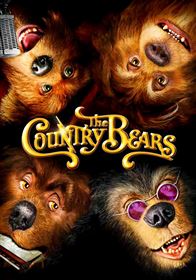
The Country Bears
Himself
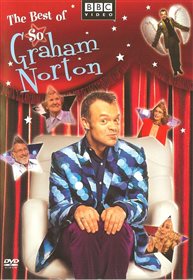
The Best of So Graham Norton
Himself (archive footage)
Mick Jagger: Being Mick: You Would If You Could
Himself
Elton John - Goodbye Yellow Brick Road
Himself
Bob the Builder - Bob's White Christmas and Other Stories
John (voice)
The Concert for New York City
Performer
Wingspan
Himself (archive footage)
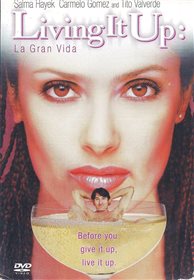
Living It Up
Himself (uncredited)
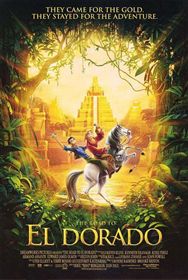
The Road to El Dorado
Narrator (voice)
Definitely Dusty
Self
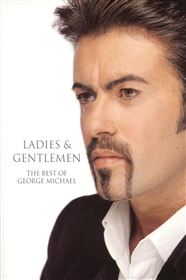
Ladies & Gentlemen: The Best of George Michael
Self ("Don't Let The Sun Go Down on Me" video)
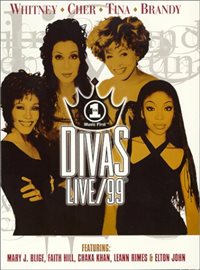
VH-1 Divas Live 99
Performer
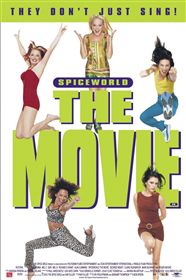
Spice World
Himself
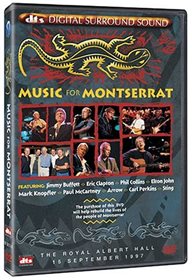
Music for Montserrat
Himself
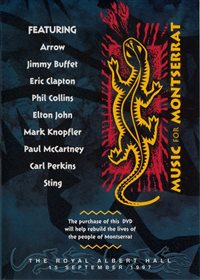
Music For Montserrat
Himself
Tantrums and Tiaras - Elton John
Himself
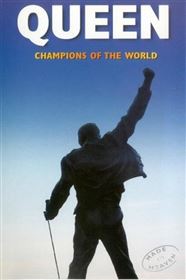
Queen: Champions of the World
Self
ELTON JOHN Live In Barcelona
Himself
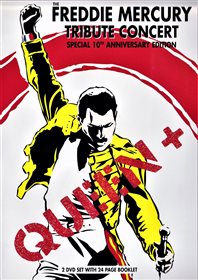
Freddie Mercury Tribute Concert
Himself
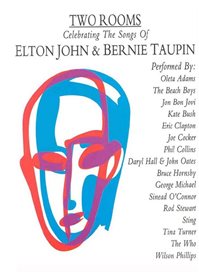
Elton John & Bernie Taupin - Two Rooms
Himself
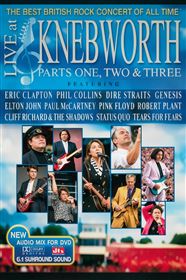
Live At Knebworth
Himself
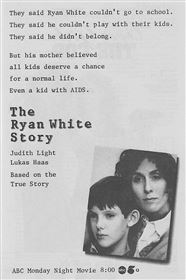
The Ryan White Story
Self (uncredited)
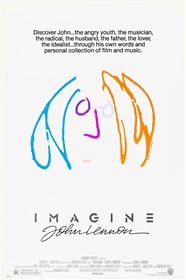
Imagine: John Lennon
Self
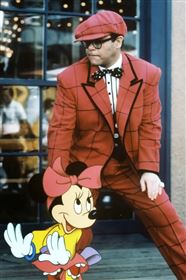
Disney's Totally Minnie
Self
Self (archive)
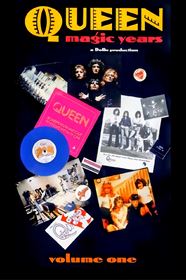
Queen: Magic Years, Volume One - A Visual Anthology
Himself
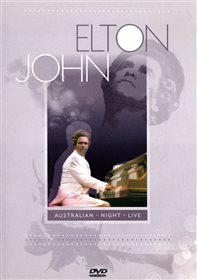
Elton John: Live in Australia
Self
Live Aid
Self
Elton John: I'm Still Standing
Elton John
Olivia Newton-John: Hollywood Nights
Himself
Elton John - To Russia with Elton
Himself
Self
Tommy
Local Lad
Marc Bolan and T.Rex - Born To Boogie
Himself


