Rex Harrison
Biography
Sir Reginald “Rex” Carey Harrison (5 March 1908 – 2 June 1990) was an English actor of stage and screen. Harrison won both an Academy Award and a Tony Award. Harrison was born in Huyton, then part of Lancashire, and educated at Liverpool College. After a bout of childhood measles, Harrison lost most of the sight in his left eye, which on one occasion caused some on-stage difficulty. He first appeared on the stage in 1924 in Liverpool. Harrison's acting career was interrupted during World War II whilst he served in the Royal Air Force, reaching the rank of Flight Lieutenant. He acted in various stage productions until 11 May 1990. He acted in the West End of London when he was young, appearing in the Terence Rattigan play French Without Tears, which proved to be his breakthrough role. He alternated appearances in London and New York in such plays as Bell, Book and Candle (1950), Venus Observed, The Cocktail Party, The Kingfisher, and The Love of Four Colonels, which he also directed. He won his first Tony Award for his appearance as Henry VIII in Anne of the Thousand Days and international superstardom (and a second Tony Award) for his Henry Higgins in the musical My Fair Lady, in which he appeared opposite a young Julie Andrews. Later appearances included Pirandello's Henry IV, a 1984 appearance at the Haymarket Theatre with Claudette Colbert in Frederick Lonsdale's Aren't We All?, and one on Broadway at the Brooks Atkinson Theatre presented by Douglas Urbanski, at the Haymarket in J. M. Barrie's The Admirable Crichton with Edward Fox. He returned as Henry Higgins in a highly paid revival of My Fair Lady directed by Patrick Garland in 1981, cementing his association with the plays of George Bernard Shaw which included a Tony nominated performance as Shotover in Heartbreak House, Julius Caesar in Caesar and Cleopatra, and General Burgoyne in a Los Angeles production of The Devil's Disciple. He also appeared as an aging homosexual man opposite Richard Burton as his lover in Staircase (1969). Harrison's film debut was in The Great Game (1930), and other notable early films include The Citadel (1938), Night Train to Munich (1940), Major Barbara (1941), Blithe Spirit (1945), Anna and the King of Siam (1946), The Ghost and Mrs. Muir (1947), and The Foxes of Harrow (1947). He was best known for his portrayal of Professor Henry Higgins with Audrey Hepburn in the 1964 film version of My Fair Lady, based on the Broadway production of the same name (which itself was based on George Bernard Shaw's play Pygmalion), for which Harrison won a Best Actor Oscar. He also starred in 1967's Doctor Dolittle. Harrison was not by general terms a singer; thus, the music was generally written to allow for long periods of recitative, generally identified as "speaking to the music." Although excelling in comedy (Noël Coward described him thus: "the best light comedy actor in the world—except for me."), he attracted favourable notices in dramatic roles such as his portrayal of Julius Caesar in Cleopatra (1963) and as Pope Julius II in The Agony and the Ecstasy (1965), opposite Charlton Heston as Michelangelo. He also acted in a Hindi movie Shalimar alongside Indian Bollywood star Dharmendra.

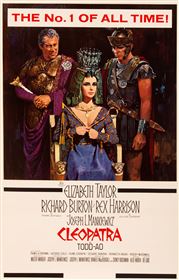
Cleopatra
Julius Caesar
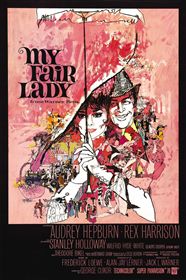
My Fair Lady
Professor Henry Higgins
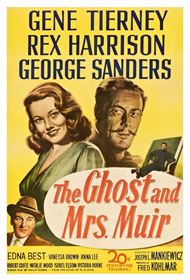
The Ghost and Mrs. Muir
Capt. Daniel Gregg
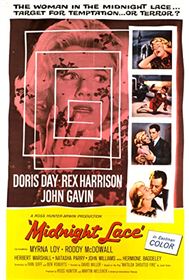
Midnight Lace
Anthony Preston
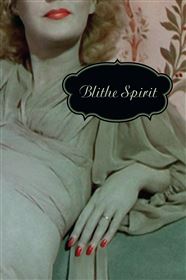
Blithe Spirit
Charles Condomine
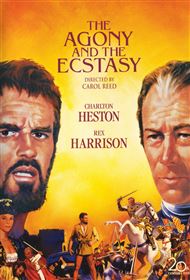
The Agony and the Ecstasy
Pope Julius II
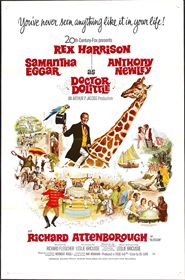
Doctor Dolittle
Dr. John Dolittle
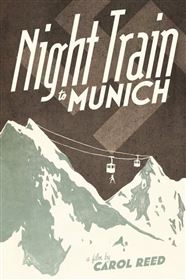
Night Train To Munich
Gus Bennett
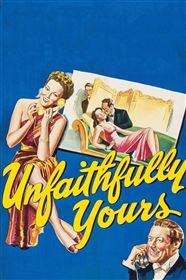
Unfaithfully Yours
Sir Alfred De Carter
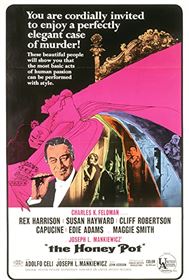
The Honey Pot
Cecil Sheridan Fox
Self (archive footage)
Deodato Holocaust
Self (archive footage)
Gene Tierney - Hollywoods vergessener Star
(archive footage)
Audrey Hepburn, Königin der Eleganz
Self (archive footage)
And the Oscar Goes To...
Himself (archive footage)
Love, Marilyn
Julius Caesar (uncredited)

Casting By
Self (archive footage)
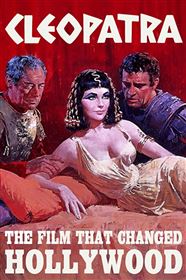
Cleopatra: The Film That Changed Hollywood
Self (archive footage)
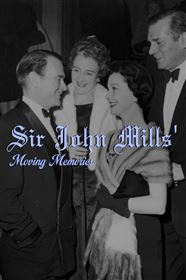
Self (archive footage)
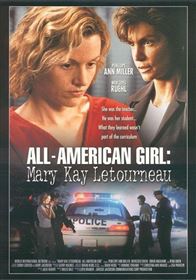
All-American Girl: Mary Kay Letourneau
2nd Man in Audience
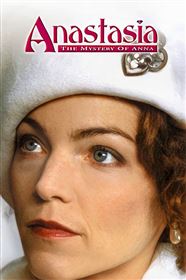
Anastasia - The Mystery of Anna
Grand Duke Cyril Romanov
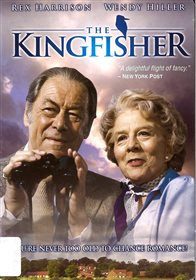
The Kingfisher
Cecil
A Time to Die
Van Osten
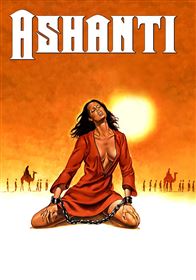
Ashanti
Brian Walker
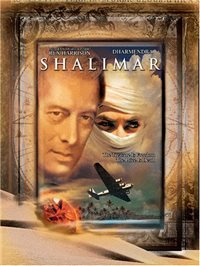
Shalimar
Sir John Locksley
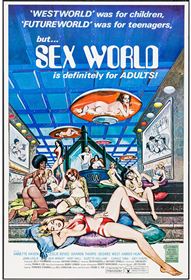
SexWorld
2nd Man in Audience
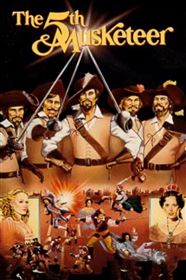
The 5th Musketeer
Colbert
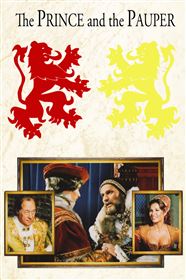
Crossed Swords
The Duke of Norfolk
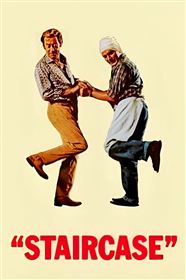
L'Escalier
Charlie Dyer
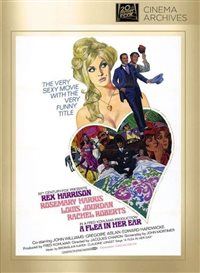
A Flea in Her Ear
Victor Chandebisse / Poche
Phenomenal
Man in Crowd(uncredited)
Doctor Dolittle
Dr. John Dolittle
The Honey Pot
Cecil Sheridan Fox
The Agony and the Ecstasy
Pope Julius II
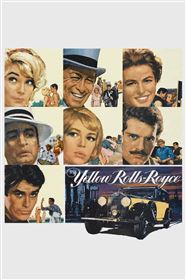
The Yellow Rolls-Royce
Lord Charles Frinton - The Marquess of Frinton
My Fair Lady
Professor Henry Higgins
Cleopatra
Julius Caesar
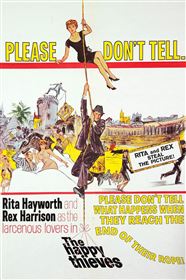
The Happy Thieves
Jimmy Bourne
Midnight Lace
Anthony Preston
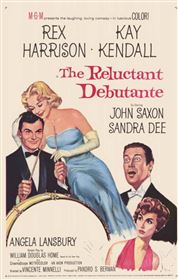
Was weiß Mama von Liebe?
Jimmy Broadbent
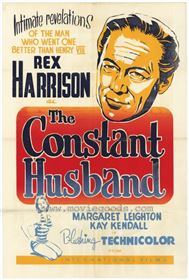
The Constant Husband
William Egerton
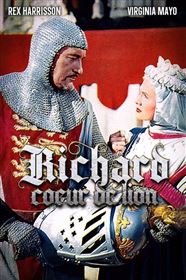
King Richard and the Crusaders
Emir Hderim Sultan Saladin
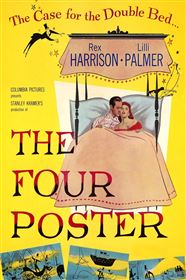
The Four Poster
John Edwards
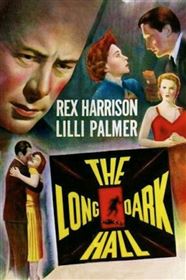
The Long Dark Hall
Arthur Groome
Unfaithfully Yours
Sir Alfred De Carter
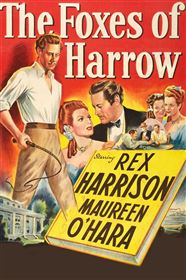
The Foxes of Harrow
Stephen Fox
The Ghost and Mrs. Muir
Capt. Daniel Gregg
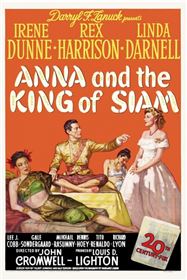
Anna and the King of Siam
King Mongkut
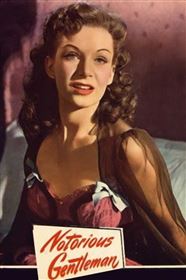
Notorious Gentleman
Vivian Kenway
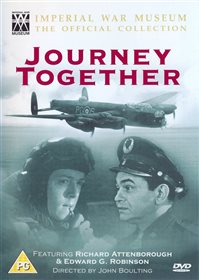
Journey Together
Guest (uncredited)
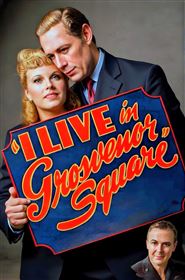
I Live In Grosvenor Square
Major David Bruce
Blithe Spirit
Charles Condomine
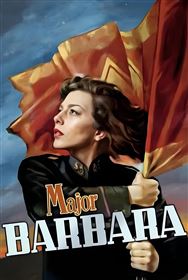
Major Barbara
Adolphus Cusins
Night Train To Munich
Gus Bennett
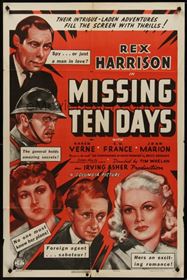
Ten Days in Paris
Bob Stevens
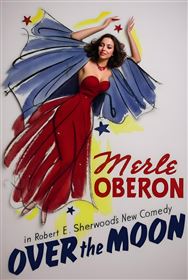
Over the Moon
Dr. Freddie Jarvis
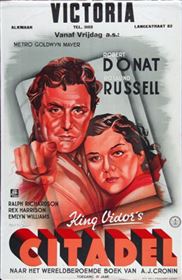
Citadel
Dr. Lawford
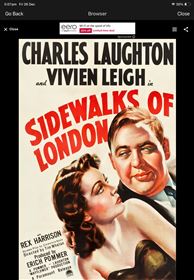
St. Martin's Lane
Harley Prentiss
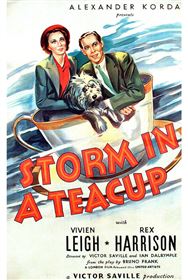
Storm in a Teacup
Frank Burdon

School for Husbands
Leonard Drummond
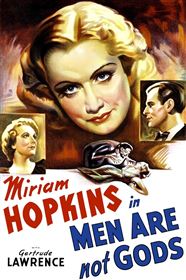
Men Are Not Gods
Tommy Stapledon
The Great Game
George


