Jim Jarmusch
Biography
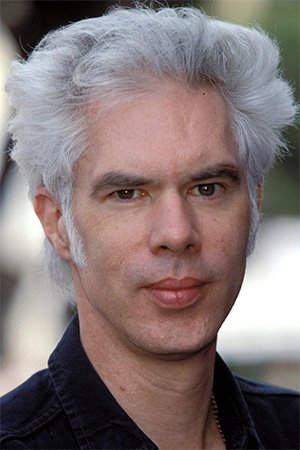
James R. Jarmusch, known as Jim Jarmusch, (born January 22, 1953) is an American independent filmmaker.[3] Jarmusch is a major exponent of independent cinema, particularly in the 1980s and 1990s.[4] The key, I think, to Jim, is that he went gray when he was 15 ... As a result, he always felt like an immigrant in the teenage world. He's been an immigrant – a benign, fascinated foreigner – ever since. And all his films are about that. —Tom Waits, as quoted in The New York Times, 2005[5] Jarmusch was born to a European American family of middle-class surburbanites in Cuyahoga Falls, Ohio in 1953.[4][6][7] His mother was a reviewer of film and theatre for the Akron Beacon Journal before marrying his father, a businessman who worked for the B.F. Goodrich Company.[1] The middle of three children,[5] Jarmusch was an avid reader in his youth,[4] with an interest in literature encouraged by his grandmother.[1] He was introduced to the world of cinema by his mother, who would leave him at a local theater to watch matinee double features such as Attack of the Crab Monsters and Creature From the Black Lagoon while she ran errands.[8][9] Another B-movie influence from his childhood was "Ghoulardi", an eccentric Cleveland television show which featured horror films.[9] From his peers he developed a taste for counterculture: he and his friends would steal the records and books of their older siblings – Burroughs, Kerouac, Mothers of Invention.[4][10] They made fake identity documents which allowed them to visit bars at the weekend but also the local art house cinema – which though it typically showed pornographic films would on occasion feature underground films such as Robert Downey, Sr.'s Putney Swope and Andy Warhol's Chelsea Girls.[4][10] At one point, he took an apprenticeship with a commercial photographer.[4] "Growing up in Ohio", he would later remark, "was just planning to get out".[10] In 1972, after finishing high school, Jarmusch moved to Chicago and enrolled in the School of Journalism at Northwestern University.[7] The following year, he transferred to Columbia University, where he studied English and American literature under professors including New York School avant garde poets Kenneth Koch and David Shapiro.[1] At Columbia he began to write short "semi-narrative abstract pieces",[1] and edited the undergraduate literary journal The Columbia Review.[7][11] During his final year at Columbia, Jarmusch went to Paris, for what was initially a semester but turned into ten months.[4] He worked as a delivery driver for an art gallery and spent most of his time at the Cinémathèque Française.[4][7] That’s where I saw things I had only read about and heard about – films by many of the good Japanese directors, like Imamura, Ozu, Mizoguchi. Also, films by European directors like Bresson and Dreyer, and even American films, like the retrospective of Samuel Fuller’s films, which I only knew from seeing a few of them on television late at night. When I came back from Paris, I was still writing, and my writing was becoming more cinematic in certain ways, more visually descriptive. —Jarmusch on the Cinémathèque Française, taken from an interview with Lawrence Van Gelder of The New York Times, October 21, 1984.[1] After returning from Paris in 1976, he applied to the prestigious Graduate Film School of New York University's Tisch School of the Arts (then under the direction of Hollywood director László Benedek),[4][1] Despite his complete lack of experience in filmmaking, his submission of a collection of still photographs and an essay about film secured his acceptance into the program.[1] He studied there for four years, meeting fellow students and future collaborators Sara Driver, Tom DiCillo and Spike Lee in the process.[7] During the late 1970s in New York City, Jarmusch and his contemporaries were part of an alternative culture scene centered on the CBGB music club.[12] In his final year at New York University, Jarmusch worked as an assistant to the renowned film noir director Nicholas Ray, who was at that time teaching in the department.[7] Jarmusch was the only person Ray brought to work – as his personal assistant – on Lightning Over Water , a documentary about his dying years on which he was collaborating with Wim Wenders.[4] Ray died in the summer of 1979 after a fight with cancer.[7] A few days afterwards, having been encouraged by Ray and New York underground filmmaker Amos Poe and using scholarship funds given by the Louis B. Mayer Foundation to pay for his school tuition,[1][13] Jarmusch started work on his first feature film, Permanent Vacation (1980).[3][7] Jarmusch's first major film, Stranger Than Paradise, was produced on a budget of approximately $125,000 and released in 1984 to much critical acclaim.[14] Recounting a strange journey of three disillusioned youths from New York to Cleveland to Florida, the film broke many conventions of traditional Hollywood filmmaking,[15] and to this day is still considered a landmark work in modern independent film.[16] In 1986, Jarmusch wrote and directed Down by Law, a film about three convicts in a New Orleans jailhouse. As a result of his early work, Jarmusch became an influential representative of the trend of the American road movie.[17] His next two films each experimented with parallel narratives: Mystery Train told three stories, one after the other, set on the same night in and around a small Memphis hotel, and Night on Earth involved five cab drivers and their passengers on rides in five different world cities, beginning at sundown in Los Angeles and ending at sunrise in Helsinki. In 1995, Jarmusch released Dead Man, a film set in the American West in the 19th century starring Johnny Depp and Gary Farmer that has been called a Western movie, an "acid western", an "anti-Western", and a "post-Western" by various critics. The film has been hailed as one of the few films made by a Caucasian that presents an authentic Native American culture and character, and Jarmusch stands by it as such; however, critics have both praised and decried the film for its portrayal of the American West, violence, and especially Native Americans.[18] The film was shot in black and white by Robby Müller, and features a score composed and performed by Neil Young. Following artistic success and critical acclaim in the American independent film community, he achieved mainstream renown with his far-East philosophical crime film Ghost Dog: The Way of the Samurai, shot in Jersey City and starring Forest Whitaker as a young inner-city man who has found purpose for his life by unyieldingly conforming it to the Hagakure, an 18th-century philosophy text and training manual for samurai, becoming, as directed, a terrifyingly deadly hit-man for a local mob boss to whom he may owe a debt, and who then betrays him. The soundtrack was supplied by the Wu-Tang Clan's RZA. The film was unique among other things for the number of books important to and discussed by its characters, most of them listed bibliographically as part of the end credits. In 2004 he released what is possibly the final version of Coffee and Cigarettes, a collection of short film vignettes the first of which, "Strange to Meet You", had been shot for and aired on Saturday Night Live in 1986, and featured actor-filmmaker Roberto Benigni and comedian Steven Wright. This had been followed three years later by "Twins", a segment with actors Steve Buscemi and Joie and Cinqué Lee, and then in 1993 with the Short Film Palme d'Or-winning "Somewhere in California", starring musicians Tom Waits and Iggy Pop.[19] Coffee and Cigarettes was eventually released to selected theaters as a collection of eleven installments. He followed Coffee and Cigarettes with Broken Flowers in 2005, starring Bill Murray. Jarmusch' latest film, The Limits of Control, opened on May 22, 2009. The film stars Isaach de Bankolé and is set in Spain.
Fragments of Paradise
Self
Pop Odyssee 2 - House of the Rising Punk
Self
Song from the Forest
Himself
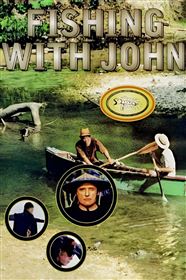
Fishing With John
Himself
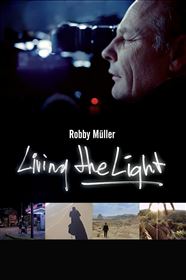
Robby Müller: Living the Light
Self
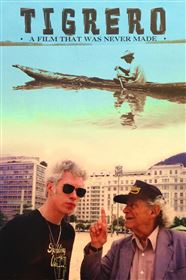
Self
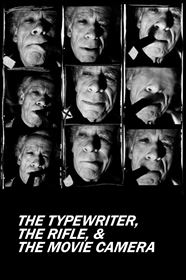
Self
Himself
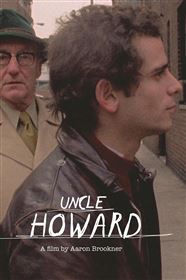
Self
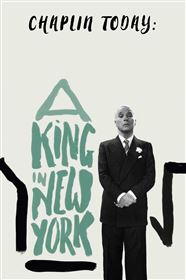
Chaplin Today: A King in New York
Self
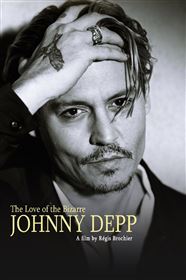
In den Augen von Johnny Depp
Self (archive footage)
Fragments of Paradise
Self
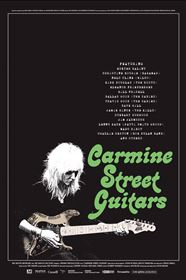
Carmine Street Guitars
Himself
Robby Müller: Living the Light
Self
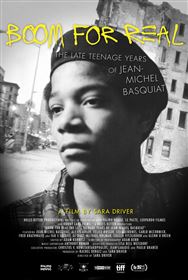
Boom for Real: The Late Teenage Years of Jean-Michel Basquiat
Himself
Self
Song from the Forest
Himself
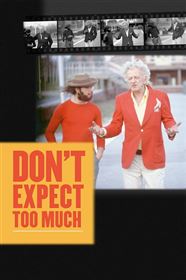
Don't Expect Too Much
Self
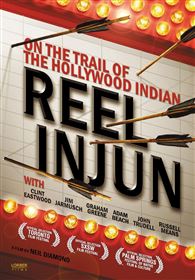
Reel Injun
Self

Self
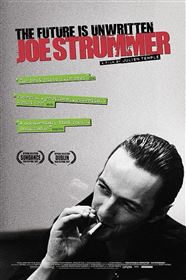
Joe Strummer: The Future Is Unwritten
Himself
Punk: Attitude
Himself
Self
Z Channel - A Magnificent Obsession
Himself
Chaplin Today: A King in New York
Self
Himself
Divine Trash
Himself
Pop Odyssee 2 - House of the Rising Punk
Self
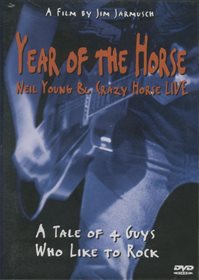
Year of the Horse
Himself
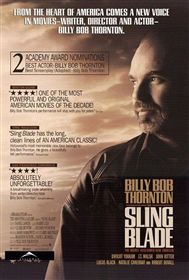
Sling Blade
Frostee Cream Boy
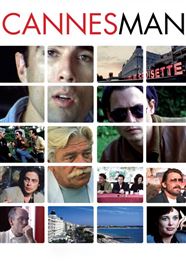
Con Man (aka Cannes Man)
Himself
Self
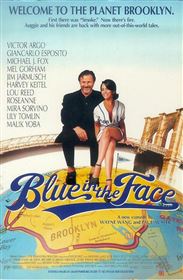
Blue in the Face
Bob
Self
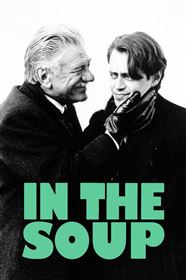
In The Soup
Monty
Fishing With John
Himself
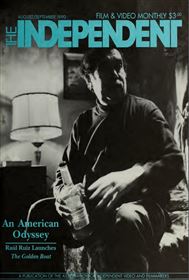
The Golden Boat
Stranger
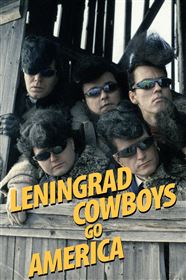
Leningrad Cowboys Go America
Car Dealer / New York
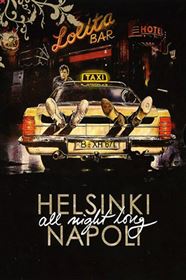
Helsinki-Naples All Night Long
Barkeeper #2
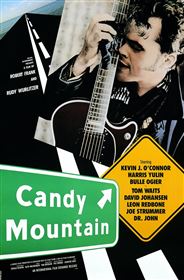
Candy Mountain
(uncredited)
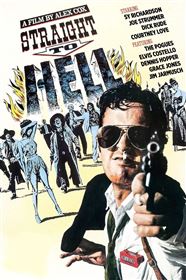
Straight to Hell
Amos Dade
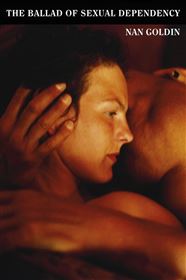
The Ballad of Sexual Dependency
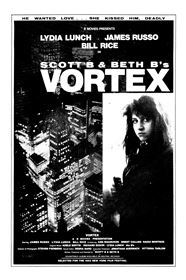
Voice Over


