Billy Idol
Biography
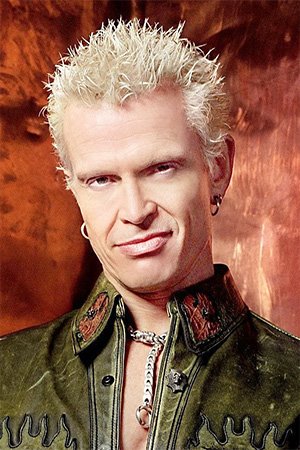
The name Billy Idol was inspired by a school teacher's description of Broad as "idle." Billy Idol lived in Worthing, England before attending Sussex University for only one year before joining the Bromley Contingent of Sex Pistols fans. Idol first joined the punk rock band Siouxsie & the Banshees (before the band had decided on a name) in 1976, but soon quit and joined Chelsea in 1977 as a guitarist. However, he and Chelsea bandmate Tony James soon quit that group and co-founded Generation X, with Idol switching from guitar to lead singer. Generation X signed to Chrysalis Records and released three albums before breaking up. Idol moved to New York and began working as a solo artist and working with Steve Stevens, soon becoming an MTV staple with "White Wedding" and "Dancing with Myself", the latter of which had originally been recorded with Generation X. "White Wedding" was rumored to be a "nasty put down" by Idol and then-girlfriend Peri Lister, directed at Idol's sister for thinking that getting married was the answer to getting pregnant. In the 2001 recording of VH1 Storytellers Idol refutes that, saying his sister's wedding was simply inspiration for the song, which quickly took on its own form. Years after the video, Idol's sister is still married with three children. Idol and Peri broke up in 1990. They have a son named Willem together. Idol's second LP, Rebel Yell (1984) was a blockbuster success, and established Idol's superstar status in the United States with singles like "Eyes Without a Face", "Flesh For Fantasy", and the title cut; Idol also became very popular in Europe thanks to this album, particularly in Germany, in Italy and in his native UK. He did not release a new album until 1986; Whiplash Smile sold very well and proved to be a smash, including the hits "To Be A Lover", "Don't Need A Gun" and the Country-flavored "Sweet Sixteen". Stevens soon left for a solo career and Idol continued. A live cover of Tommy James' "Mony Mony" (the studio version of which was an Idol staple from early on) did well on MTV. Just before the release of Charmed Life in 1990, Idol was in a motorcycle accident in which he almost lost his leg. The album had been named prior to Idol's accident. The album sold extremely well (led by "Cradle Of Love", from The Adventures of Ford Fairlane film), but Idol decided to take a break and acted in The Doors, directed by Oliver Stone. The follow-up to Charmed Life was 1993's Cyberpunk, which was a flop in the States, and Idol sank into drug addiction, nearly dying of a GHB overdose in 1994. Upon his discharge he calmed down and began to focus more on fatherhood. Idol returned to the popular eye in 1998, when he played himself in The Wedding Singer, an Adam Sandler and Drew Barrymore romantic comedy, where "White Wedding" was used as the title track. Idol appeared on VH1 Storytellers and issued a successful Greatest Hits CD in 2001. Idol was embarrassed at the 2002 National Rugby League Grand final, when a power problem resulted in no one being able to hear him singing. "White Wedding" appeared on popular videogame Grand Theft Auto: San Andreas, playing on fictional Classic Rock radio station, K-DST. Devil's Playground, which came out 22 March 2005, was his first new studio album in nearly twelve years. This album was heavily promoted with use of the Devil's Playground album website, which was made by Squad in early 2005. The Devil's Playground album includes a cover of the classic song Plastic Jesus. Idol played a handful of dates on the 2005 Vans Warped Tour. Then in 2006, as his only UK live date, he appeared headlining the Sunday night of Guilfest. In 2006, Billy guested on his keyboardist Derek Sherinian's solo album Blood of the Snake, covering the 1970 Mungo Jerry hit, "In the Summertime". A video was also made featuring Idol and former Guns N' Roses guitarist Slash. In November 2006, Idol released a Christmas album called Billy Idol: Happy Holidays. It includes classic Christmas songs like "Frosty the Snowman", "Jingle Bell Rock", and "Silent Night", plus some originals. From Wikipedia
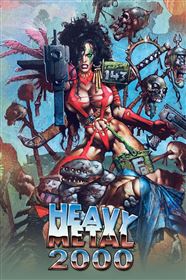
Heavy Metal 2000
Odin (voice)
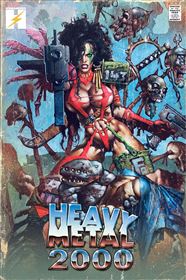
Heavy Metal\Heavy Metal 2000
Odin (voice)
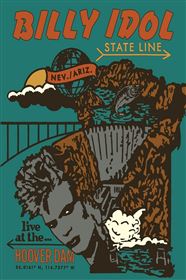
Billy Idol: State Line
Self
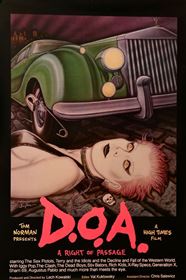
D.O.A.: A Right of Passage
Self - Generation X (uncredited)
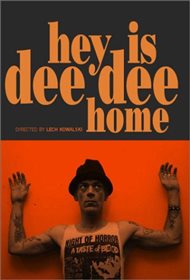
Dee Dee Ramone - Hey Is Dee Dee Home
Himself (archive footage)
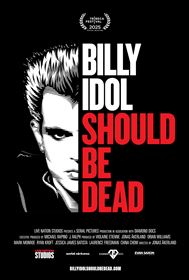
Billy Idol Should Be Dead
Self
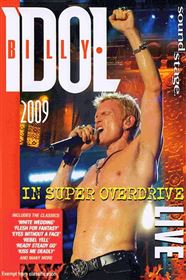
Billy Idol: In Super Overdrive Live
Vocals
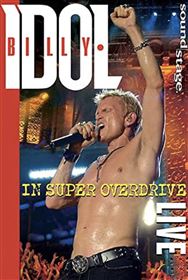
Billy Idol: In Super Overdrive
Self
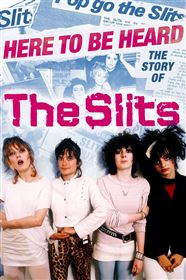
Here to Be Heard: The Story of the Slits
Self
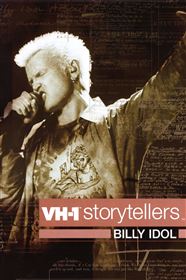
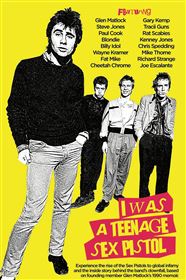
I Was a Teenage Sex Pistol
Self
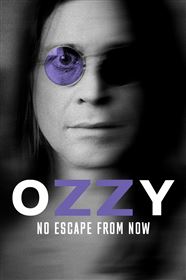
Ozzy Osbourne: No Escape from Now
Self

Back to the Beginning
Self
Billy Idol Should Be Dead
Self

2024 Rock & Roll Hall of Fame Induction Ceremony
Self
Billy Idol: State Line
Self
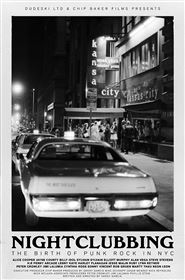
Nightclubbing: The Birth of Punk Rock in NYC
Self
Dare to Be Different
Self - Singer / Songwriter
Here to Be Heard: The Story of the Slits
Self
Billy Idol: In Super Overdrive
Self
Billy Idol: In Super Overdrive Live
Vocals
Heavy Metal\Heavy Metal 2000
Odin (voice)
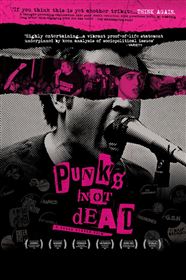
Punk's Not Dead
Himself - Generation X
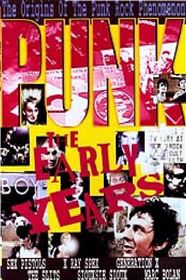
Self
Dee Dee Ramone - Hey Is Dee Dee Home
Himself (archive footage)
Self
Heavy Metal 2000
Odin (voice)
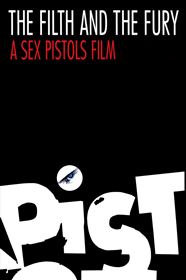
The Filth and the Fury - A Sex Pistols Film
Himself (archive footage)
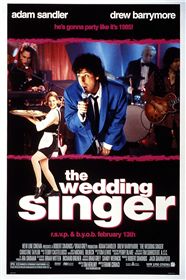
The Wedding Singer
Himself
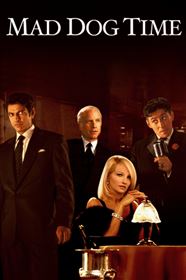
Mad Dog Time
Lee Turner
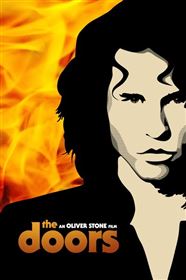
The Doors
Cat

Self
D.O.A.: A Right of Passage
Self - Generation X (uncredited)
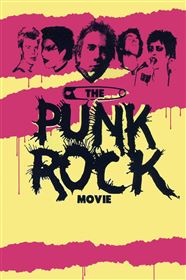
The Punk Rock Movie from England
Self
Self


