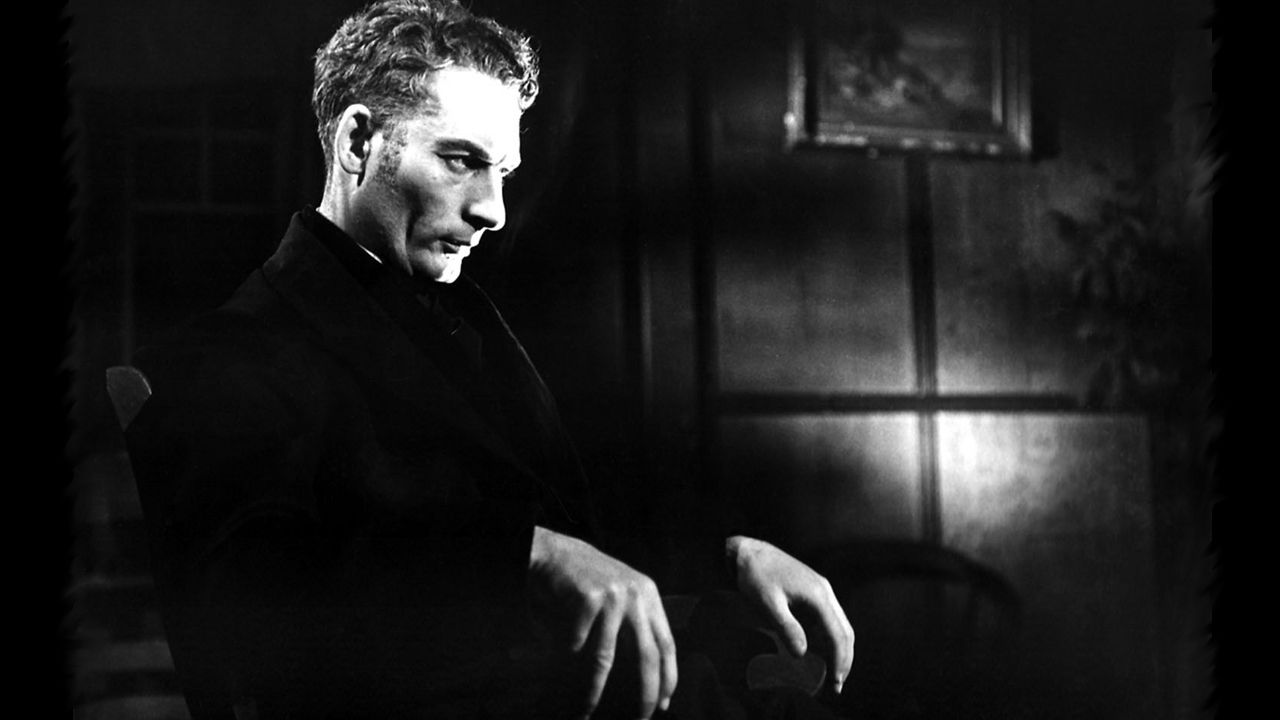


The Fall of the House of Usher (1928)
Horror · 0h 12m


Description
Dr. James Sibley Watson (1894-1982) and Melville Webber (1895-1947) were pioneers in avant-garde film, best known for The Fall of the House of Usher and Lot in Sodom (1932). Watson was a true Renaissance man. He was the publisher and guiding spirit of The Dial, an outstanding literary magazine. He played an important role in the development of X-ray cinematography and of optical printers for films. Webber pursued parallel careers in archaeology, art history, painting and film. He taught art history at the University of Rochester. "Melville Webber and I started to work on our first entertainment film in the winter of 1926-27. Melville was scenarist, idea man, scene painter, costume designer, make-up man, director, and also played the part of The Visitor. My part was cranking the camera, lighting the sets and the actors, developing, printing. splicing, and projecting the film… Our 'properties' included a home-made coffin, a cardboard flat painted by Melville to represent the facade o! the house of Usher, a short flight of fairly normal steps, and a long flight of steps in miniature. We had also acquired, from Bausch and Lomb, prisms and distorting lenses that could be rotated in front of the camera lens. Rotating the latter device causes the subject to appear successively short and wide and then tall and thin, an ‘effect’ employed to give a sort of rhythm to the scene in which a black-gloved hand smooths Madeline's burial robe as she lies supine in her coffin. In another scene, The Visitor is reading to Roderick. Here certain key words are emphasized by reflecting the letters in the polished surface of a platter turning on a phonograph turntable, making the syllables ripple…All the effects in Usher had to be done with, or in, the camera. " - James Sibley Watson
Release Country
United StatesMedia Type
MovieStudio
Films Jean EpsteinAspect Ratio
1.33:1Discs


Avant-Garde 2: Experimental Cinema 1928-1954
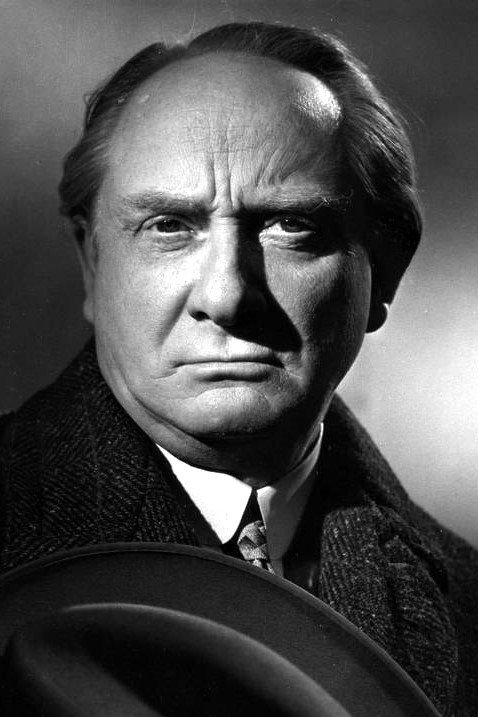
Jean Debucourt
Sir Roderick Usher
Marguerite Gance
Madeleine UsherCharles Lamy
Allan, The GuestFournez-Goffard
The doctorLuc Dartagnan
UncreditedHalma
UncreditedPierre Hot
UncreditedPierre Kefer
UncreditedJean Epstein
DirectorEdgar Allan Poe
Writer
Luis Buñuel
WriterJean Epstein
WriterGeorges Lucas
CinematograpyJean Epstein
ProducerJean Lucas
CinematograpyPierre Kefer
Art
The Cabinet of Dr. Caligari
Nosferatu
Faust
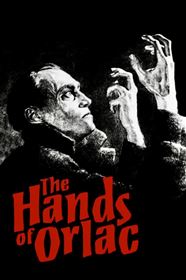
The Hands of Orlac

Häxan
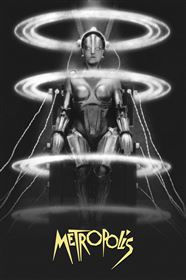
Metropolis
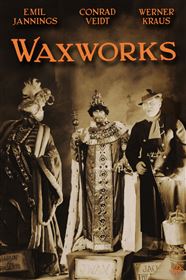
Waxworks
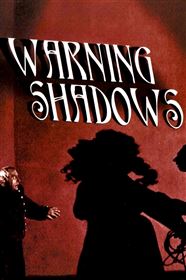
Warning Shadows
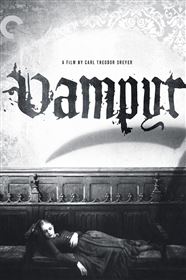
Vampyr

Island of Lost Souls
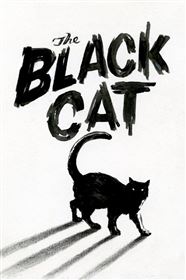
The Black Cat
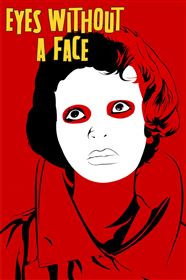
Eyes Without a Face
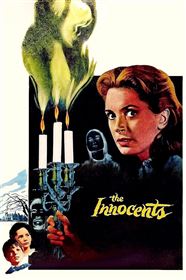
The Innocents

Carnival of Souls
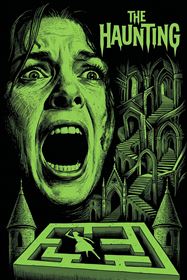
The Haunting
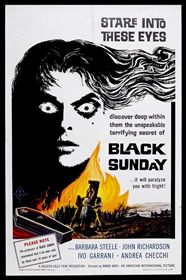
Black Sunday (The Mask of Satan)
Hour of the Wolf
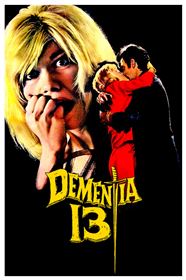
Dementia 13
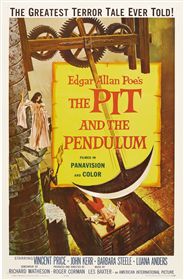
The Pit and the Pendulum
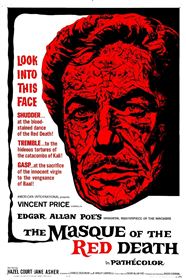
The Masque Of The Red Death
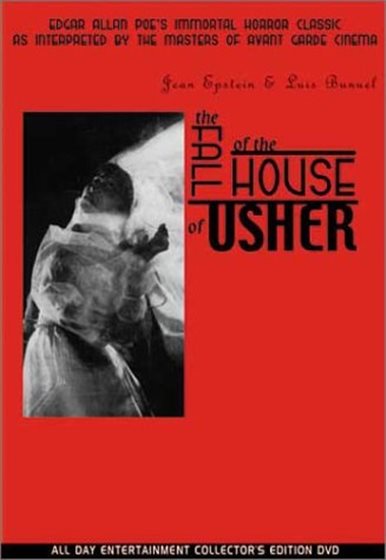
The Fall of the House of Usher
(Blu-ray)
10/30/2004
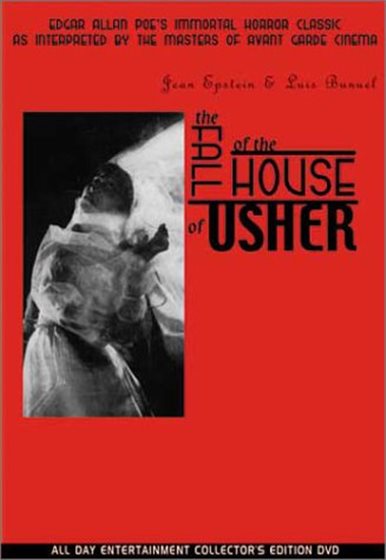
The Fall of the House of Usher
(DVD)
5/15/2001