
Hans Westmar (1933)
Drama/Foreign/Special Interest · 1h 24m


Description
HANS WESTMAR, ONE OF MANY (Hans Westmar, Einer von Vielen) (Ein Deutsches Schicksal aus dem Jahre 1929) (One of Many A German Destiny from the year 1929) High Quality IHF Remastered Version. "Gifted film-making of the highest order, and an accomplished work of cinematic art." One of the best propaganda films of the thirties... A film that should be studied by anyone interested in mass propaganda... To whom do the streets belong? Communists or National Socialists? It is 1929, and the fate of Germany lies in the streets of Berlin. Amidst violent demonstrations orchestrated by both extremist groups emerges a young SA hero named Hans Westmar in this heavily fictionalized biography of Horst Wessel, author of the Nazi anthem, "Die Fahne hoch" ("Raise the Banners High" or "The Horst Wessel Song"). Hans Westmar, a student who dedicates his life to National Socialism in order to win over Berlin's teeming proletariat to the patriotic Nazi cause, transforms his SA troop into the most successful unit in Berlin. Wessel had written the lyrics to the first verse of the march that became, after his death, the most beloved Nazi Party anthem. Since Horst Wessel's real-life violence was not suited for commercial consumption -- although he was not the street-brawling pimp that Communist propaganda made him -- Hanns Heinz Ewers wrote a sanitized biography and screenplay for the picture. Giuseppe Becce wrote the music score with the assistance of Hitler's friend, Ernst ("Putzi') Hanfstaengl. Franz Wenzler directed the film with great assurance and panache -- especially its crowd scenes -- and Franz Weihmayr's brilliant, roving cinematography, most effective in the elaborately staged street riots, marked the picture as a visually inspired work. The film was produced under the title Horst Wessel, but when it was previewed Dr. Goebbels took umbrage, insisting that the SA belonged on the streets, not on motion-picture screens. He banned the picture, and it was heavily re-edited. Its hero's name was changed to Hans Westmar, and the scene in which he writes his march was deleted. The film was released under the title Hans Westmar. The "Horst-Wessel-Lied" is sung at the end of the picture, during a massive, torchlit parade, with Westmar's ghostly image superimposed over the stirring SA footage. This is gifted film-making of the highest order. Hans Westmar as well as Hans Steinhoff's Hitlerjunge Quex (also 1933) are accomplished works of cinematic art despite their propagandistic intent. Directed by Franz Wenzler. With Emil Lohkamp, Paul Wegener Wegener Directed by Franz Wenzler. With Emil Lohkamp, Paul Wegener. Germany, 1933, B&W, 84 Minutes. German dialogue with accurately translated English subtitles (dialog and songs) by IHF translation team.
Release Country
United StatesBarcode
009432330211Media Type
MovieAudio
 |
German |  |
 |
Subtitles
 English
Video Format
NTSCAspect Ratio
1.33:1Cover Type
Keep Case (Std.)Discs


Emil Lohkamp
Hans Westmar
Paul Wegener
KuprikoffHeinrich Heilinger
Camillo RossIrmgard Willers
AgnesOtti Dietze
Mrs. SalmCarla Bartheel
MaudGertrude De Lalsky
Mrs. Westmar, Hans' mother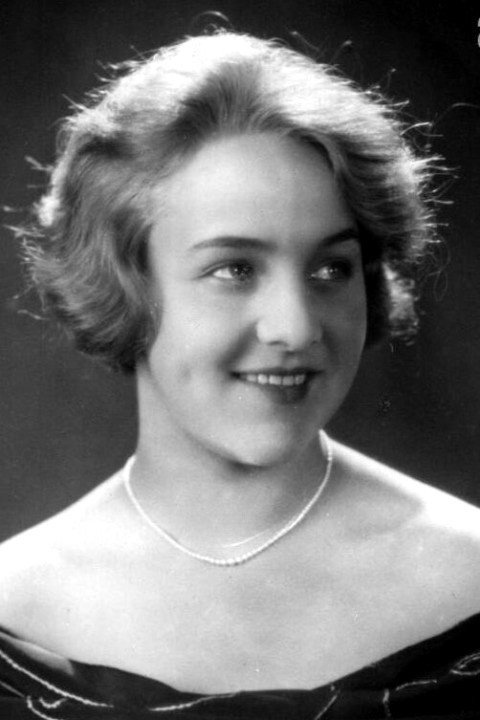
Grete Reinwald
Klara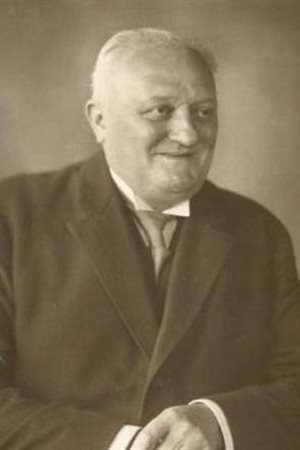
Wilhelm Diegelmann
LandlordHeinz Salfner
Maud's fatherRobert Thiem
Georg BeyerArthur Schröder
MenartHugo Döblin
Reichstag MemberSigmund Nunberg
ProfessorFranz Wenzler
DirectorHanns Heinz Ewers
Writer
Triumph of the Will
Ohm Krüger
D III 88
Unternehmen Michael
Jud Süß


