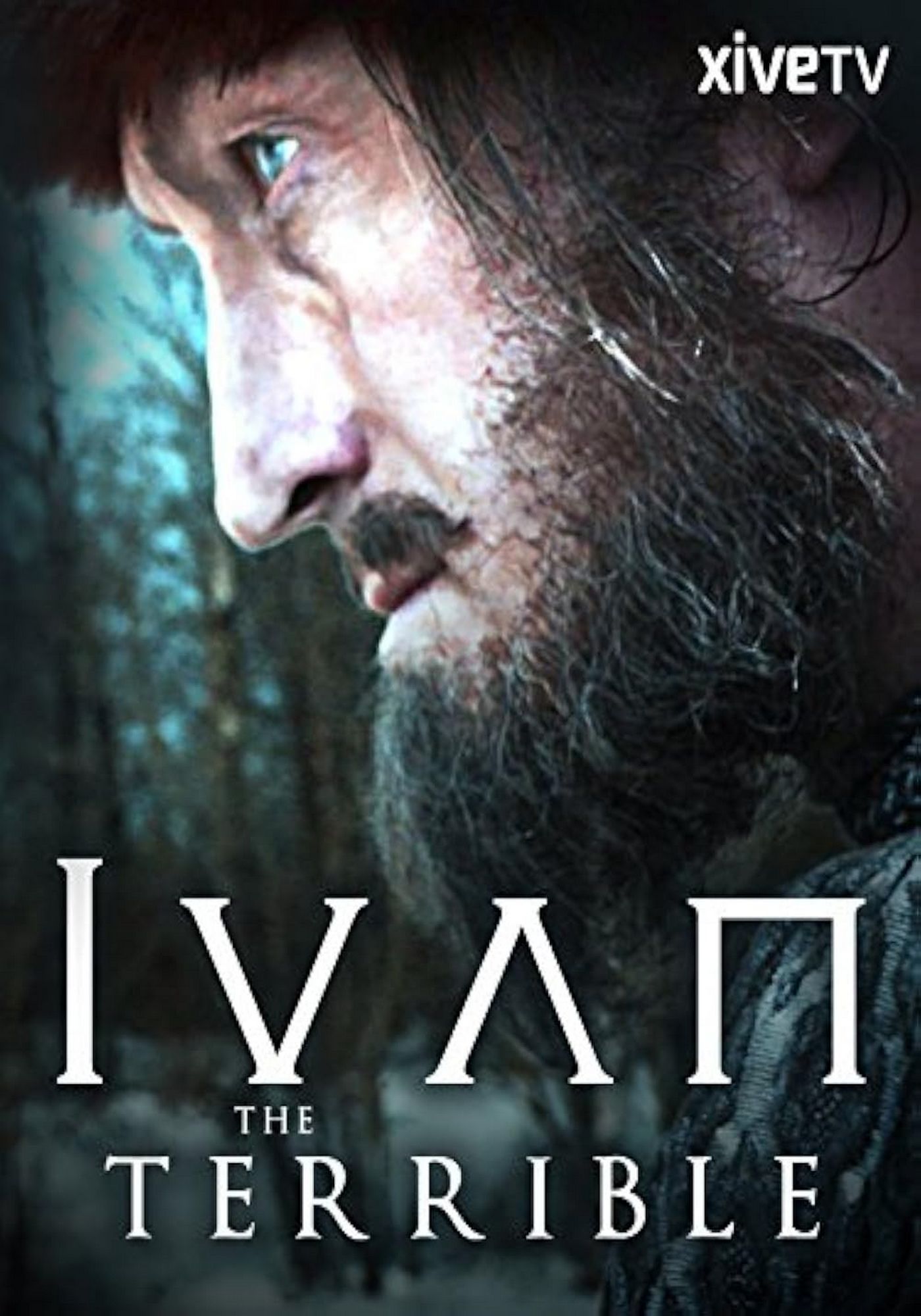
Ivan the Terrible (2014)
0h 52m · 4/5/2014


Description
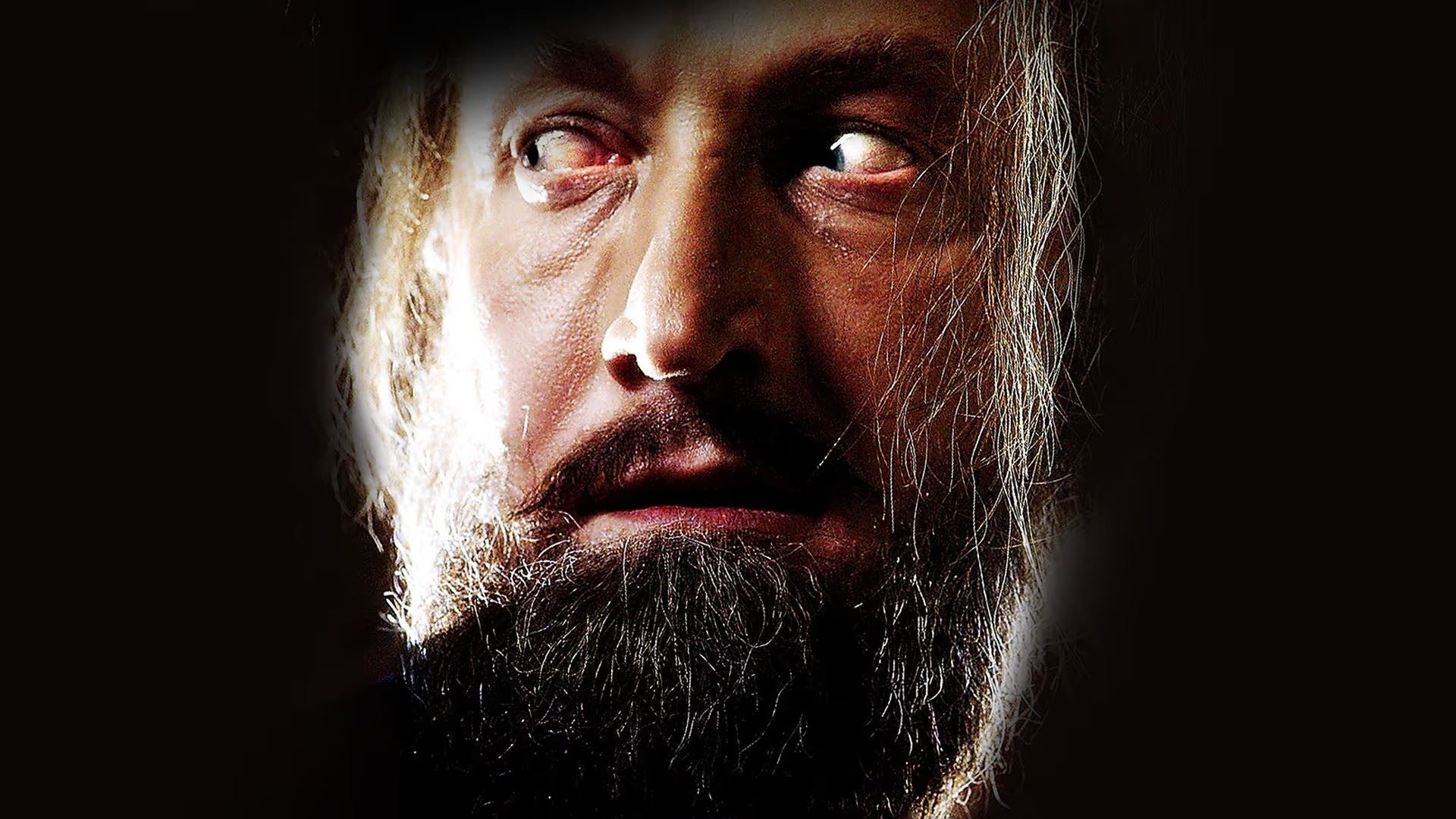
This 2014 historical film presents a reflective and intimate portrayal of Ivan IV of Russia, focusing less on spectacle and more on the inner world of a ruler shaped by violence, faith, and fear. The story traces Ivan’s life from his troubled youth to his rise as the first Tsar of All Russia, emphasizing how early trauma and political isolation influence his character. Raised in a court dominated by ruthless nobles, Ivan grows up witnessing betrayal, humiliation, and cruelty. These experiences instill in him a deep distrust of the aristocracy and a conviction that only absolute authority can prevent chaos. When he ascends the throne, Ivan initially appears as a thoughtful and determined leader, committed to strengthening the state and imposing unity on a divided land. As his reign progresses, the pressures of constant war, political conspiracies, and religious obsession begin to erode his sense of balance. The death of his wife becomes a turning point, intensifying his paranoia and pushing him toward increasingly harsh measures. Ivan establishes a personal system of power to eliminate enemies, blurring the line between justice and vengeance. The film closely examines Ivan’s psychological struggle: a man who believes himself chosen by God yet haunted by guilt and doubt. His moments of prayer and reflection contrast sharply with acts of cruelty, revealing a ruler trapped by his own authority. Rather than depicting Ivan solely as a tyrant, the film presents him as a tragic figure—an intelligent but damaged leader whose fear of betrayal ultimately transforms his vision of order into a reign of terror, leaving both Russia and Ivan himself permanently scarred.





Erik Schäffler
Self - NarratorAxel Petermann
Self - CriminologistHeidi Kastner
Self - Criminal PsychiatristAndreas Kappeler
Self - HistorianMaureen Perrie
Self - HistorianVladimir Jarish
Self - Birch Bark CraftsmanSergey Troyanov
Self - ArchaeologistAnton Uspenskiy
Tsar Ivan IVPeter Moers
DirectorPeter Moers
Writer
One Day in September
The Fog of War
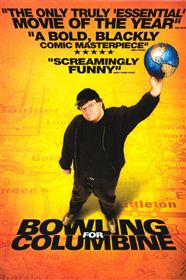
Bowling for Columbine
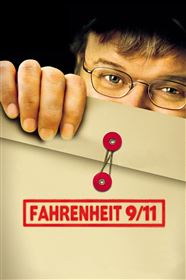
Fahrenheit 9/11
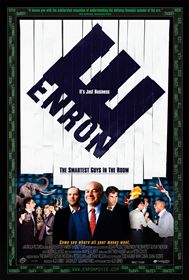
Enron: The Smartest Guys in the Room

Sicko
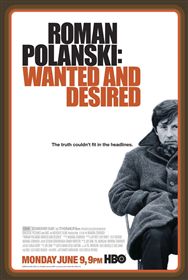
Roman Polanski: Wanted and Desired
Capitalism: A Love Story
Armadillo
Inside Job
Restrepo
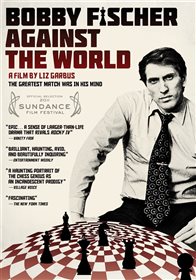
Bobby Fischer Against The World

The Act of Killing
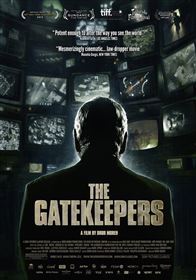
The Gatekeepers
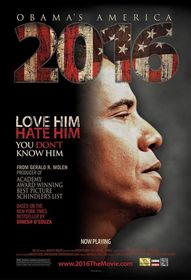
2016: Obama's America
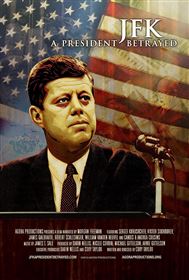
JFK: A President Betrayed
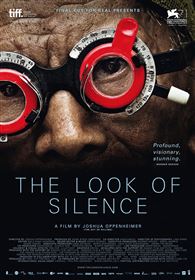
The Look of Silence

Citizenfour
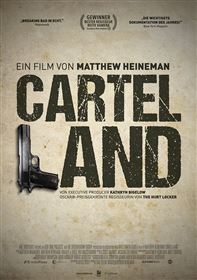
Cartel Land
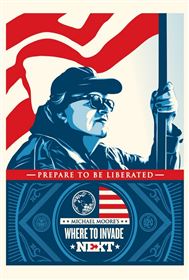
Where to Invade Next?


